

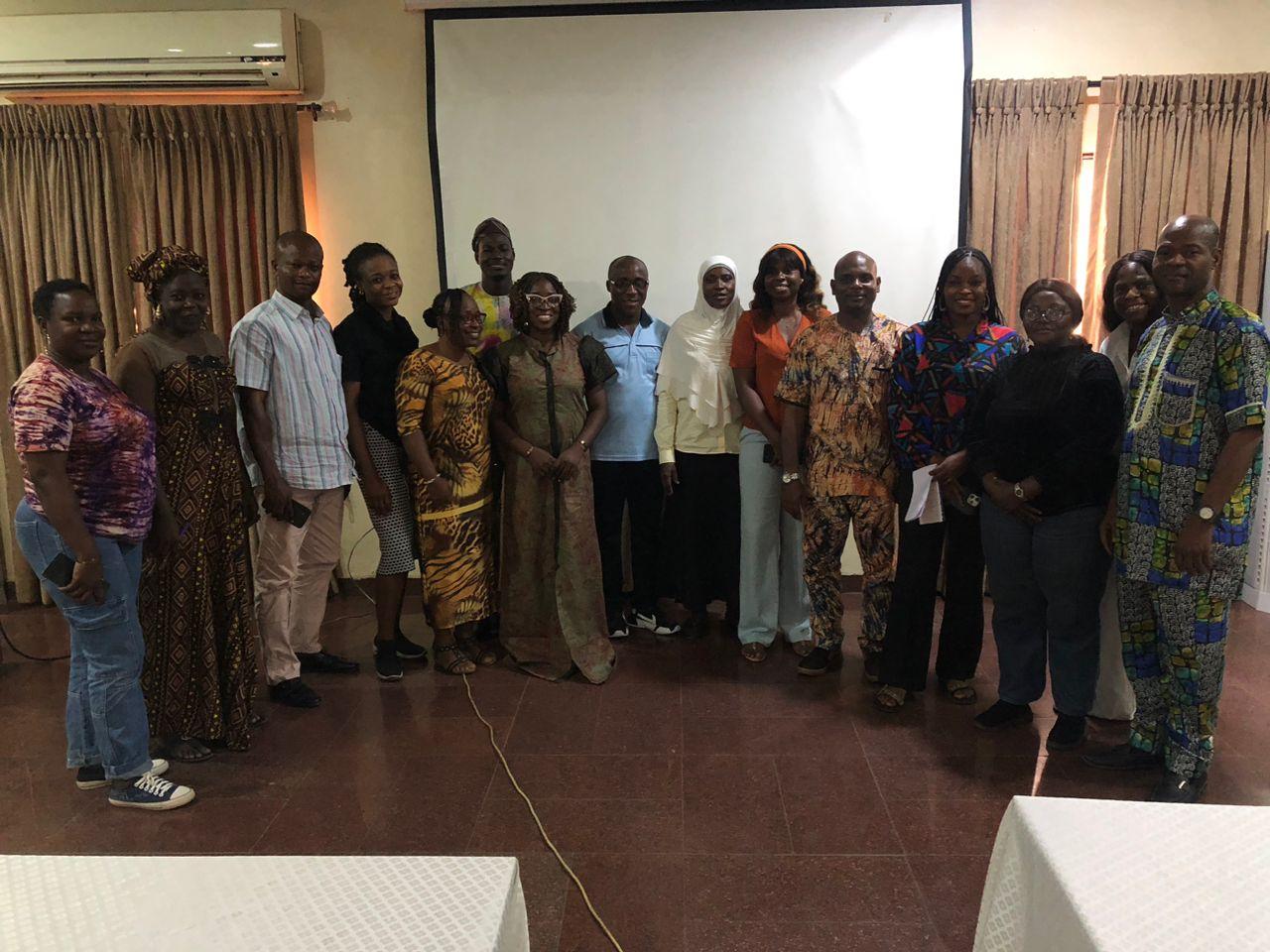
Journalists across Nigeria are being trained on rights-based reporting for safe termination of pregnancy, aiming to ensure accurate, ethical, and stigma-free coverage of sensitive reproductive health issues.
The training, which was organized by Lawyers Alert, a Non-Governmental Organization, emphasizes that media coverage of abortion and pregnancy-related court cases can either protect human rights or reinforce stigma, fear, and misinformation.
Speaking at the training Mrs Wemimo Adewuni, a renowned journalist, said misreporting has in the past led to harassment, misunderstanding of laws, and secondary victimization of women.
Rights-based reporting frames news around international human rights standards.
Instead of merely recounting events, it highlights rights violations, accountability, and dignity.
Wemimo, however, advised that journalists should recognize individuals as rights holders, not objects of pity or blame, and they should avoid dehumanizing or criminalizing language, highlighting who has legal responsibility in sensitive cases.
Speaking about the legal ethics Barr Bamidele Jacob opined that Nigerian law on abortion is largely illegal unless necessary to save the mother’s life, based on colonial-era legislation.
However, international protocols, such as the Maputo Protocol, recognize access to safe abortion as a human right under specific circumstances, including risks to a mother’s physical or mental health, sexual assault, or incest.
The training also addresses myths about safe abortion, highlighting that early procedures are safe, do not affect fertility, and are sought by women of all ages and marital status not just young girls.
He reminds journalists of their role as watchdogs over the justice system, educators on the law, and protectors of vulnerable people.
They were also advised to handle sensitive cases ethically by avoiding full names, addresses, workplaces, or identifiable details. Refraining from stigmatizing language such as “baby killer” or “loose woman.”
Presenting legal facts without inserting moral judgments.
Peer networks and collaboration with Civil Society Organizations (CSOs) were encouraged to ensure consistent and informed coverage.
CSOs serve as expert sources, while editorial independence and journalistic ethics remain central.
Experts say responsible reporting not only protects the dignity of women but also strengthens public understanding of reproductive health, reduces stigma, and promotes accountability among authorities.



Leave a Reply