

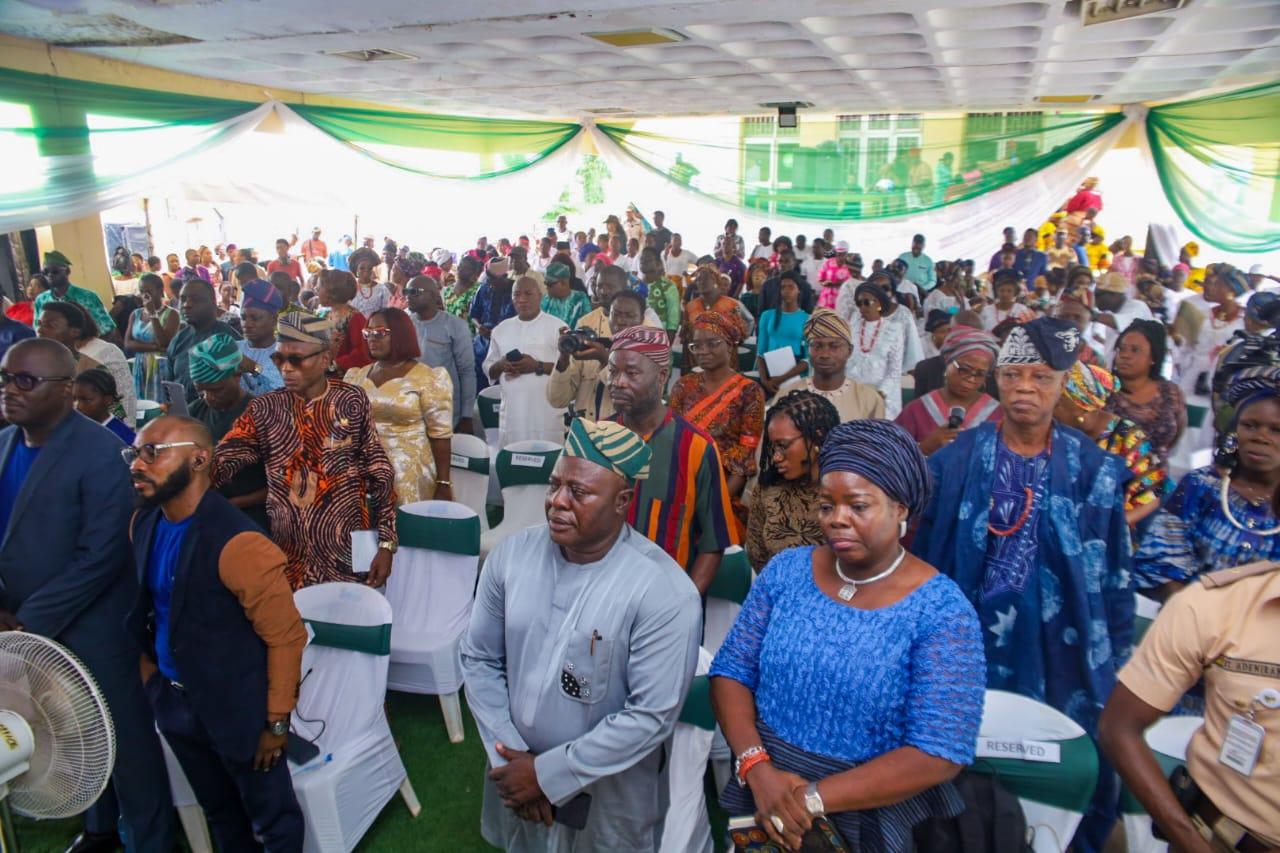
The atmosphere was festive, colourful and deeply reflective as the National. Museum of Unity, Ibadan, marked its 50th anniversary alongside the 2026 International Museum Day celebration at Aleshilonye, Ibadan, on June 4, 2026.
The event, a milestone not just in the history of the museum but also that of the country, since it’s the first National Museum of Unity, drew cultural enthusiasts, traditional leaders, government officials, scholars, museum professionals, journalists, and members of the public to one of Nigeria’s foremost heritage institutions.
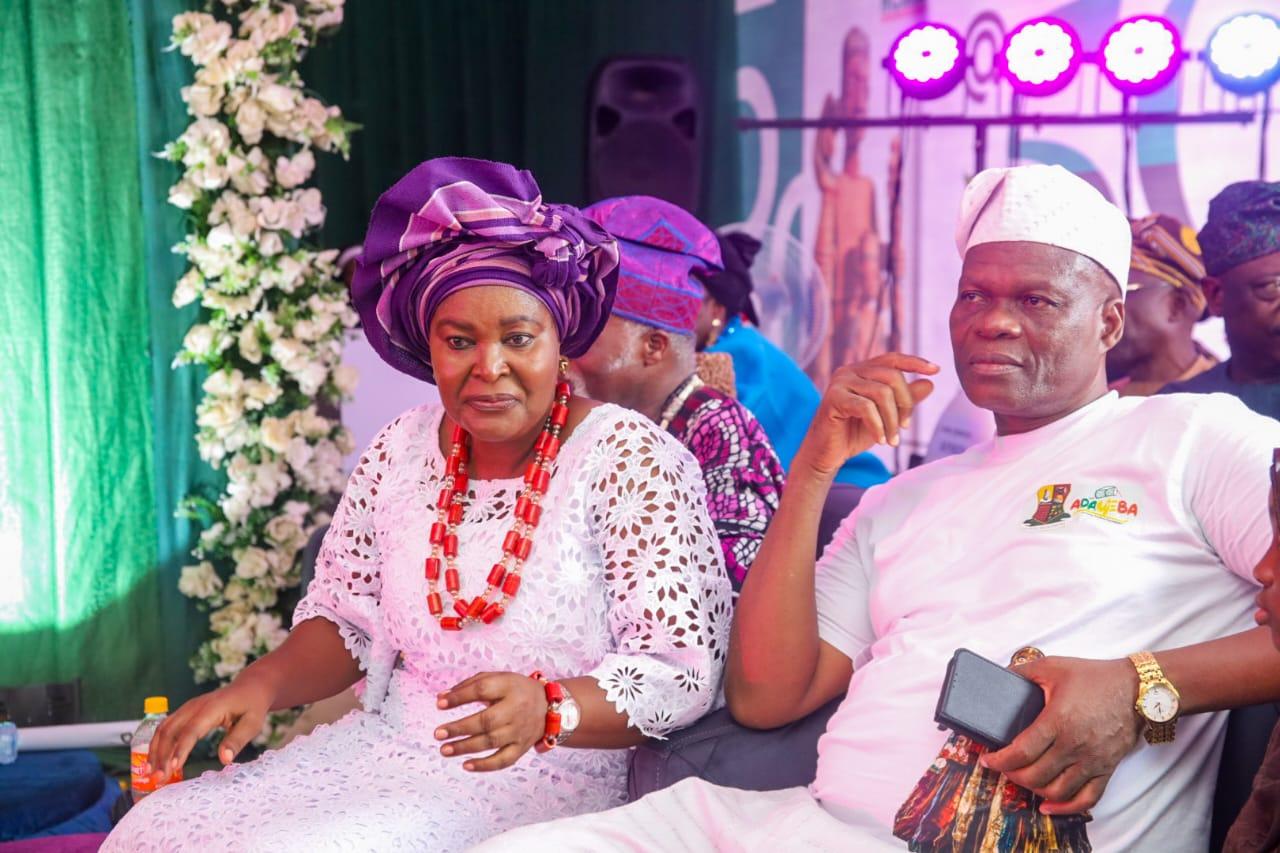
For an institution established in the aftermath of Nigeria’s civil war as a symbol of national integration and cultural understanding, the golden jubilee was more than a celebration of longevity. It was a reaffirmation of the museum’s enduring mission of preserving the nation’s diverse cultural heritage while fostering unity among its peoples.
It was, indeed, not just a cultural fiesta but a celebration of culture. Against a backdrop of vibrant cultural displays, traditional music, dance performances, and exhibitions, the event echoed the global theme of this year’s International Museum Day: “Museums: Uniting a Divided World”.
For five decades, the National Museum of Unity, Ibadan has served as a repository of Nigeria’s rich cultural heritage, preserving priceless artefacts, historical objects, traditional crafts, and cultural narratives from across the country’s diverse ethnic groups.
The museum occupies a unique place in Nigeria’s cultural landscape. Beyond safeguarding history, it has become a centre for education, cultural dialogue and tourism, welcoming students, researchers, diplomats, artists and visitors from around the world.
Over the years, the institution has expanded its role through exhibitions, cultural festivals, educational programmes, and collaborations with universities, cultural organisations, and international partners, reinforcing its relevance in an increasingly interconnected world.
Delivering the keynote address on behalf of the Director-General of the National Commission for Museums and Monuments (NCMM), Mr. Olugbile Holloway, the South-West Zonal Director and Curator of the museum, Mrs. Oriyomi Pamela Otuka, described the museum’s journey over the past fifty years as a remarkable testament to dedication, resilience, and service.
Speaking on the significance of the theme of the International Museum Day, Holloway stressed that museums have become more important than ever in a world grappling with conflicts, social divisions, and cultural dislocation.
According to him, the International Council of Museums (ICOM) deliberately chose the theme to draw global attention to the role museums can play in promoting peace and mutual understanding.
“Through museum collections, archival materials, monuments, historical artefacts and cultural narratives, people can gain a deeper appreciation of their shared humanity and collective responsibility toward peaceful coexistence, “he said.
Holloway noted that museums possess unique resources capable of encouraging dialogue, reconciliation, and understanding among communities.
He called on governments, private organisations, civil society groups and individuals to partner with the NCMM in using cultural heritage as a tool for national integration and social cohesion.
The NCMM Director-General also highlighted ongoing efforts to modernise Nigeria’s museum ecosystem. Among the notable achievements are the launch of Nigeria’s first digital museum and the upgrading of exhibition facilities in Lagos to international standards through support from IHS Towers. The commission has also embarked on several heritage conservation initiatives, restoration projects, and collaborations aimed at making museums more accessible and attractive to younger generations.
These reforms form part of a broader effort by the NCMM under Holloway’s leadership to reposition museums as dynamic centres of learning, creativity, tourism, and cultural diplomacy.
The commission has also been actively involved in the repatriation of stolen cultural artefacts and strengthening partnerships designed to preserve Nigeria’s historical treasures for future generations.
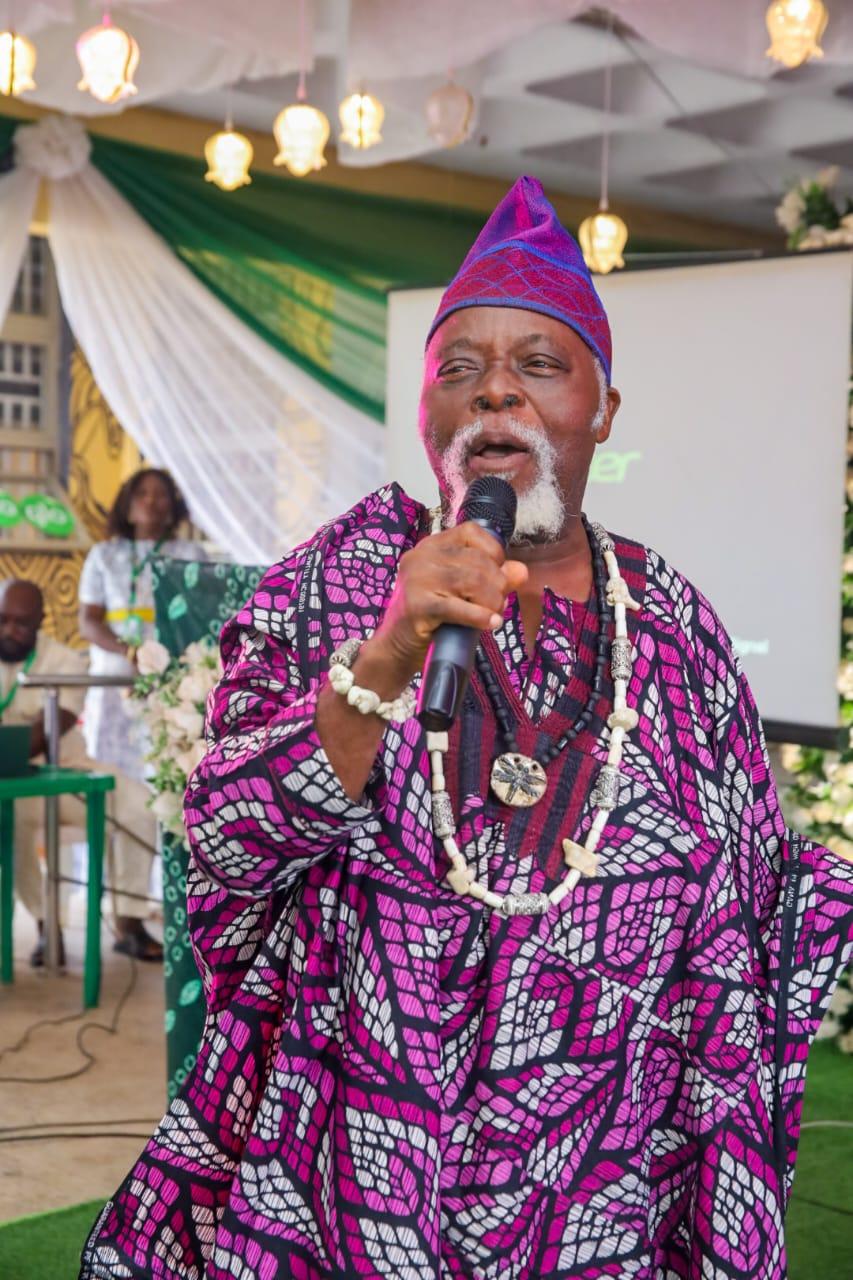
Guest lecturer and renowned cultural icon, Prince Tunde Odunlade, underscored the importance of museums as custodians of history and collective memory.
While acknowledging the presence of several important museums across Nigeria, he singled out the National Museum of Unity, Ibadan, for special commendation.
“What makes the museum in Ibadan unique is that it is functional and continues to provide valuable education and cultural enlightenment to the people,” he said.
Odunlade praised Mrs. Otuka for transforming the museum into a vibrant institution that remains actively engaged with the public through educational and cultural programmes.
His remarks resonated with many attendees who acknowledged the museum’s growing visibility and increasing relevance within Nigeria’s cultural and tourism sectors.
One of the recurring themes throughout the celebration was the recognition of the contributions of the museum’s curator, Mrs. Oriyomi Pamela Otuka.
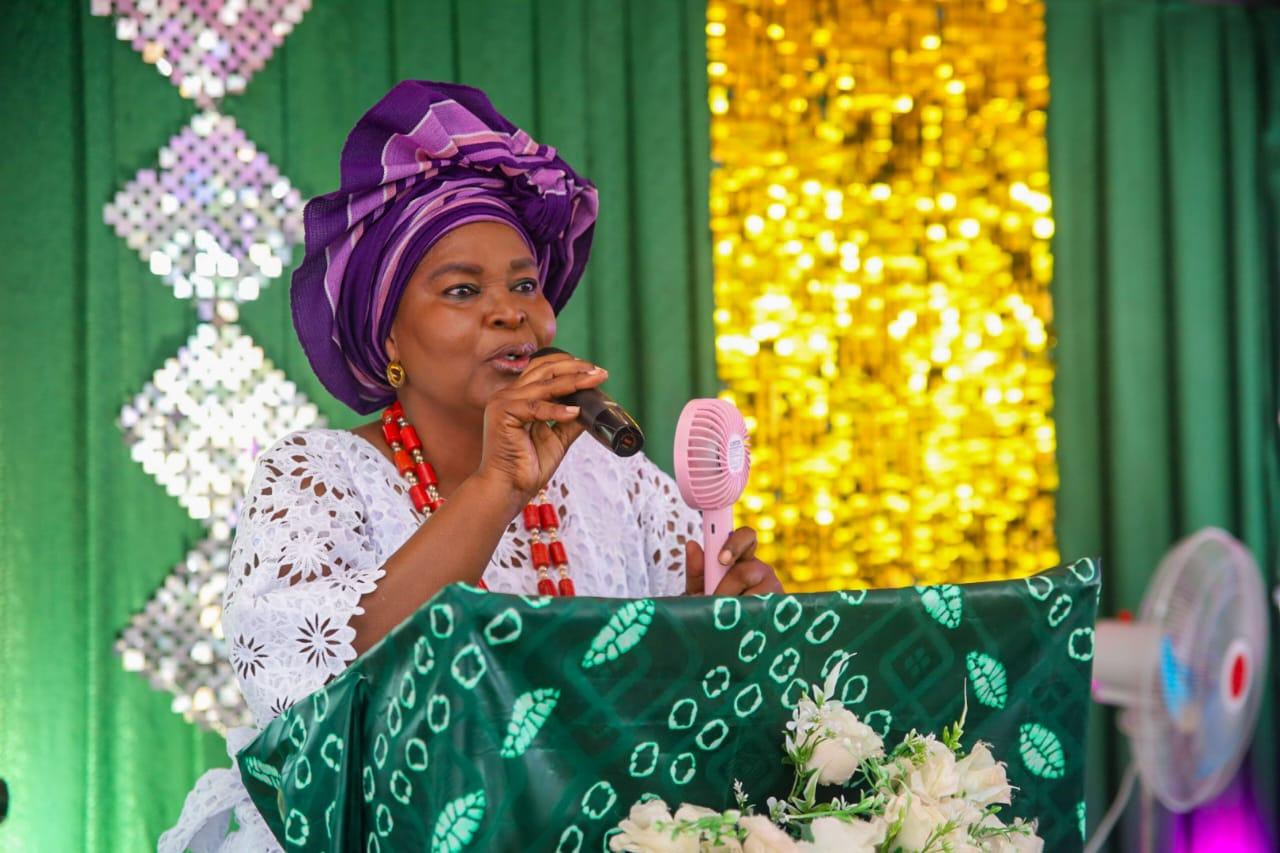
Over the years, she has been widely acknowledged for promoting cultural awareness, strengthening partnerships, and expanding the museum’s educational outreach programmes.
The Oyo State Commissioner for Culture and Tourism, Dr. Wasiu Olatunbosun, was particularly generous in his commendation.
Describing the museum’s 50th anniversary as a landmark achievement, he praised Mrs. Oriyomi’s innovation, commitment, and leadership.
According to him, her efforts have significantly enhanced the institution’s profile and contributed to the growth of cultural tourism in Oyo State.
The Commissioner expressed confidence that future administrations would build on the solid foundation already laid and continue to elevate the museum’s status nationally and internationally.
He also commended members of staff for their dedication and teamwork, which have contributed immensely to the institution’s success.
International Museum Ambassador, Amb. Rahmat Romoke Ayinde, reminded participants that museums are far more than buildings that house old objects.
She described them as guardians of collective memory, centres of education and innovation, and institutions that inspire future generations.
“Museums preserve our stories, our identities, and our shared experiences. They connect the past with the present and help shape the future,” she said.
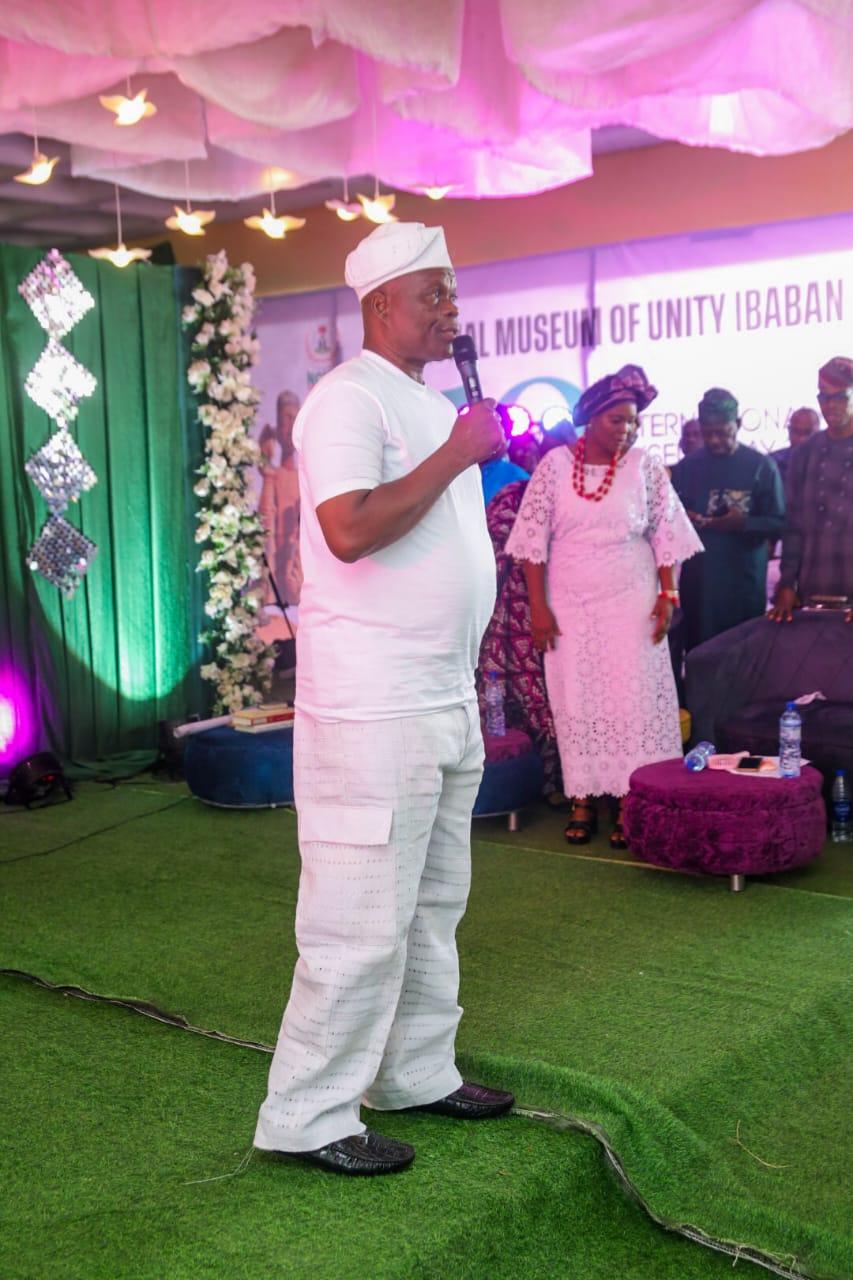
Ayinde commended museum professionals, researchers, historians, curators and volunteers whose efforts ensure that cultural heritage remains alive and accessible.
She urged governments, communities and institutions to continue supporting heritage preservation initiatives.
Also speaking at the event, Islamic cleric Alhaji Mudashiru Bada encouraged Nigerians to embrace their cultural heritage while maintaining religious harmony.
His remarks reflected one of the key messages that ran through the celebration: that culture and heritage remain powerful instruments for strengthening social bonds and promoting national unity.
Speaking on behalf of Prince Yemisi Shyllon, the Chairman of the occasion, who was unavoidably absent, Dr. Peacemaker Efeoghene said the largest private art collector in Africa, with over 7,000 artworks he has been collecting since the age of 19, sent his greetings. “A philanthropist and art lover, Shyllon has invested billions of naira collecting artworks and has never sold any of them,” he noted.
Peacemaker also celebrated the museum and everyone who made it happen. He particularly expressed appreciation to the Curator, Mrs. Oriyomi Pamela Otuka, and the Oyo State Commissioner for Culture and Tourism, Dr. Wasiu Olatunbosun.
At a time when globalisation and rapid technological change continue to reshape societies, speakers agreed that preserving cultural identity has become more important than ever.
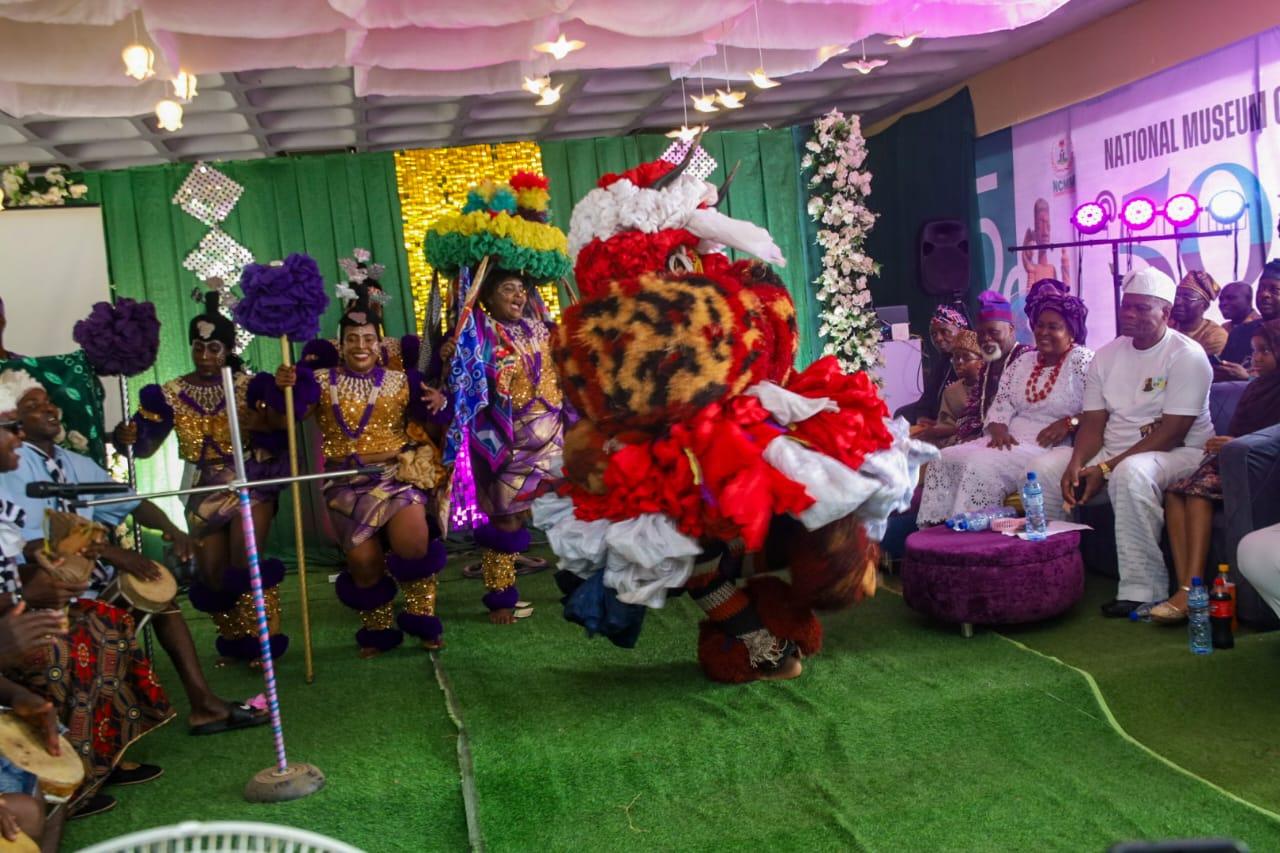
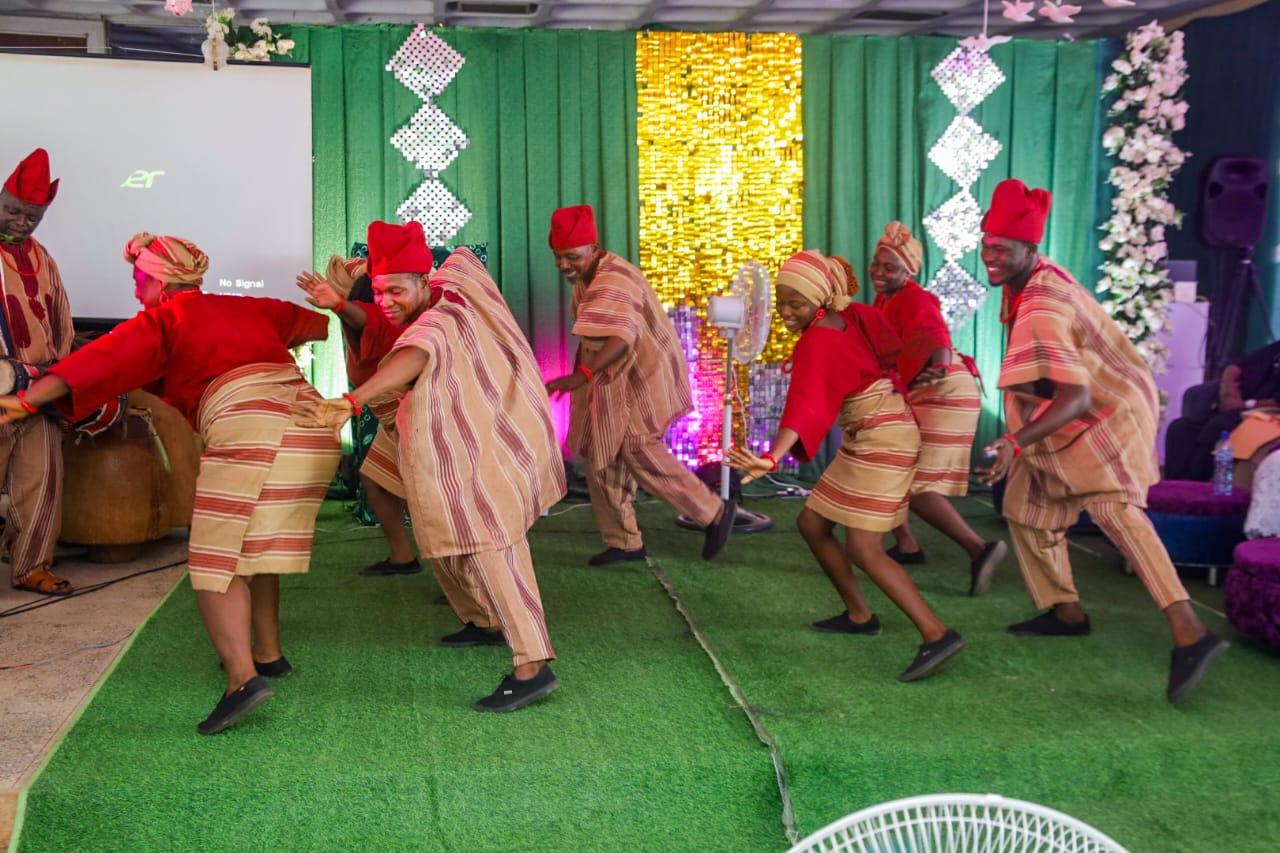
The event reached its climax with electrifying performances by the Asantiwa Cultural Group, the Ekpe dancers, and the Oyo State Performing Troupe.
The performers thrilled guests with energetic dances, traditional drumming, and dramatic presentations that showcased the richness and diversity of Nigerian culture.
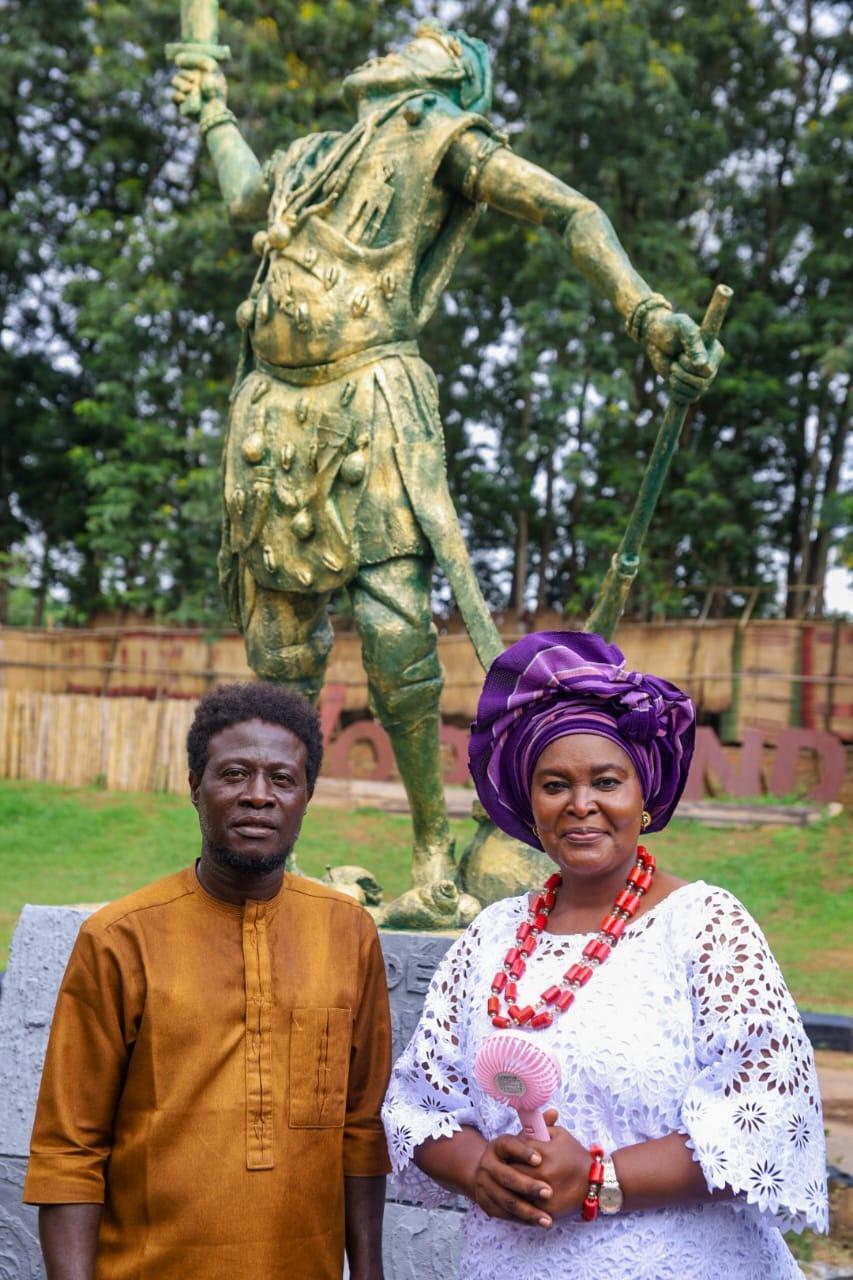
Still, the high point of the event, which signaled the end of the colourful, festive event, was the unveiling of Iba Oluyole, a monumental sculpture done by acclaimed Nigerian sculptor Wale Asubiojo. The unveiling ceremony was performed by Dr. Tirimisiyu Oladeji, who represented the Director-General of the National Commission for Museums and Monuments, Mr. Olugbile Holloway.
The sculpture served as a reminder that history remains a living force. Oluyole was one of the most influential figures in Ibadan’s history, whose leadership and military prowess helped shape the city’s emergence as a major power in Yorubaland.
For many attendees, the performances served as a vivid reminder of the living traditions that museums strive to preserve.As guests mingled, exchanged ideas, and reflected on the significance of the occasion, one message stood out clearly: museums remain indispensable institutions for preserving heritage, educating society and building bridges across cultural, religious, and ethnic divides.
Fifty years after its establishment, the National Museum of Unity, Ibadan, continues to live up to its name—serving as a powerful symbol of unity, cultural pride, and national identity.
Its golden jubilee celebration was not merely a commemoration of the past. It was a declaration of faith in the future, and in the enduring power of culture to unite a diverse nation.Among dignitaries present were Chief Yemi Folajoye, former President of the Central Council of Ibadan Indigenes (CCII); Oloye Lekan Alabi; Mrs. Oyeronke Afolayan; Mrs. Adekunle Adetutu; Lukman Fasasi, Oyo State Peace Commandant; Mrs. Amba Sijuade; Mr. Fatai Alli; and Dr. Kola Lawal, among others.
Leave a Reply