

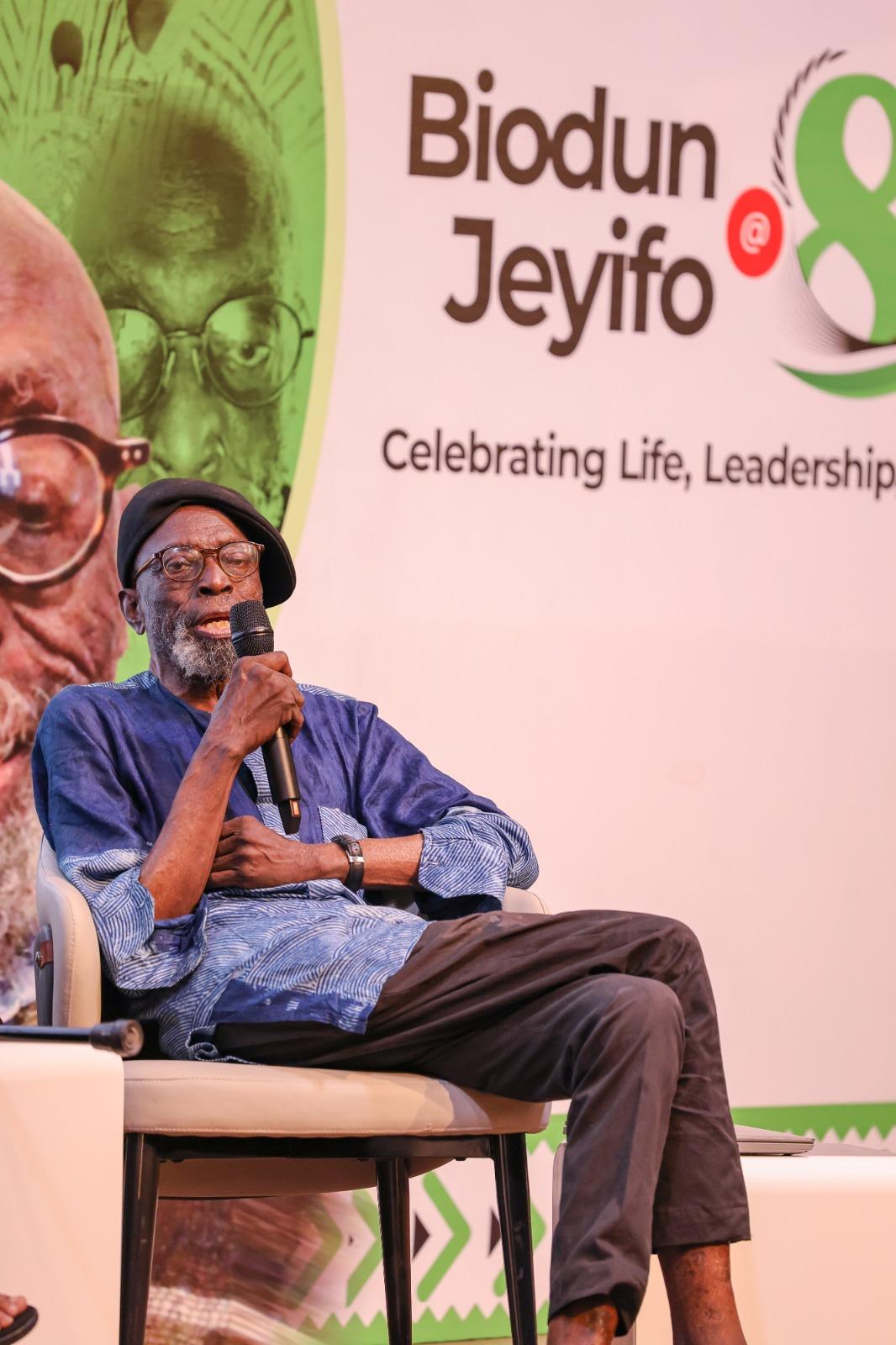
By Nehru Odeh
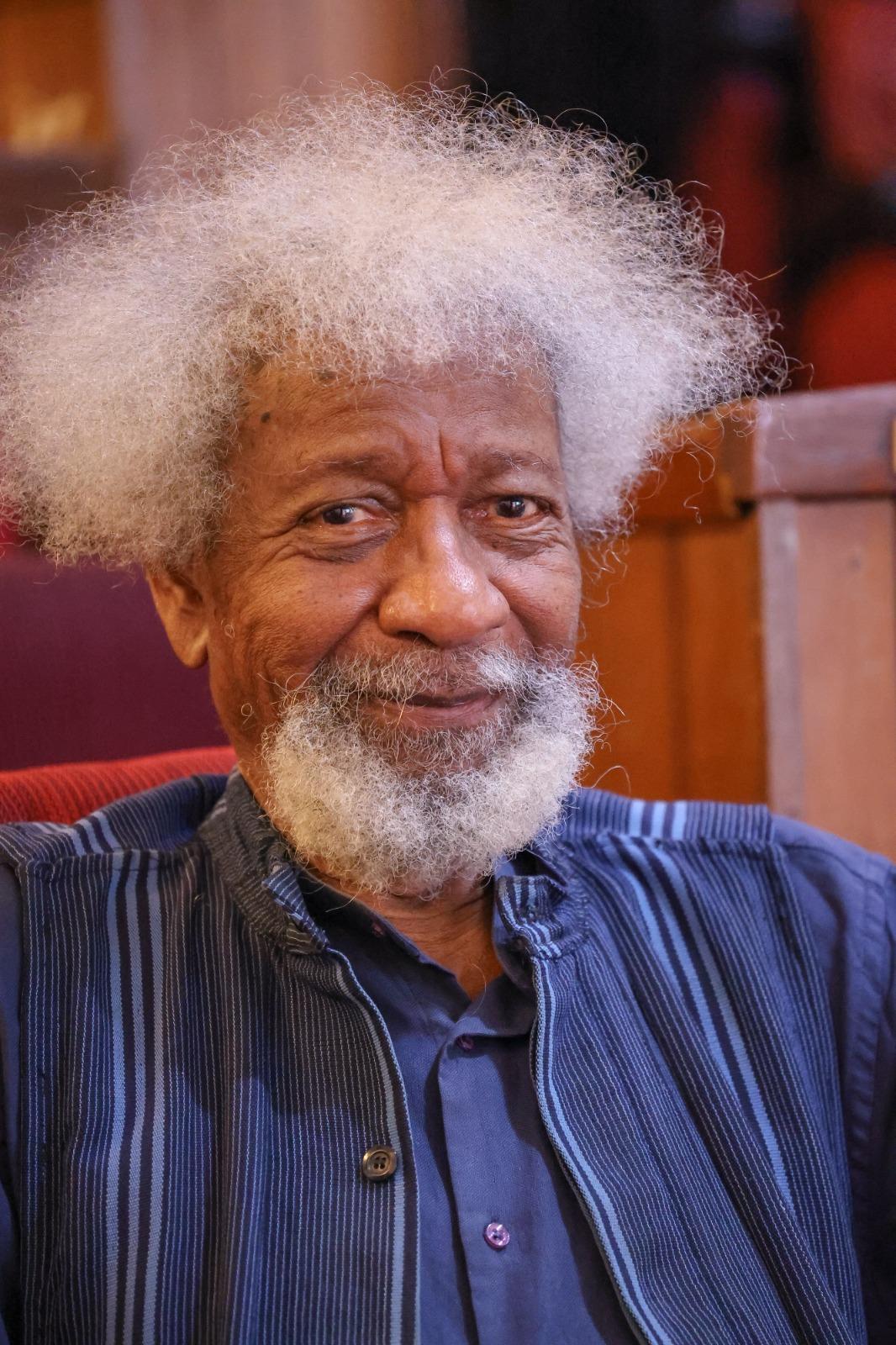
Professor Biodun Jeyifo, renowned scholar, literary critic, public intellectual, Marxist and committed trade unionist, has criticised the manner successive governments and political leaders in Nigeria promote restructuring as the panacea to Nigeria’s huge political and economic problems, saying that it won’t take Nigeria anywhere, and that what the nation needs is redistribution of wealth, not just restructuring.
“What is superficially called restructuring in my own preferred Marxist term is redistribution. Restructuring does not talk about redistribution. They never talk about redistribution of wealth. You can restructure administratively on paper but not redistribute wealth. So we must change that slogan. It’s not restructuring. You can restructure and still redistribute wealth,” Jeyifo maintained, quoting William Shakespeare saying in “King Lear”, “Redistribution should undo excess and each man have enough.
Jeyifo made this remark while speaking at a symposium organized to mark his 80th birthday by the Wole Soyinka Centre for Investigative Journalism which held at MUSON Centre, Onikan, Lagos on December 5.
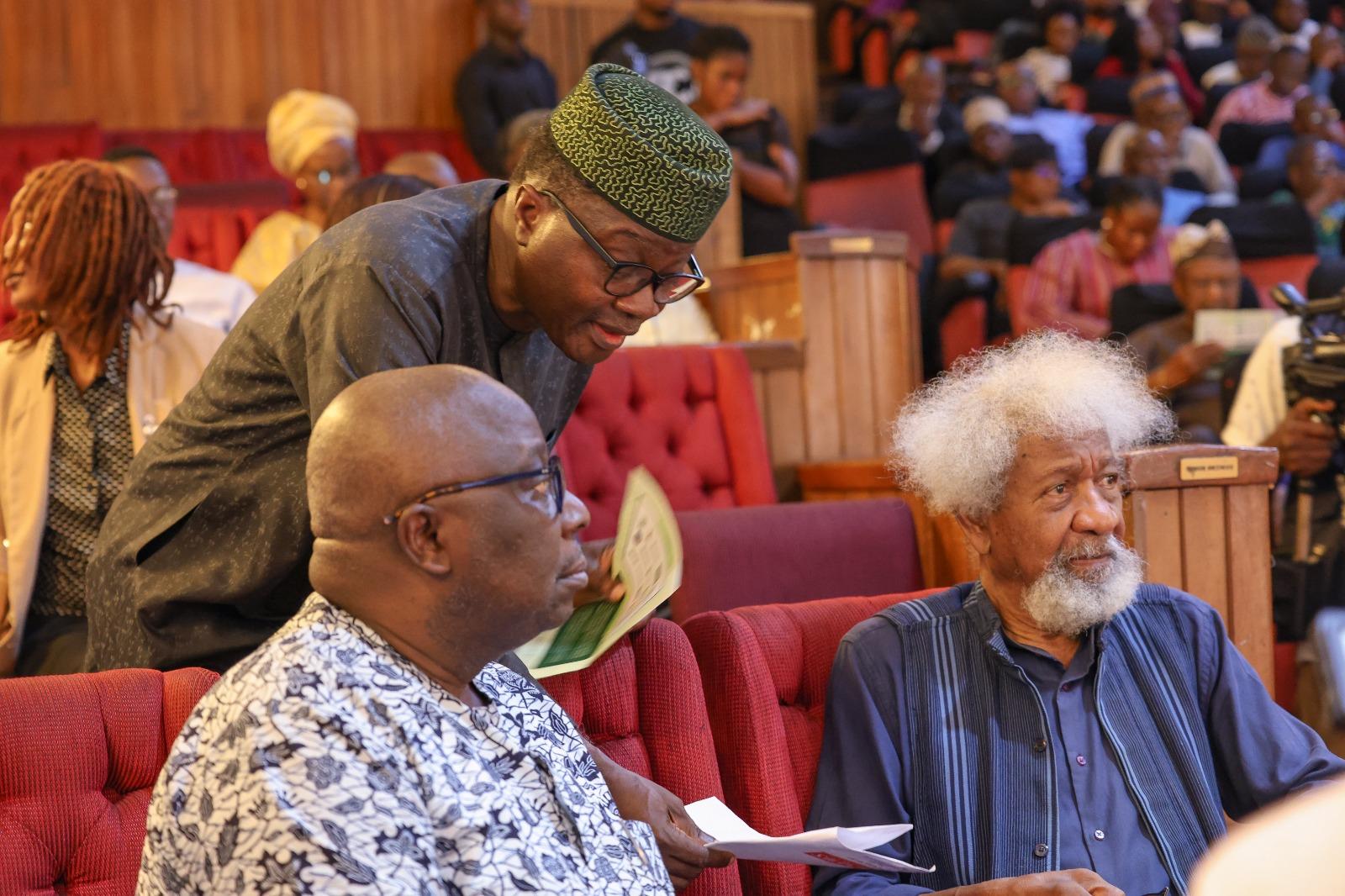
The theme of the symposium in which scholars, former students, and activists reflected on his life as well as intellectual and political legacy was “Pedagogy, Curriculum and Decolonization: Then and Now.” Nobel Laureate Professor Wole Soyinka was at the event .
The literary scholar lambasted the tendency of Nigeria leaders to pay lip service to restructuring adding that they are just scratching the surface as restructuring is mere administrative reform that cannot make for any meaningful change where there are clear signs of inequality.
“Restructuring without redistribution changes nothing,” he said, arguing that administrative reorganisation, without addressing how wealth and resources are shared, merely reproduces colonial-era injustices under new political arrangements.
The highly respected scholar, however backed up his statement by referencing two sets of reversed statistics which showed that Nigeria has made no progress in terms of life expectancy and poverty reduction over the years, saying that he was lucky to make it to 80, as most of his generation are gone.
According to him, while there is a slow growth in life expectancy over the years in Nigeria, the poverty level has increased tremendously.
“In 1975, which is the year I returned to the country after my postgraduate studies in the United States, the statistics for life expectancy in Nigeria was roughly 45 per cent. Now, 20 years later, it grew by only 10 percent to 54. Can you imagine it means my generation is gone, ” Jeyifo noted.
Jeyifo also went personal, saying out of seven siblings in his family only two of them survived, which is a sad commentary on the crisis in the nation’s healthcare delivery system, education and other areas, adding that there is a deep anguish and sadness in his life as a result of the losses his family has suffered.
“I’m very lucky to make it to 80. So there is a deep, deep anguish and sadness in my life. Because I cannot begin to rehearse names of people I loved and who loved me in primary school, in secondary school and at the university. Some of them so long but the mind is curious for memory and recall. It is as if they just went a week ago. I still see them. I miss them,” he said
Jeyifo then referenced the increase in the level of poverty in Nigeria which, according to him, is a stack contrast to the slow growth of life expectancy.
“The poverty statistic in Nigeria in1975 was about 47 per cent of the population. Now, it is about 62 per cent. So it’s a reversal of the other statistic,” Jeyifo lamented, adding that majority of those in that category are young people.
Jeyifo, who expressed gratitude to his former students and colleagues for the celebration, however used the opportunity to say that though he was the celebrant, he was not the only celebrant. “I was extremely lucky that I belong to a generation of intellectuals and human beings,” Jeyifo said.
“I have been deeply moved by all the sessions that went before this testimonial from me. I have been deeply touched by all the different comments. But actually I have been so lucky in the students I had. In many cases they became like my younger brothers and sisters. The places I feel the safest, the most welcomed, the most cherished are with my former students. And I was also given love and respect. And I thank you, “Jeyifo concluded.
Delivering the keynote address at the symposium, Priyamvada Gopal, a professor of Postcolonial Studies at the University of Cambridge, called for a renewed and expansive understanding of decolonization as she situated it with the crises in the Global South and the ongoing genocide in Palestine.
She argued that the project remains unfinished decades after political independence across Africa and Asia, as after various countries attained independence other hydra-headed monsters such as unbridled nationalism, ethnicity, religion, racism reared their ugly heads.
According to her, the political elites who took over from the colonizers were mere replacements who were doing the bidding of their erstwhile colonial masters, and were not in anyway different from them. So, according to her though there was decolonization, it was shortlived as it has been arrested.
“The situation of arrested decolonization, however, remains not only largely unchanged but is also the common condition across the Global South. For nowhere in the world has decolonization come to fruition: instead, it is a process that was initiated but then diverted, hijacked, or twisted into something else entirely,” Gopal stated.
Gopal said decolonization should not be reduced to the attainment of national sovereignty but understood as a broader struggle involving economic justice, social transformation and resistance to new forms of domination.
Drawing on the legacy of 1955 Bandung Conference and the 1956 Congress of Black Writers and Artists in Paris, she said early anti-colonial thinkers such as Frantz Fanon and Aimé Césaire viewed independence as a beginning rather than an endpoint.
According to her, the failure to dismantle inherited colonial economic and political structures has led to what she described as an “arrested decolonization” in many postcolonial societies.
She argued that post-independence elites in several former colonies preserved colonial institutions, including security and legal systems, often deploying them in authoritarian ways under the banner of nationalism.
Gopal warned that nationalism, while central to anti-colonial struggles, has in some contexts facilitated ethnic and religious majoritarianism rather than genuine liberation. She also criticized what she described as the dilution of decolonization in contemporary academic and policy debates, cautioning against its use as a rhetorical slogan divorced from material realities such as inequality, dispossession and environmental degradation.
Gopal also stated unequivocally where she disagrees with Prof. Femi Taiwo’s reservations about decolonization. She stated that while she is sympathetic to the exasperation that drives Taiwo’s recent book, “Against Decolonization, that there is a clear danger of decolonization turning into a facile catchall and an alibi for perpetual victimhood, she insists that she is for decolonization.
“After five consequential world-altering centuries, it is not a project we can turn our back on, not yet. My current project, a book provisionally entitled ‘Decolonization: Life and Times of an Idea’ argues that decolonization in its most expansive sense remains an important and relevant concept for our burning planet and genocidal international political order, connected to many contemporary struggles around race, ecology, economics, land, governance, co-existence and self-determination.”
“This last is a point of disagreement between me and Professor Taiwo who rejects ‘the demand that the world must be remade entirely.’ The world as it is currently constituted is inhospitable for the majority of its denizens, many of whom still remain without adequate nutrition, shelter, education and healthcare in ways that are absolutely connected to the dynamic of extraction and wealth concentration. The world under fossil capitalism is also about to annihilate itself,” Gopal said.
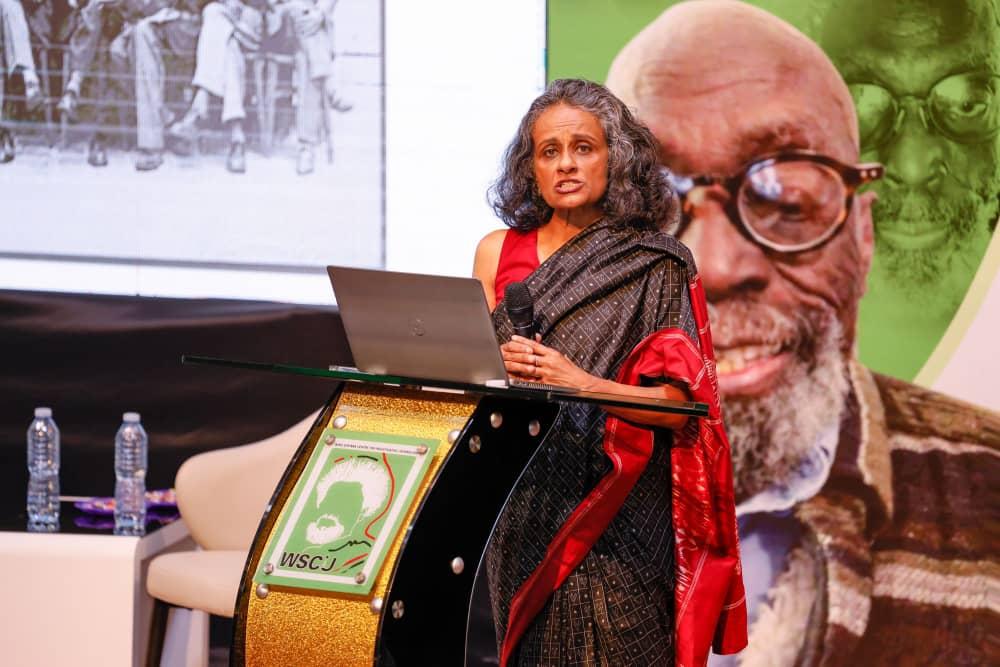
Addressing global politics, Gopal said the situation in Palestine showed that colonial practices persist in the modern world, describing Israel’s actions in Gaza as settler-colonial violence reaching what she called “a genocidal conjuncture.” She questioned the limited response of countries in the Global South, including emerging economic blocs such as BRICS, to what she described as ongoing colonial violence.
“By the most conservative estimates, tens of thousands of non-combatant Palestinians from Gaza have perished, while many hundreds of thousands more are unhoused. The urban area of the strip has been flattened into hundreds of tons of rubble. What does this mean for our contemporary engagements with decolonization beyond demanding independent and sovereign status for the state of Palestine?” Gopal asked.
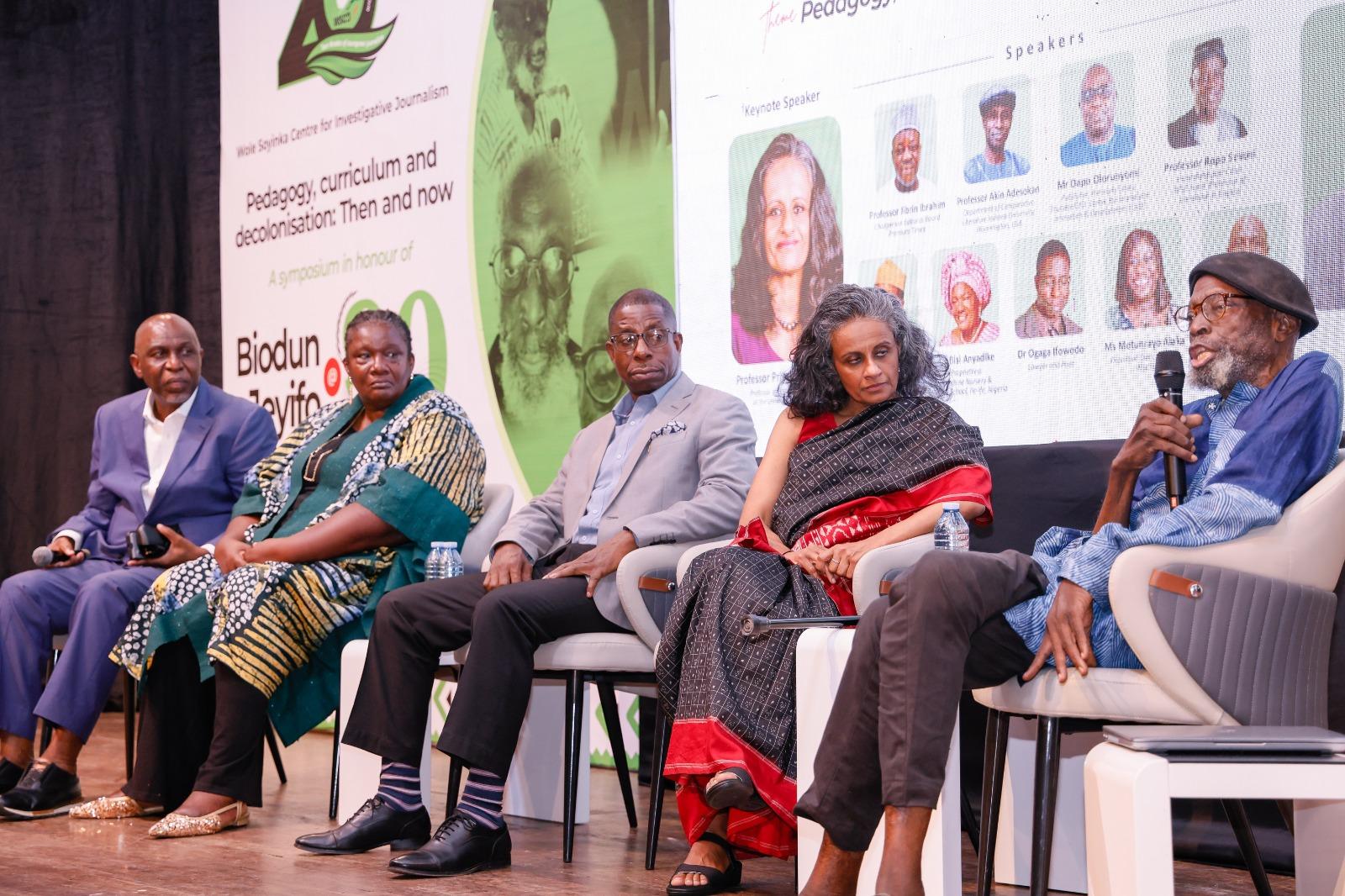
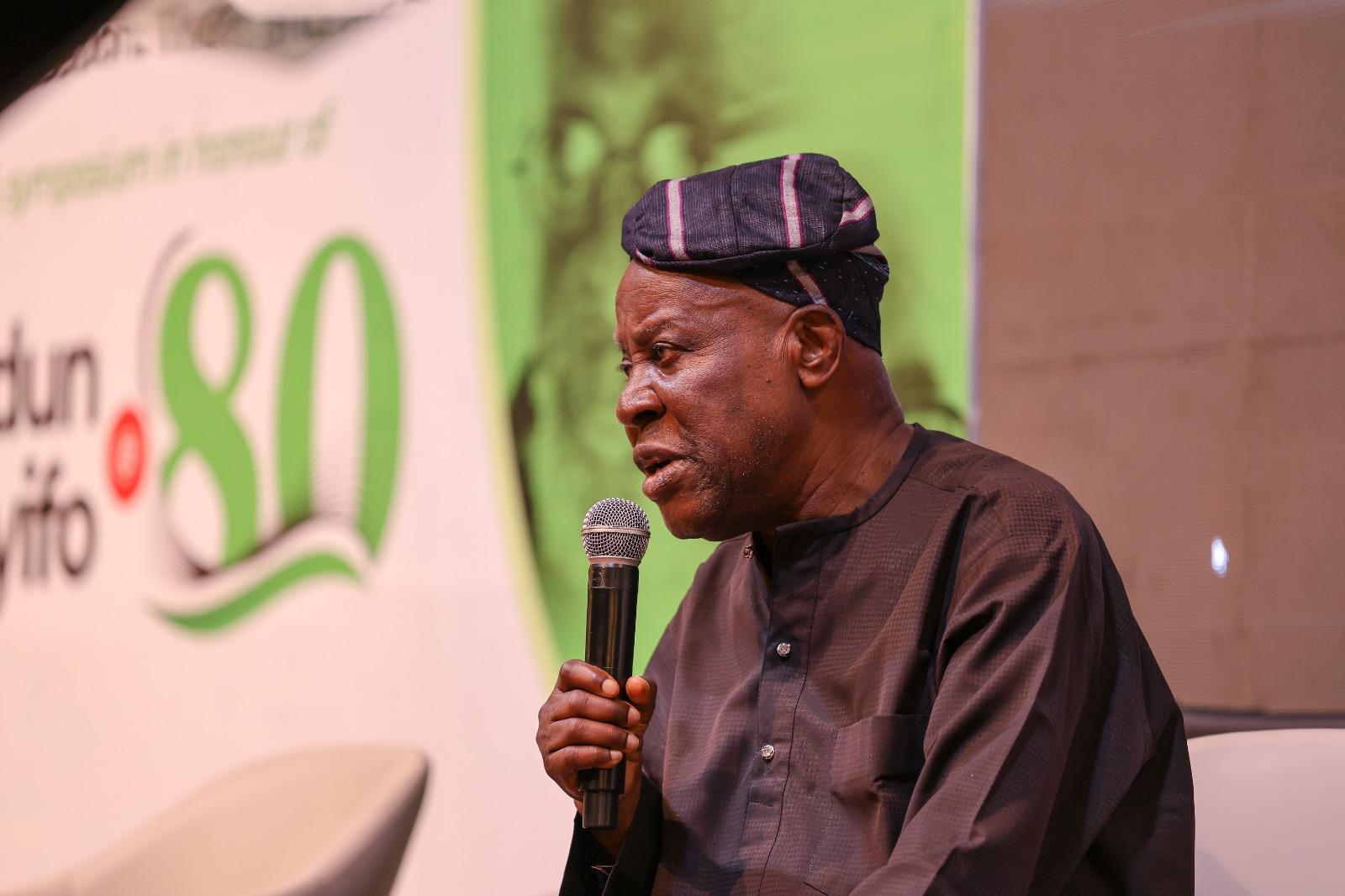
Following Gopal’s lecture, a panel session was held in response to her address, moderated by Professor Ropo Sekoni. The panelists, who joined virtually, were Prof Jibrin Ibrahim, Prof Akin Adesokan, and Dr Femi Folorunsho.

In his opening remarks, Sekoni said decolonization must be “qualitatively different from colonialism,” warning that it could not simply involve replacing colonial rulers while retaining the same extractive structures. Referencing the work of Aimé Césaire, he described decolonization as a project of imagination, asking what kind of world is being prepared for future generations. He said literature and culture remain critical spaces for articulating alternative futures beyond colonial and postcolonial orthodoxies.
Other panellists linked Jeyifo’s scholarship to ongoing debates on nationalism, capitalism and international solidarity, arguing that many postcolonial states inherited colonial political structures that later became instruments of repression.
They said economic dependence, elite capture of state power and global capitalism had undermined early postcolonial aspirations, calling for a renewal of decolonization as a political and moral project.
Prof Adesokan who said he endorsed Gopal’s stimulating essay started his discourse with an international perspective, as he said that he never expected the former President of Venezuela, Nicolas Maduro to last that long in office. “I have always been apprehensive that the progressive and radical changes under Hugo Chavez might not last,” Adesokan submitted, adding that the violent and US-led overthrow of Maduro was the culmination of a series of aggression both military and diplomatic long began but escalated during the Presidency of George W. Bush with the coup attempt on the government of Chavez in 2004.
Still, Jeyifo’s former students, who were there in numbers to honour him, also spoke during a second panel at the event, as they reminisced about their experiences with their former lecturer, describing his teaching as intellectually demanding and personally transformative. The panellists included Mr Sam Omatseye, Dr Bisi Anyadike, Dr Ogaga Ifowodo, Mr Kunle Ajibade, and Prof Gopal.
They said Jeyifo’s emphasis on close reading, critical thinking and the relationship between literature and social reality left a lasting impact on their academic and personal lives.
Ifowodo said the scholar’s mentorship extended beyond the classroom, recalling how he supported his academic journey, including writing letters of recommendation for further studies.
Anyadike said Jeyifo’s lectures shaped her understanding of African literature and history and influenced her decision to remain in Nigeria, pursue teaching and later establish a school.
“Prof Jeyifo’s influence has had a lasting impact on my life and perspective and it is very important to me that I pay it forward as a teacher. The fact that many of my classmates and other students of his, all over the world have gone on to become influential voices in their respective fields is evidence of his effectiveness as a mentor and educator.
“The ripple effect is exactly what makes his kind of revolution so powerful – it’s a slow-burning fire that spreads quietly, but with profound impact. By empowering individuals to think critically and challenge the status quo, Prof. Jeyifo has helped create a generation of leaders who are equipped to drive meaningful change,” Anyadike said.
Ajibade, for his part, said his first encounter with the renowned scholar at the then University of Ife, now Obafemi Awolowo University, was at a seminar. At the time seminar culture was very vibrant at the university and Jeyifo would encourage everyone to attend.
There was this particular seminar, Ajibade said, where Jeyifo was to deliver a very long paper, about 24 pages long. And when the then Head of Department, Prof Oyin Ogunba asked Jeyifo to start his presentation, to the consternation of everyone, the first thing he did was to bring out his pipe, filled it up with tobacco, and light it.
“BJ went beyond the materialist reading in his teaching,”. Ajibade noted. “He made subtlety, ambiguity and complexity easy to grasp. Bespectacled, intense, hardworking, ebullient, cultured, very driven, the fully bearded BJ in his mid 30s would often turn out on his khaki, adire shirt or jeans trousers with his pipe or Cuban cigars or both in his breast pockets.
Ajibade also said Jeyifo, while lecturing would want to expatiate his points. And he would keep explaining and explaining, opening up frontiers of knowledge, with absolute ease.
“His knowledge, both the depth and the breadth of it, was always on full display in class. Time and Time again, BJ would say ‘let me explain.’ And one explanation would lead to other explanations. One development suggest another as he grappled with seemingly intractable ideas and some imponderables of life.”
Ajibade also debunked the erroneous view that Jeyifo is a dogmatic Marxist. “He was never dogmatic in class . He was absolutely broad-minded,” he said.
Gopal recalled discussions with Jeyifo on democracy in India, Pakistan and Nigeria, stressing his insistence on reading political texts within their social and historical contexts.
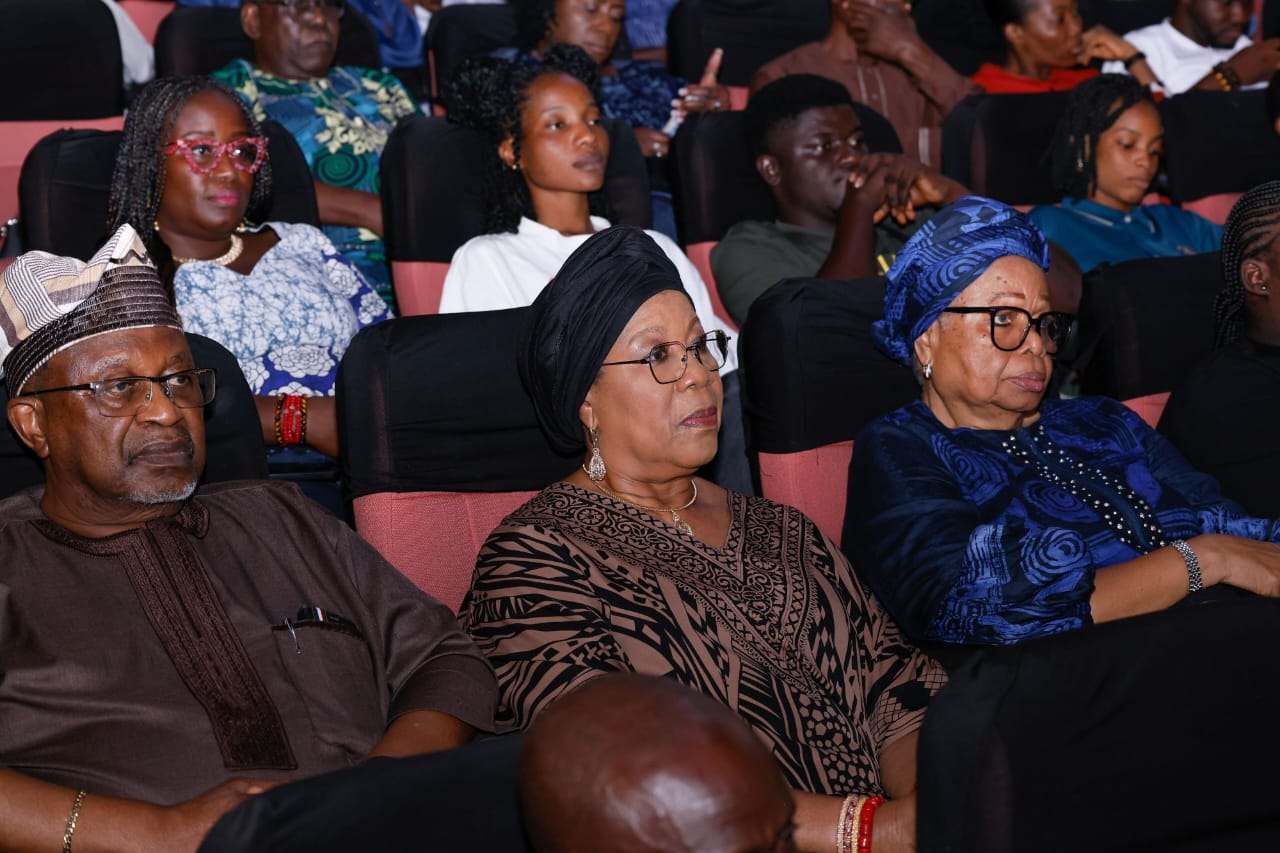
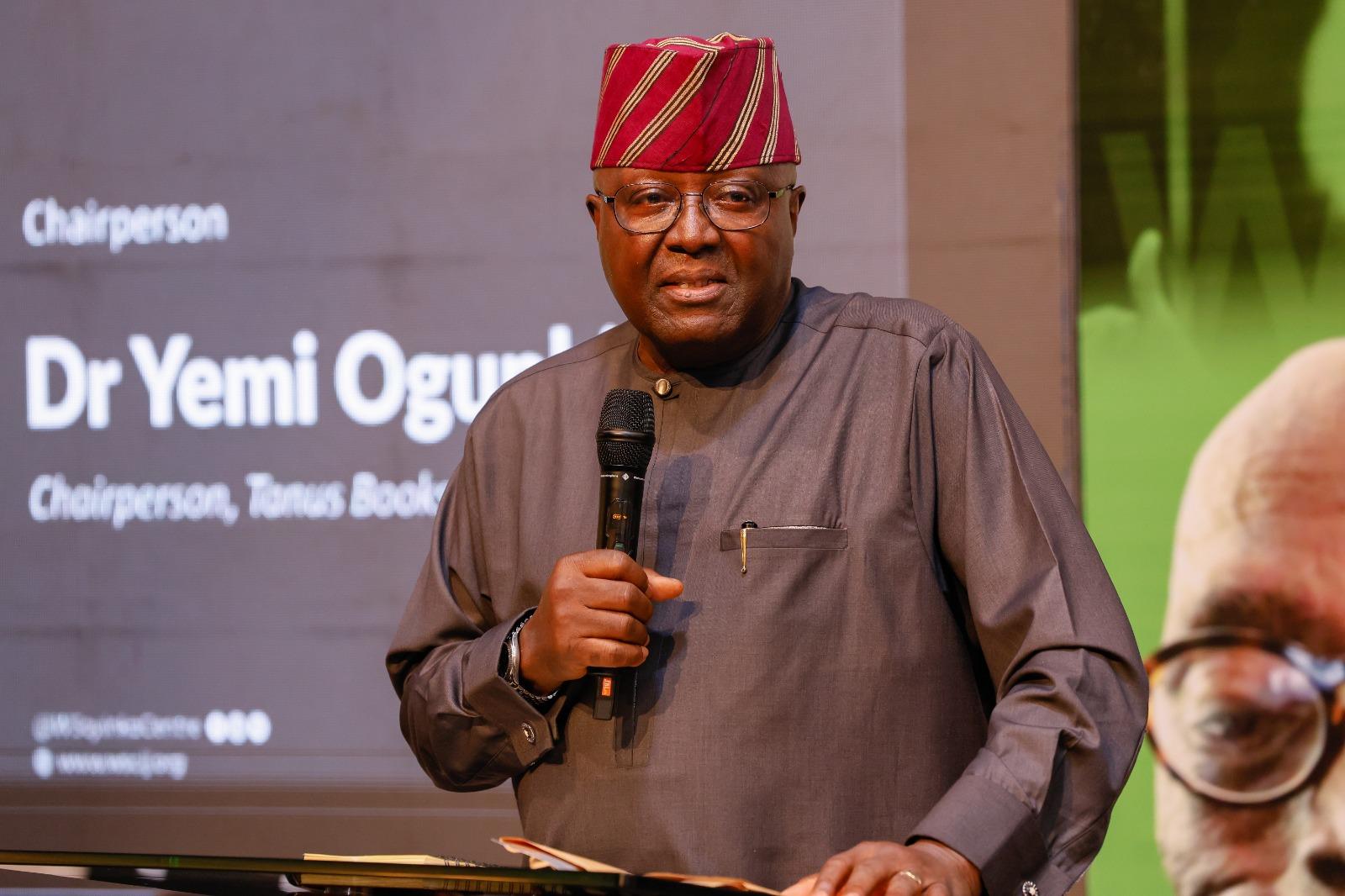
In his opening remarks, publisher and cultural activist Yemi Ogunbiyi traced Jeyifo’s early life and intellectual formation, saying they first met in 1961 and bonded over a shared love for reading.
Ogunbiyi described Jeyifo as intellectually rebellious, noting that his formative years were shaped by personal loss, including the death of a brother due to a genetic condition, and his own survival of a rare blood disorder.
The chairman of Tanus Books said the scholar’s influence extended beyond his generation, inspiring many to pursue academic careers.
He also highlighted Jeyifo’s role in advancing university autonomy in Nigeria. During his remarks, Mr Ogunbiyi read excerpts from a personal letter Jeyifo wrote to him in 1969 from London, reflecting on race relations, employment and the challenges faced by Nigerians in the United Kingdom.
Human rights lawyer and Senior Advocate of Nigeria (SAN), Femi Falana, also paid tribute to Jeyifo in his goodwill message, describing him as a formative influence whose academic activism shaped generations of radical scholars, lawyers and social advocates.
Falana recalled his years as an undergraduate, saying lecturers associated with Nigeria’s radical intellectual tradition protected students who were frequently targeted by university authorities.
“Way back in our days in Ife, I can say, without any fear of contradiction, that the likes of Jeyifo, Prof. Wole Soyinka, and some others, made it possible for me to graduate,” Falana noted.
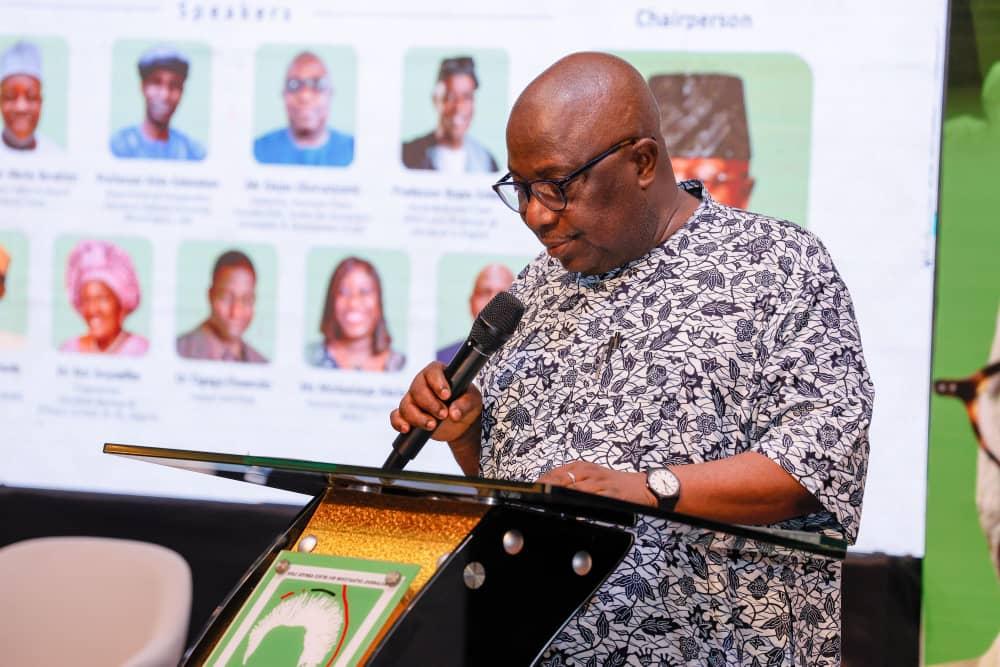
He said Jeyifo, during his tenure as president of the Academic Staff Union of Universities (ASUU), ensured the reinstatement of radical and Marxist lecturers dismissed by the military government in the late 1970s and intervened on behalf of expelled students across the country.
Falana also spoke on constitutional reforms, noting that progress had been made in enforcing aspects of Chapter Two of the 1999 Constitution, which outlines the Fundamental Objectives and Directive Principles of State Policy.
According to him, several laws now give legal force to provisions previously considered non-justiciable, including legislation on free basic education, disability rights and access to healthcare for vulnerable groups.
He said his organization intends to challenge the federal government in court over what he described as weak implementation of these laws.
“Nigerians must be encouraged to enforce these rights,” he said, adding that litigation remains a key tool for compelling government compliance.
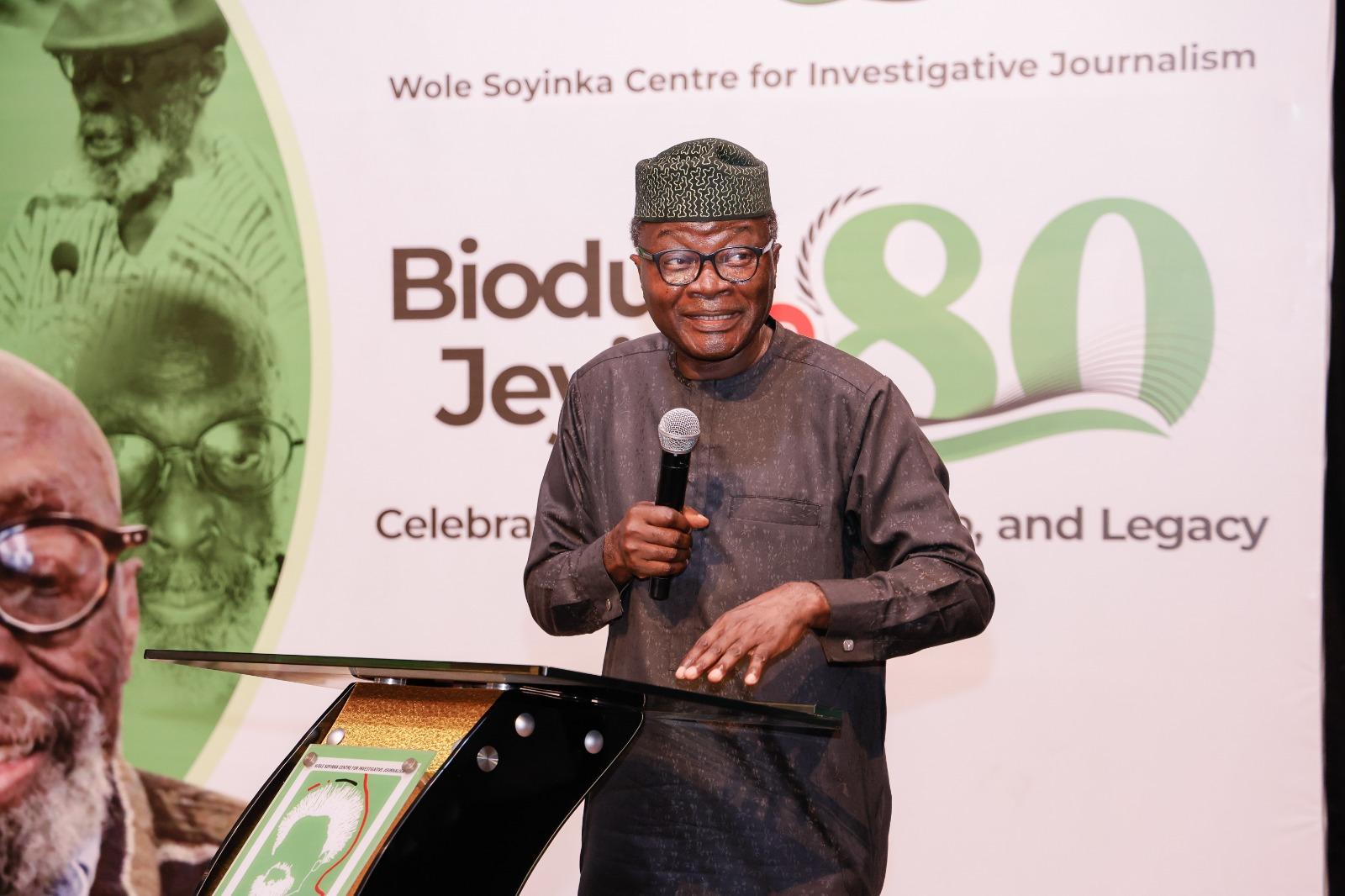
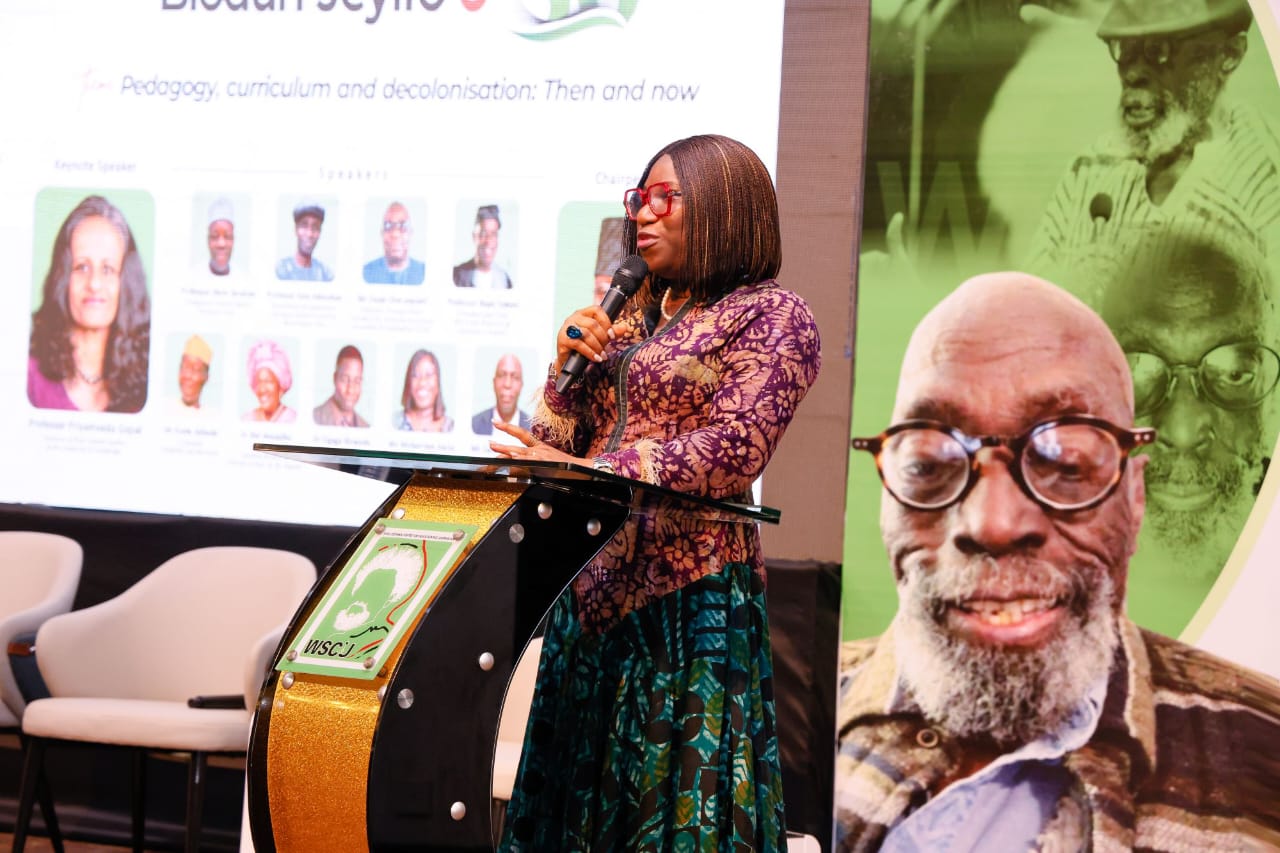
Earlier, the Executive Director, WSCIJ, Ms. Motunrayo Alaka, in her welcome address, said that the theme was fitting.
“Today, we celebrate Jeyifo at 80. We recognize his accomplishments as a scholar whose work has shaped how we read African literature, interrogate power, and understand culture,”she said.
She added that Jeyifo’s scholarship on the works of the grand patron, Prof. Wole Soyinka, remained foundational.
“Perhaps, even more enduring is his insistence that knowledge must always be questioned: who produces it, who benefits from it, and who is left out.
“This gathering is both celebration and reflection. Prof. Jeyifo’s work has never allowed us the comfort of easy answers. Instead, it has urged us to pay attention, to power, language, silence, and to the structures that define society.
“These questions resonate deeply with us at the WSCIJ, where we see education, media, democracy and journalism as public responsibilities,” she said.
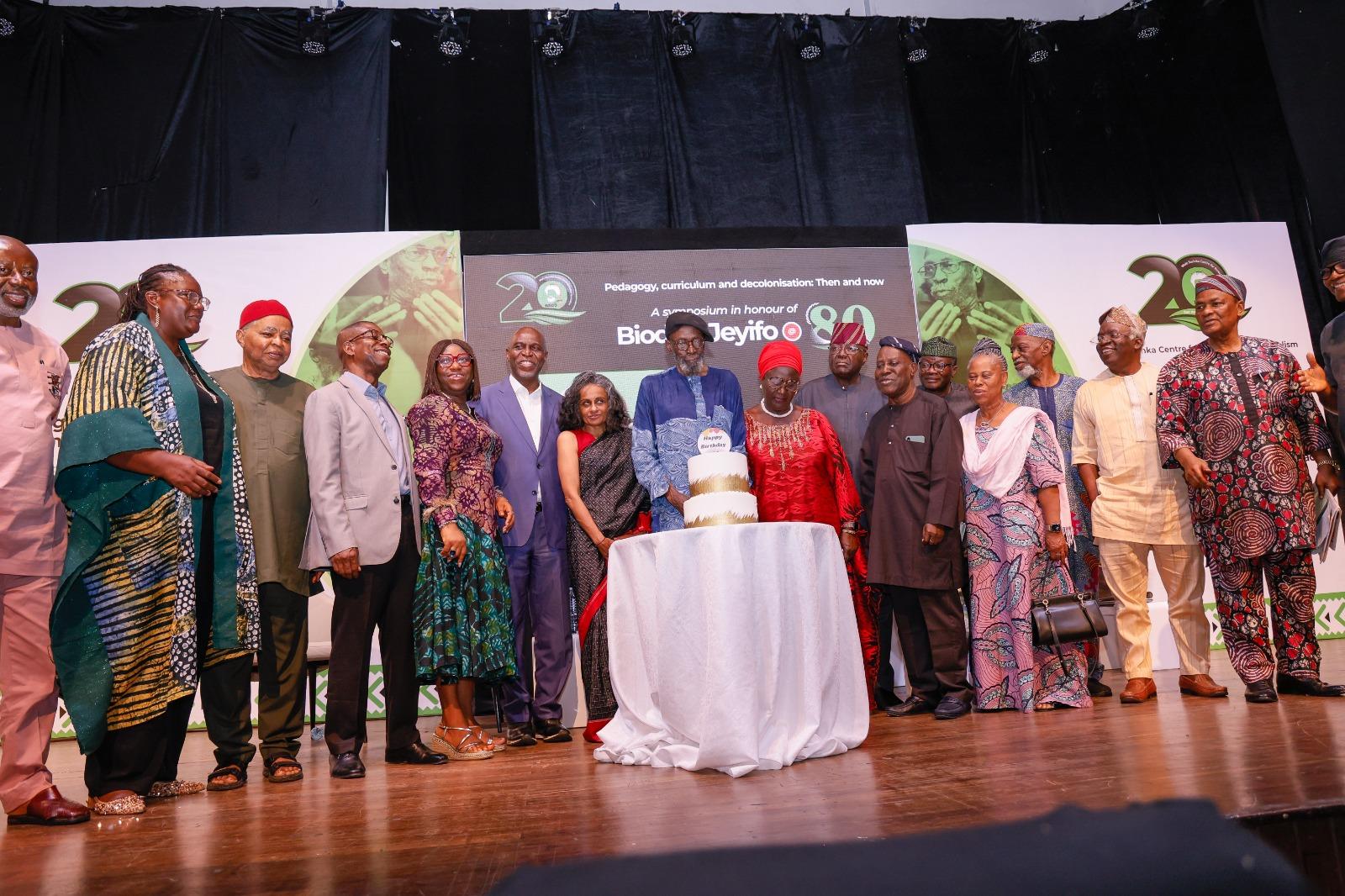
The highpoint of the event was the cutting of the birthday cake, which signaled the end of an afternoon of tributes paid to a scholar whose work has profoundly shaped Nigerian and African intellectual life..
Leave a Reply