

By Nehru Odeh
Prof. John Pepper Clark-Bekeredemo was a writer who extended the frontiers of African literature. He was not just an accomplished poet and playwright, known for the lyricism of his poetry and the depth and evocativeness of his plays; he was also one of the foremost African writers.
Still, despite the greatness and sublimity of his art, and his influence on African literature and contribution to national development, he was known simply as J.P. Clark. Yet, five years after his passing at 85, his literary greatness is indubitable.
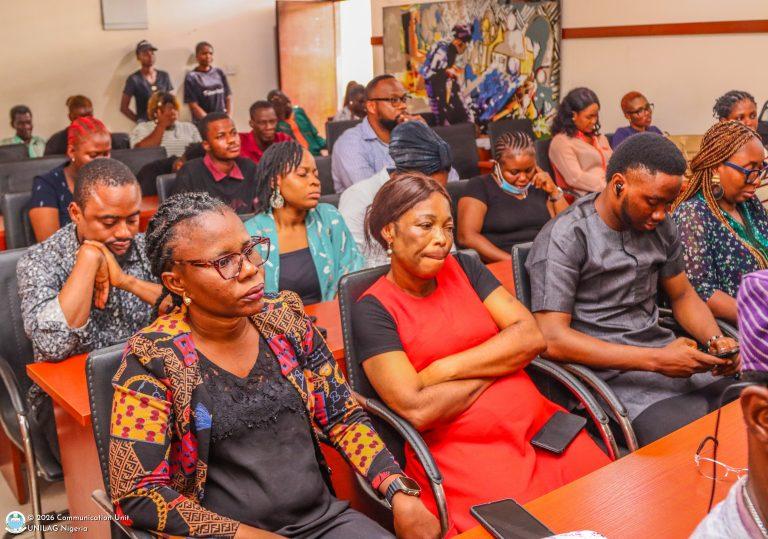
Such is the complex simplicity of this great man of letters. It was in the light of this and other reasons that family, former students, colleagues, and students gathered at the Boardroom of the Faculty of Arts, University of Lagos, to honour the man whose literary stature continues to amplify, at the J.P. Clark 5th Memorial, organized by his family and the Department of English, University of Lagos, to mark the fifth anniversary of his passing.
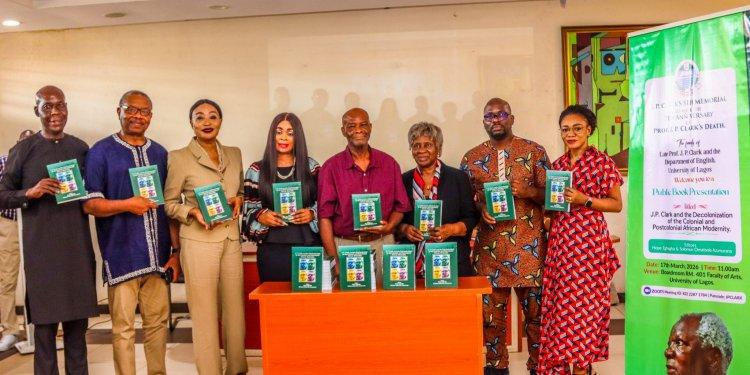
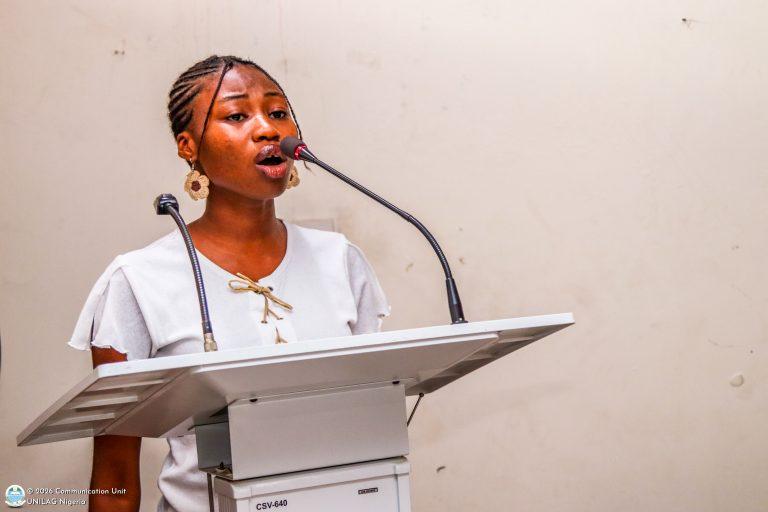
A very significant feature of the event was the public presentation of a collection of scholarly essays entitled J.P. Clark and the Decolonization of Colonial and Postcolonial African Modernity. The book was edited by Prof. Hope Eghagha and Dr. Solomon Omatsola Azumurana. The publication was reviewed by Dr. Kayode Kofoworola. Ms. Joseph Abisola Marvelous, a 300-level student of the Department of English, gave a spoken-word poetry performance at the event.
Still, another important highlight of the event was the presence of the immediate family of the renowned writer, which included his wife, Prof. Ebun Clark; his son, Elaye, and his wife; and his daughter, Ema.
The high point of the occasion was the formal unveiling of the book by Professor Edmund Bamiro alongside members of the Clark family.
Speaking at the commemorative event, the Dean of the Faculty of Arts, Professor Mudashiru Ilupeju, who was represented by Prof. Edmund Bamiro, paid glowing tribute to the renowned writer, highlighting the quality, wide reach, and linguistic simplicity of his works.
The Dean described Clark as one of the foundational voices of modern African literature, whose writings continue to shape literary scholarship and creative expression decades after their publication.
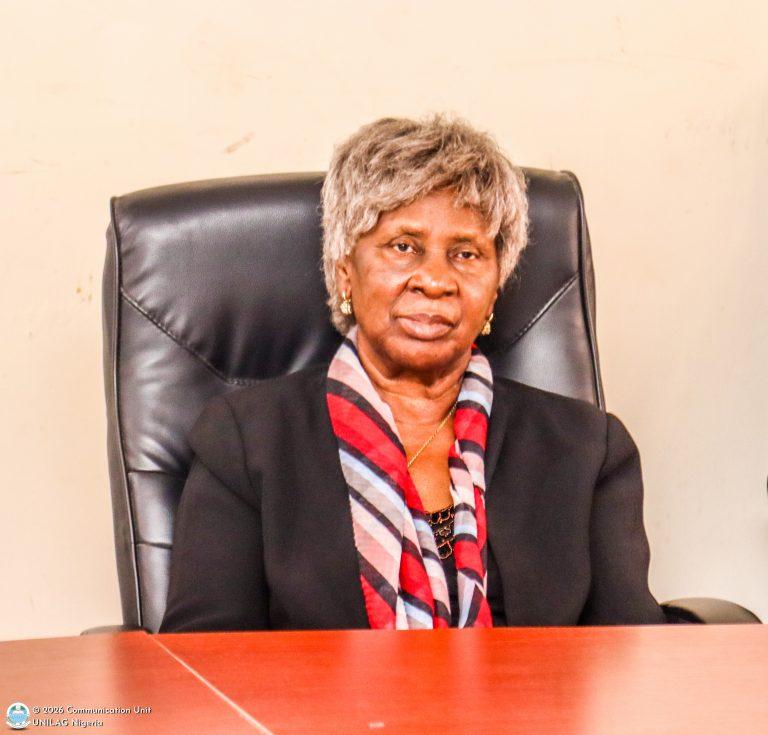
Bamiro, for his part, also highlighted how Prof. Ebun Clark played a significant role in his academic career. “In 1985, when I came to UNILAG to pursue my Master’s degree in English Language, you welcomed me warmly here. So, I am one of your protégés, and thank you for your role in my life,” he noted.
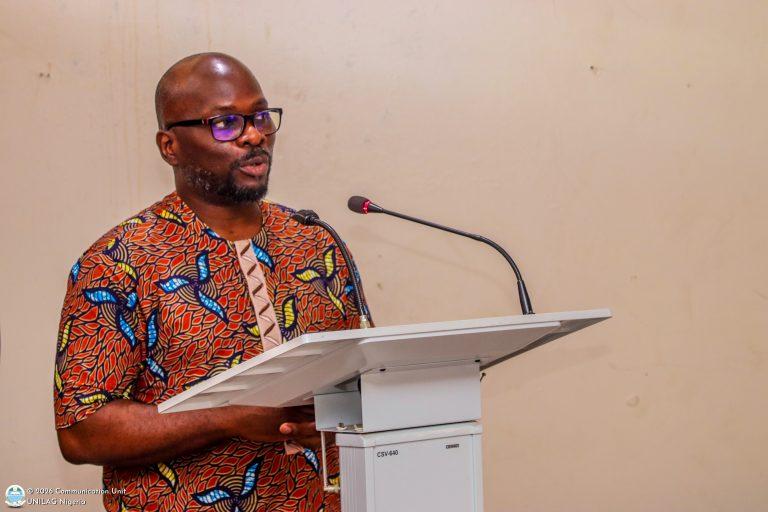
In his opening remarks, Dr. Solomon Azumurana thanked everyone for honouring their invitation, noting that though work on the book started in April 2024, when they were supposed to hold the Second International Conference in honour of Clark, they had to reschedule it for October that same year.
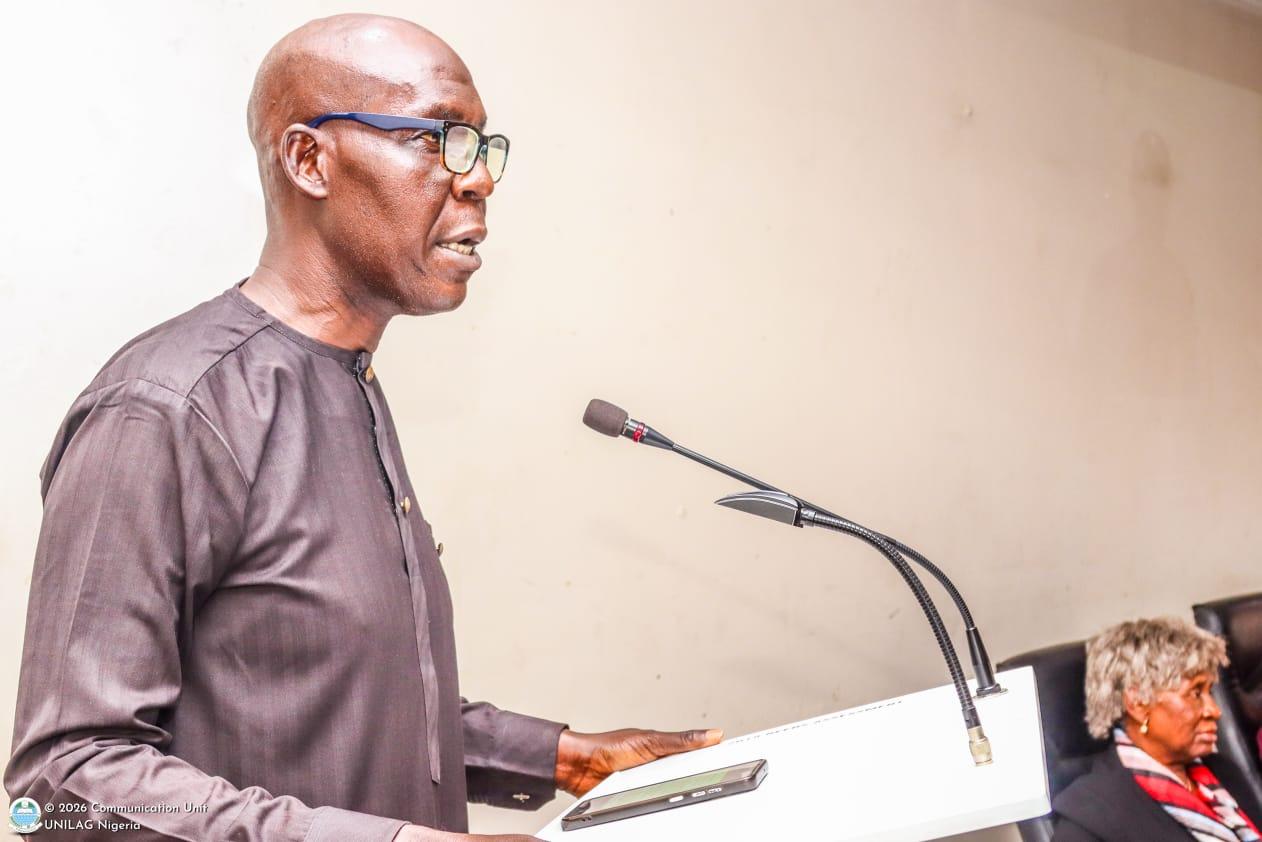
The academic also said that though they received more than 50 abstracts, some of them were not up to standard after peer review, while others that were very good did not meet the timeline set for them. “So, what we have in our edited volume here is just a snippet from the more than 50 abstracts that we received,” Azumurana said, adding that they are planning a third public book presentation.
“We are hoping that, soon, we would call on these contributors, whether they would be able to meet our timeline to send in their papers, and we would be able to have another edited volume,” he noted.
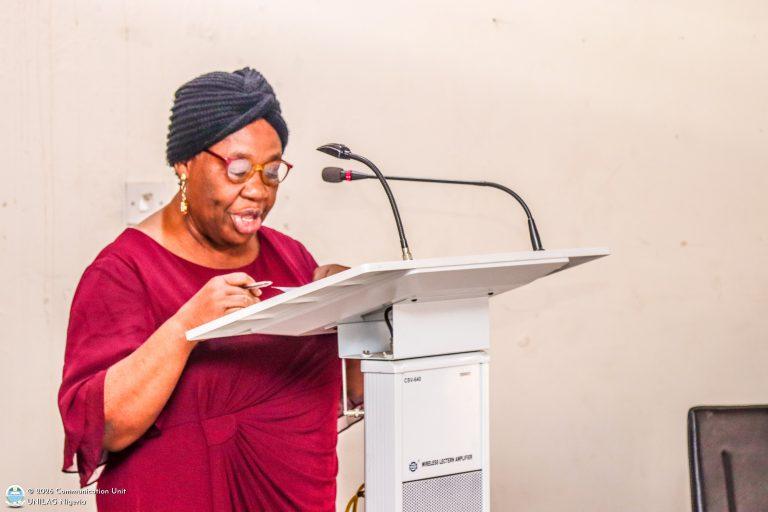
Prof. Bose Afolayan presented a paper entitled Tradition and Revolt: Continuities and Discontinuities in Modern Nigerian Drama in honour of her mentor and role model, Prof. Ebun Clark, the first female professor in the Faculty of Arts, University of Lagos.
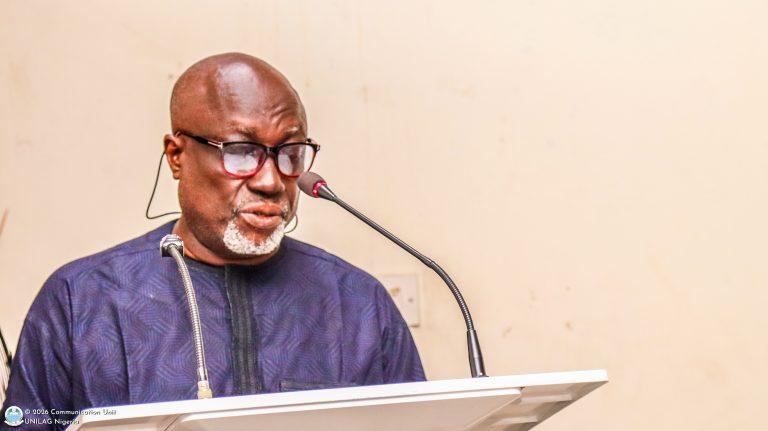
In her paper, Afolayan traced the trajectory of modern Nigerian drama from its early beginnings in rituals, festivals, and religious ceremonies to the present, where technology has had a significant impact on Nigerian drama and theatre, with the advent of Nollywood, stand-up comedy, and comedy skits.
“Between the festival origin and the full-blown influence of technology, there have been many trends, movements, and dramatists too. This lecture takes a critical look at the major landmarks to ascertain their individual and unique contributions and their appropriation of the elements of reality.
“The fact that there is a modern Nigerian drama presupposes that there must have been a traditional Nigerian drama. In other words, the modern must have grown from its traditional base. It did not grow out of a vacuum,” she maintained, adding that Nigerian drama did not begin with colonialism, as it has its roots in festivals.
Dr. Kayode Kofoworola, in his book review, said the book J.P. Clark and the Decolonization of Colonial and Postcolonial African Modernity is a welcome intervention in the discourse on, or discussions about, the impact of J.P. Clark’s writing in the 20th and 21st centuries.
“This 245-page book, published by the University of Lagos Press, will undoubtedly serve as a great resource material, not only for students interested in the writings and relevance of J.P. Clark’s work but also for scholars who are still trying to unravel the import and importance of J.P. Clark’s creativity. This book comprises an eclectic composition of literary and linguistic interventions in relation to the writings of J.P. Clark,” Kofoworola said, noting that the book is a worthy attempt at keeping J.P. Clark’s legacy alive.
“An interesting aspect of this volume to note is that it has to do with how not all, or very few, of Clark’s significant works got attention, and I think Dr. Azumurana has explained why this is so, because of the time lapse. Perhaps that provides a necessity for another intervention in the near or foreseeable future. For instance, The Wife’s Revolt is used in chapters 3, 4, 6, and 7, and is the most widely used text in the collection,” Kofoworola stated.
Responding on behalf of the family, Elaye Clark expressed appreciation to the university for preserving the legacy of his father, noting that the tribute and new publication reflect the lasting impact of his contributions to literature. Elaye’s remarks signalled the end of the event, which spoke volumes about J.P. Clark’s continuing relevance and influence in African literature.

Leave a Reply