

Abullahi Hamza
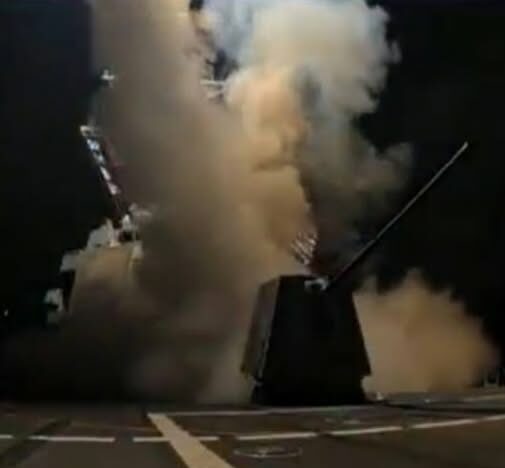
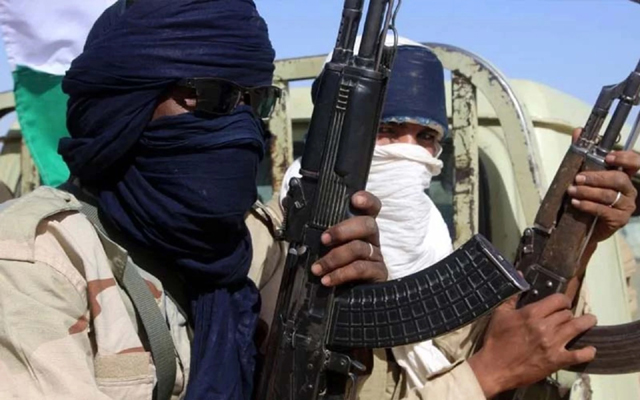
Nigerians are a hard lot to please. We endure terrorism, banditry, insurgency, and a host of other plagues afflicting our nation—calamities our governments appear either incapable of addressing or, in some cases, complicit in perpetuating. Yet when a foreign power like the United States takes decisive military action, a wave of patriotic sentiment rises among some, who hastily invoke national sovereignty. Ironically, the Nigerian government itself has not protested; official statements have framed the operation as a coordinated effort.
This presents a painful contradiction: we lament our decimation, yet often meet external assistance with suspicion and outcry. The tragic reality is that our systems are so corroded by corruption that the line between patriot and insurgent has blurred, fostering an environment where complicity can seem commonplace. In this context, third-party intervention can appear not as an affront, but as a grim necessity.
While concerns about collateral damage are inherently valid and necessary in any military action, I view such strikes—akin to powerful medicine—annihilating both negative and positive elements indiscriminately; that’s the way the cookie crumbles.
If the expansion of terror can be decisively checked, then the price must be paid. To make a national omelette of security, eggs must tragically be broken. In this view, a temporary, decisive blow, even at a high cost, is better than the slow, systemic death inflicted by unchecked terrorism and the corruption that enables it.
The choice facing Nigeria is grave: maintain an often-violated sovereignty while the nation is systematically torn apart, or accept external, decisive assistance and pay the necessary, difficult price for renewed security.

Leave a Reply