


IHS Team with Ogun Chairman Correspondence Com Rasaq Ayinla and Hon Kayode Akinmade at the opening of a two days training for hundred Journalist in Ogun
IHS Nigeria, a leading communications infrastructure services provider, has sponsored a training program for 100 Ogun journalists organized by the Correspondents’ Chapel of the Nigeria Union of Journalists (NUJ), Ogun State Chapter.
The two-day training, which held from October 29 to 30, 2025, focused on enhancing the capacity of journalists in areas such as new media, legal defense, and financial and economic reporting.
Speaking at the event, Yemisi Diya-Salawu, Director, Legal, IHS Nigeria, highlighted the company’s commitment to sustainability and social responsibility.
She emphasized the critical role the media plays in society, particularly in keeping citizens informed, deepening democracy, and fostering national development.
Diya-Salawu outlined IHS Nigeria’s sustainability strategy, which is delivered across four key pillars: ethics and governance, environment and climate change, education and economic growth, and people and communities.
She noted that the company’s 2023 and 2024 impact reports demonstrate its commitment to fostering a more sustainable and prosperous future for Nigeria and Nigerians.
She emphasized that the training aimed to equip journalists with the necessary skills and knowledge to excel in their profession.
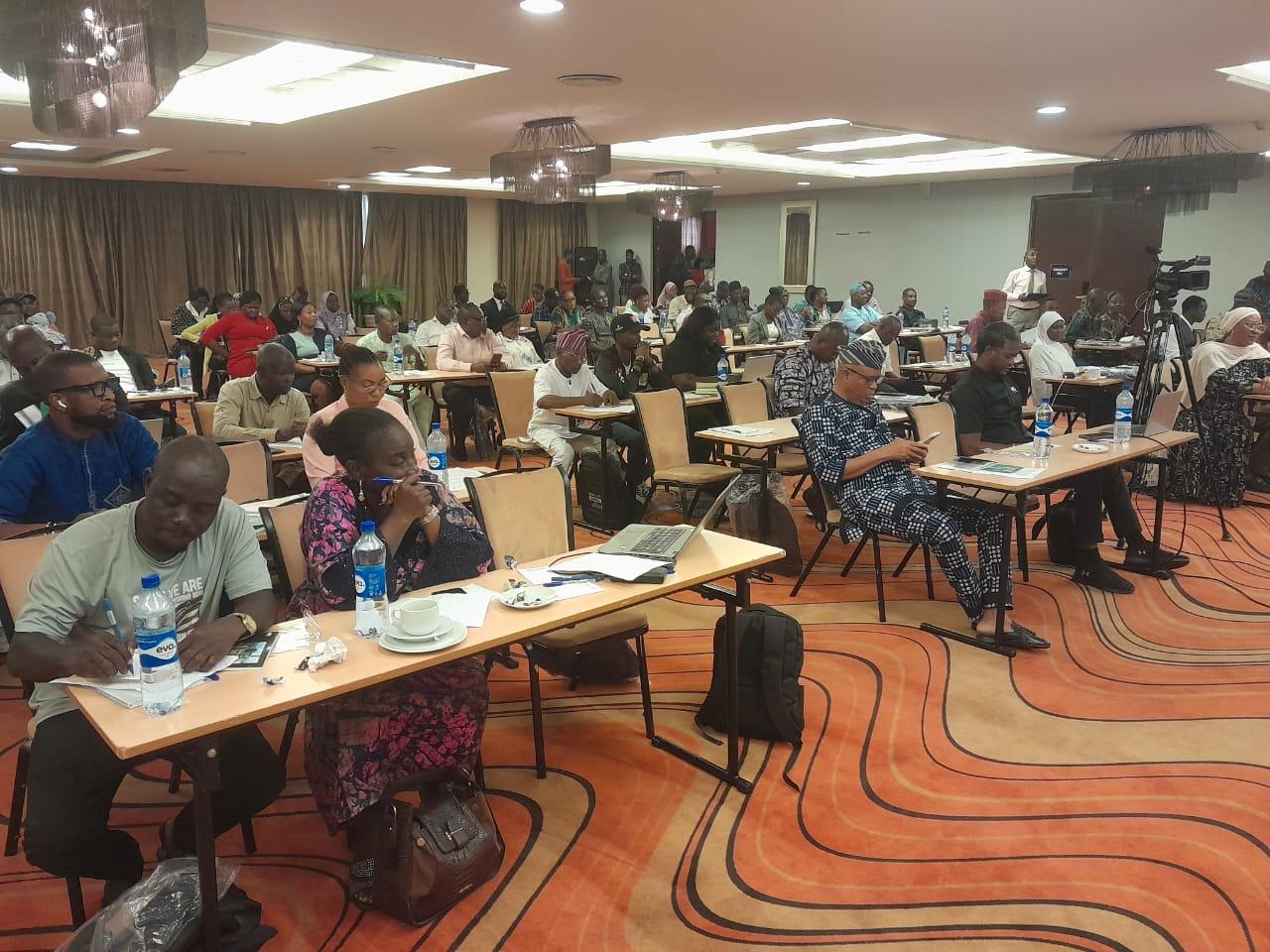
Diya-Salawu expressed confidence that the training would be a worthwhile experience for the journalists, given the topical nature of the subjects and the impressive lineup of resource persons.
“By sponsoring this training, IHS Nigeria reaffirms its commitment to creating conditions for people and communities to thrive. The company looks forward to a rewarding session and continued partnership with the NUJ Ogun State Chapter in promoting a professional and vibrant media community.”
According to her, the company sees itself as “Nigeria’s backbone of digital possibilities, ensuring that connectivity drives socio-economic growth while being pursued responsibly and sustainably.
Beyond building sustainable, energy-efficient, and secure infrastructure solutions, we are deeply committed to creating conditions for people and communities to thrive today and for generations to come,” she added.
Diya-Salawu further noted that IHS Nigeria’s sustainability strategy is anchored on four key pillars: ethics and governance, environment and climate change, education and economic growth, and people and communities.
“We hope this training motivates journalists working in Ogun State to become even more professional in their work, aim for excellence, and find fulfilment in it.”
The Special Adviser to the Governor of Ogun State, Hon. Kayode Akinmade, representing Governor Prince Dapo Abiodun and the Secretary to the State Government, Mr. Tokunbo Talabi, while declaring the training open, emphasized the importance of collaboration between the government and the media in driving development.
Akinmade noted that the media plays a crucial role in shaping public opinion and promoting government initiatives.
He highlighted the challenges faced by media practitioners in Nigeria, including limited access to information, physical assaults, and harassment of journalists.
He commended the Correspondents’ Chapel for organizing the retreat, which provided an opportunity for journalists to acquire new skills, share experiences, and network.
He reiterated the importance of partnership between the government and the media, stating that the government is willing to work with the media to drive development.
He expressed appreciation for the media’s support and collaboration in promoting the government’s initiatives and pledged to continue working together for the benefit of Ogun State and Nigeria as a whole.
In his welcome address, Comrade Rasaq Ayinla, Esq., Chairman of the Correspondents’ Chapel, acknowledged that journalism in Nigeria faces numerous challenges, including gaps in structured mentorship for young reporters, career planning and growth opportunities, digital literacy, and leadership development. However, he expressed confidence that with the support of organizations like IHS Nigeria Limited, journalism can bridge these gaps and promote excellence.
He commended IHS Nigeria Limited for its commitment to media development and partnership.
He said, “Their sponsorship of this training is a testament to their dedication to promoting responsible journalism and deepening democratic governance in Nigeria.
IHS Nigeria’s sustainability strategy, which revolves around ethics and governance, environment and climate change, education and economic growth, and people and communities, aligns with the values of our profession.”
In conclusion, he urged all participants to take advantage of the training to acquire new skills and exchange ideas that would enhance creativity and professionalism in journalism.
In their various lectures, Mr. Lekan Otufodunrin, a former editor with The Nation newspaper, while speaking on the topic Understanding the Workability of Conventional and New Media: The Pros and Cons, advised participants to explore various media platforms, determine which works best for them, and be consistent.
He encouraged journalists to practice new journalism formats such as digital investigative journalism, mobile journalism, data journalism, fact-checking, and solutions journalism.
He also advised them to explore new revenue streams, invest in digital tools and expertise, network widely both locally and globally, take paid and free online digital journalism courses, and join media innovation communities to improve their reportage.
Dr. Folarin Jamiu, representing Prof. Dele Odunlami, Dean of the Faculty of Social Sciences, Olabisi Onabanjo University, recommended that practitioners remain committed to ethics, invest in digital skills, and adopt solutions-oriented reporting.
He also advised that curricula be updated, collaboration with the industry strengthened, emphasis placed on indigenous contexts, and students involved in emerging media.
He further urged promotion of media independence, investment in journalists’ safety, support for sustainable business models, and encouragement of language diversity.
Otufodunrin and Folarin, in conclusion, advised participants to focus on responses to problems, not just the problems themselves. “The present is not only about surviving but innovating,” they said, noting that Nigerian practitioners are adapting to new forms of journalism oriented toward impact and sustainability.



Leave a Reply