


By Abubakar Hashim
Today, September 11, 2025, marks exactly 24 years since the deadliest attack on US soil. That tragic incident took place on September 11, 2001, under President George W. Bush Jr.
The attack on New York and Washington caused extensive deaths and destruction. Since then, the US has robustly re-engineered its security architecture, with the Department of Homeland Security created.
The same strategy snowballed in other countries, particularly at airports, seaports and other transport facilities.
I recall, with sad memories, my visit to the scenes in New York in 2023. One of the questions by CNN reporter, James Hayes was what impact did 9/11 have on African countries?
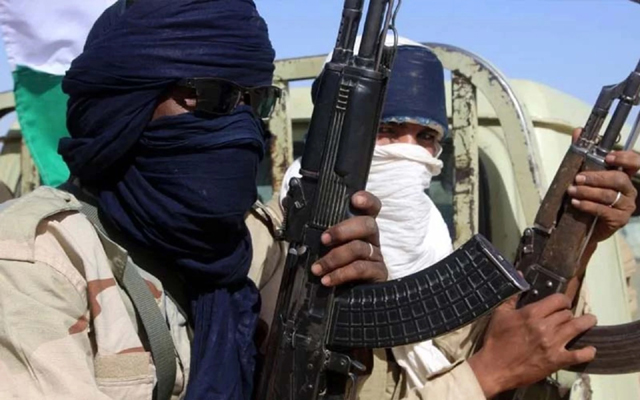
My reply was apt: It had severe security and economic challenges. The ongoing terrorist attacks in West and East Africa are outcomes of the effects of 9/11.
The economic challenges are also enormous. Biting inflation, high cost of living and currency devaluation due to weak exports are a few of the economic effects of 9/11.
The challenges also occur in even advanced countries in Europe and the US itself.
Lessons for Africa
African countries must look inward to boost productivity, particularly in the manufacturing of basic commodities.
More so, agriculture must be mechanised away from subsistence production.
Another lesson is the drastic reduction in the number of visas to travel to the US and other European countries. I’m delighted to hear Professor Wole Soyinka refusing to attend a visa interview today, September 11, 2025, for a visa reissue, stating,“ Today, 9/11, must be a mournful day, not only to the US, but the entire world “
The day has completely changed geopolitics, security, trade policies and even the psyche of people


Leave a Reply