

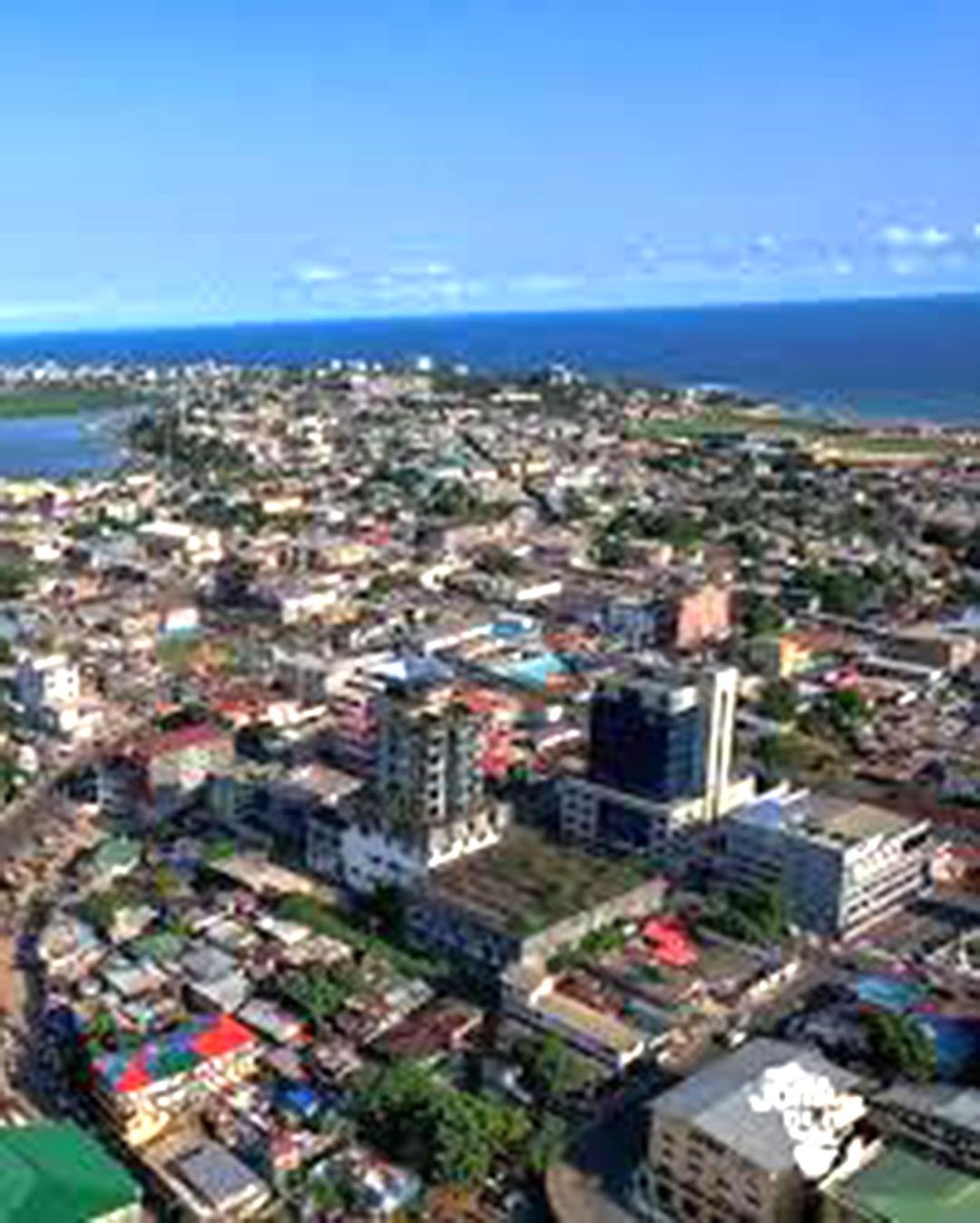
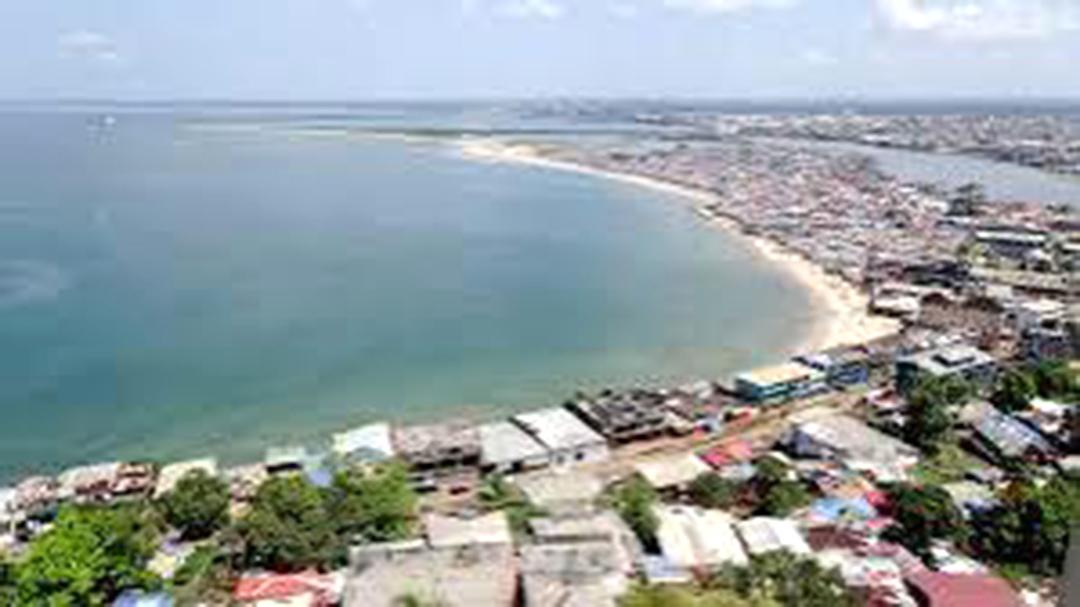
President Joseph Nyuma Boakai has commenced a journey to re-position Liberia to its past glory, as the country celebrated its 178th Independence Anniversary few days ago
Abubakar Hashim /Monrovia
July 26, 2025, marked 178th years since Liberia gained independence and the second independence celebration under President Joseph Boakai’s watch. He was sworn in on January 22, 2024, after winning the October 10, 2023, elections, defeating George Weah in a tightly contested race.
The country is building on the developmental processes of past governments, in rebranding its image in the global arena and improving infrastructural amenities.
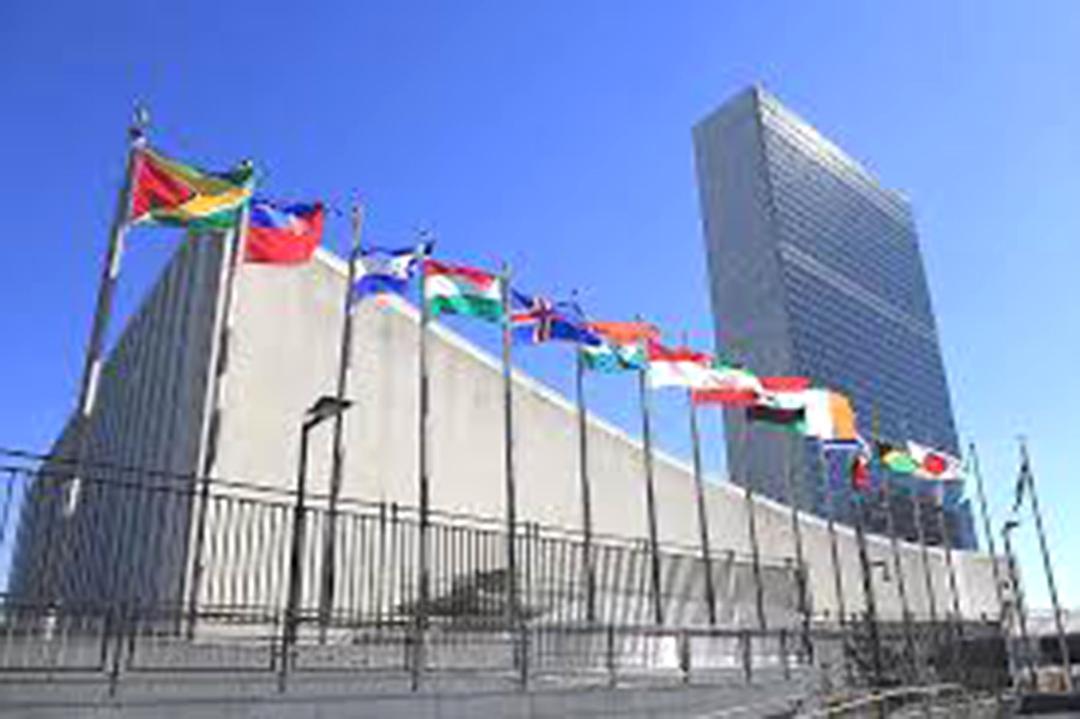
Liberia’s image on the international stage has greatly improved, with a non-permanent seat at the UN Security Council, 2026-2027.
On the domestic front, roads are now accessible within Monrovia and in major counties. However, this could not reflect on the prices of food like rice, vegetables in the market, with many families now bear the brunt in high prices, despite massive improvement in infrastructural amenities.
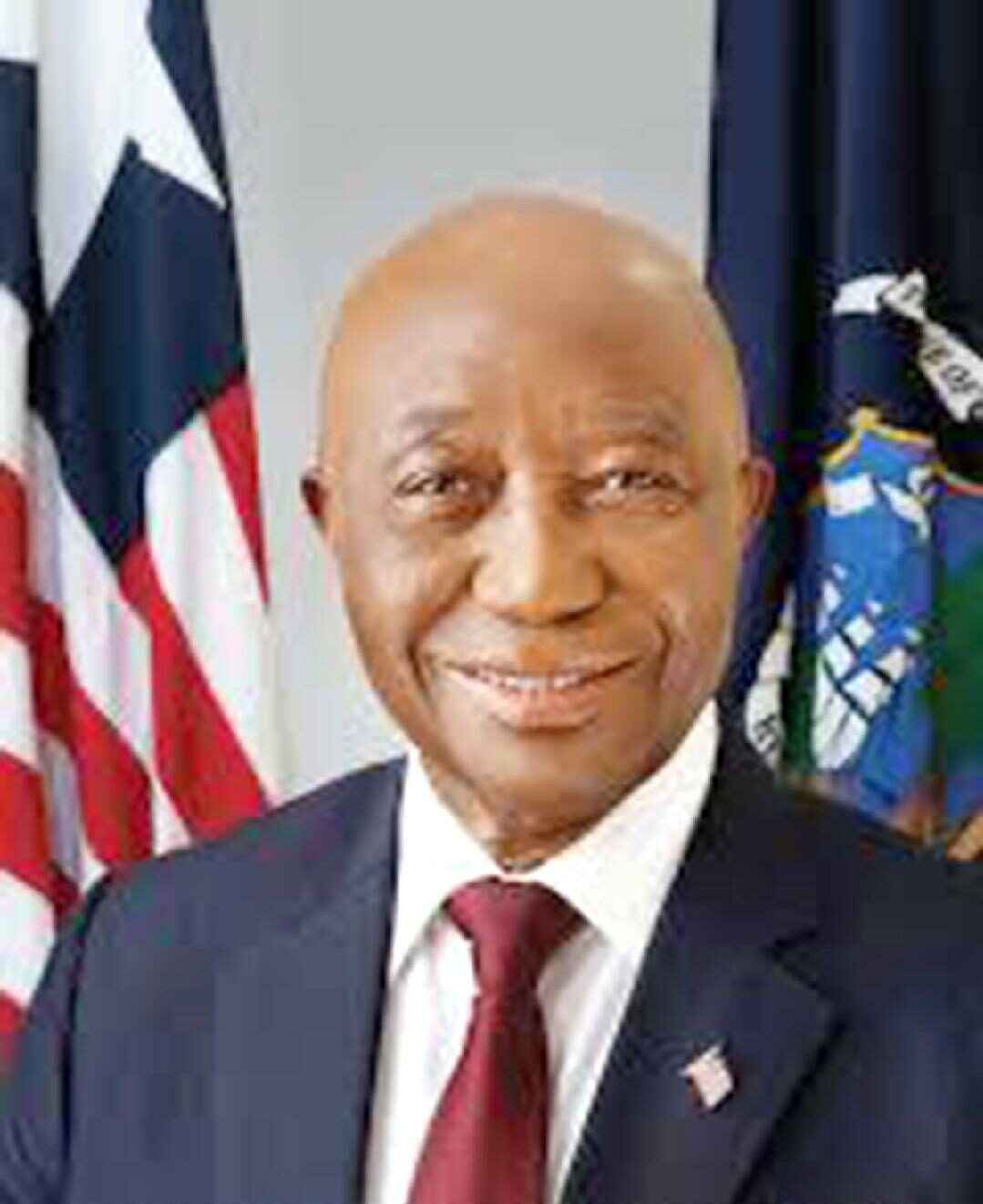
To solve this problem, a High-Powered Presidential Ad Hoc Committee, to be headed by Vice President Jeremiah Koung, has been set up, to investigate these disparities and recommend practical solutions for immediate action to stabilise food prices in the market. The committee is expected to submit its report within 45 days to restore fairness and price stability in the Liberian market system.
President Boakai, who inherited a decrepit and battered economy, has been governing with a string of development reforms.
Reforms of the Boakai-led Government
When he was sworn in, President Boakai embarked on constitutional reforms, mainly to strengthen the Liberian electoral processes and democratic credentials.
Coming on the heels of a tightly contested election, defeating an incumbent President, who, later conceded, even before the electoral commission declared the final tally of results, Boakai felt the compelling need to brush up grey areas of the country’s electoral processes, mainly to expand inclusivity and improve systemic weaknesses in governance architecture.
The country’s institutional structures collapsed during the 14-year-long war. The structures are today operational, manpower rotational, with ongoing changes of heads of government entities, with the President personally overseeing critical sectors of the economy.
The reforms, driven by the President’s passion, have received the World Bank’s official recognition in 2024.
In a statement, as part of the World Bank 2025 Africa Country Policy and Institutional Assessment CPIA report, launched in Monrovia a few weeks ago, Liberia is now “a reform-minded country on the path of inclusive growth”.
The CPIA report is a thorough and balanced assessment by international economists, with sound and profound knowledge on the workings of governments in critical sectors of the economy.
The report positions Liberia, under Boakai’s watch, in a stronger position to commence receipt of targeted international development assistance in key sectors of the Liberian economy.
Liberia, under Boakai’s stewardship, got a CPIA score of 3.1, meeting the eligibility threshold for international development assistance IDA, the World Bank financing arm for the poorest countries in the world. This has improved Boakai’s profile of economic governance and his international standing in 2024.
How Reforms Were Implemented
The Boakai government embarked on tight control of government spending. As a President, he ceded 40 per cent of his salary, as a sacrifice, to the treasury to start the process.
There was also a reduction in high wage bills, curtailment of unnecessary tax expenditures, and a gradual phasing out of fuel subsidies.
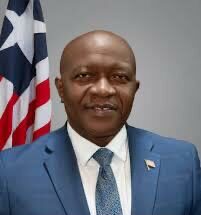
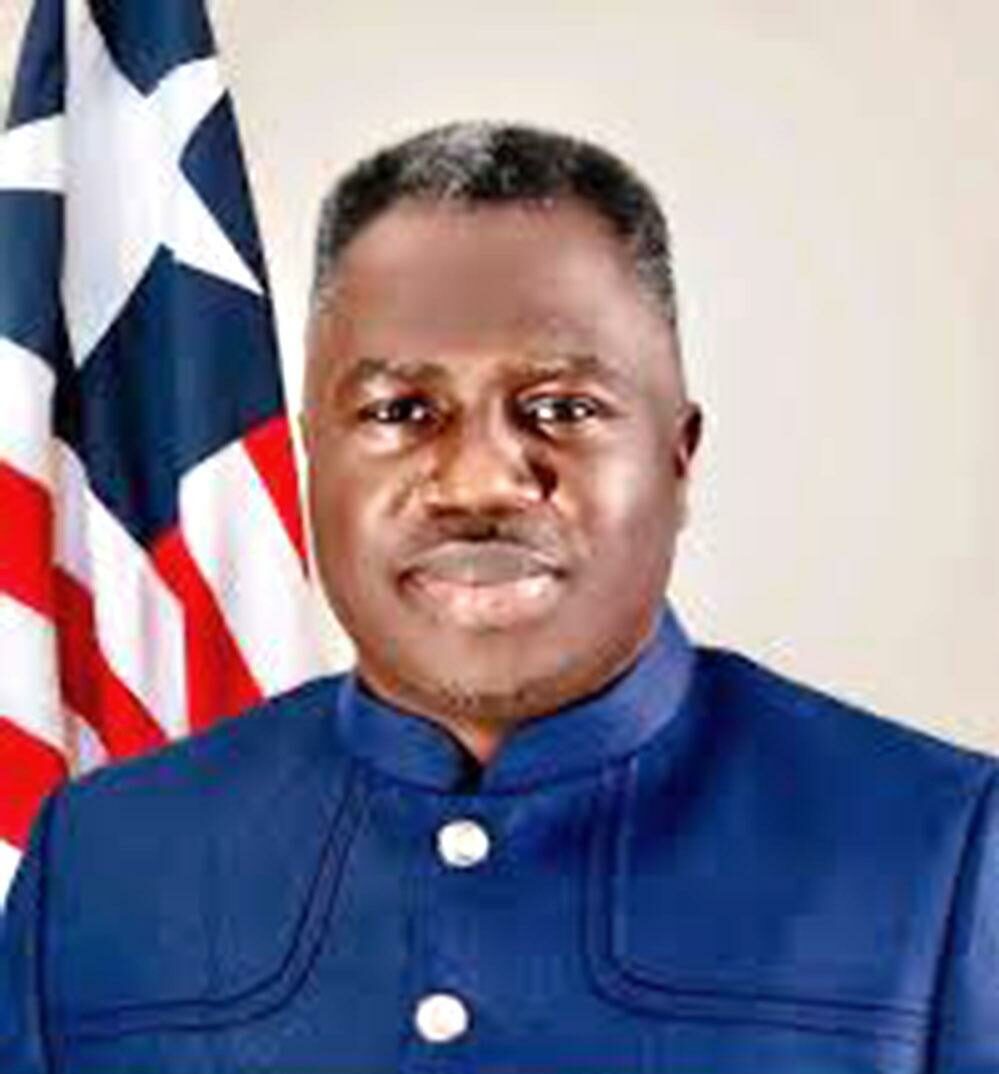
Hon Augustine Kpehe Ngafuan, Finance Minister…Sound fiscal policies
These steps stabilised public finances, restored investor confidence, and reduced fiscal vulnerabilities.
The Central Bank of Liberia, CBL, also embarked on tight monetary policies that reduced inflation to a single digit, maintained a relatively stable exchange rate, amid current global economic uncertainties.
CBL increased policy rates, with a positive real interest rate, which encouraged savings and price stability. The CBL position curbs inflation and enhances monetary credibility in 2024.
Another major reform is financial inclusivity. There is a rapid growth in mobile money adoption and the establishment of a modern credit registry in the Liberian economy.
This has improved access to finance and economic participation, particularly among the disadvantaged population in the remote rural areas.
Another worthwhile reform is the Liberia Revenue Authority, LRA, current strategy to broaden the tax base, streamline collection through automation, block leakages, increase revenue mobilisation, and promote economic efficiency.
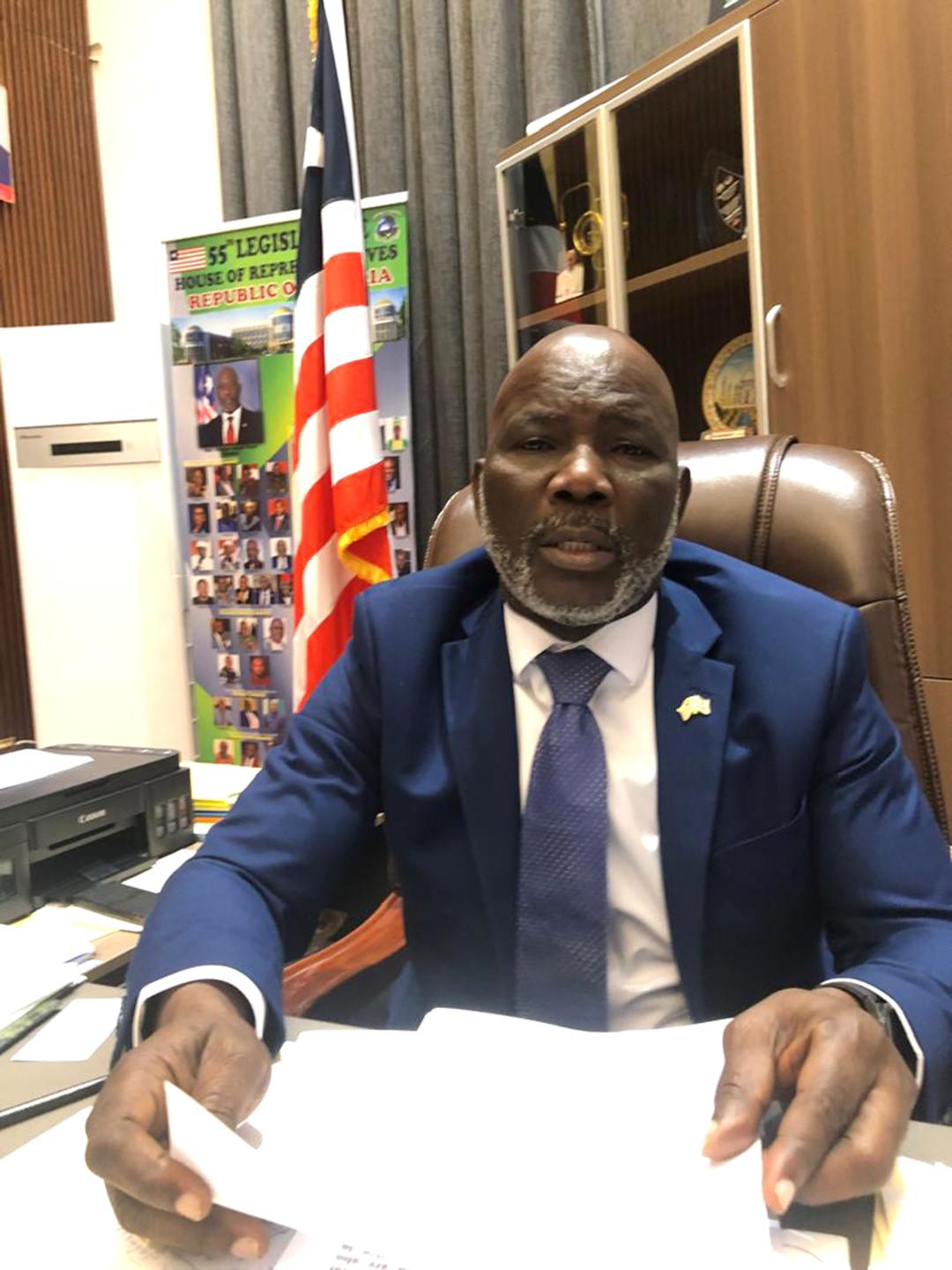
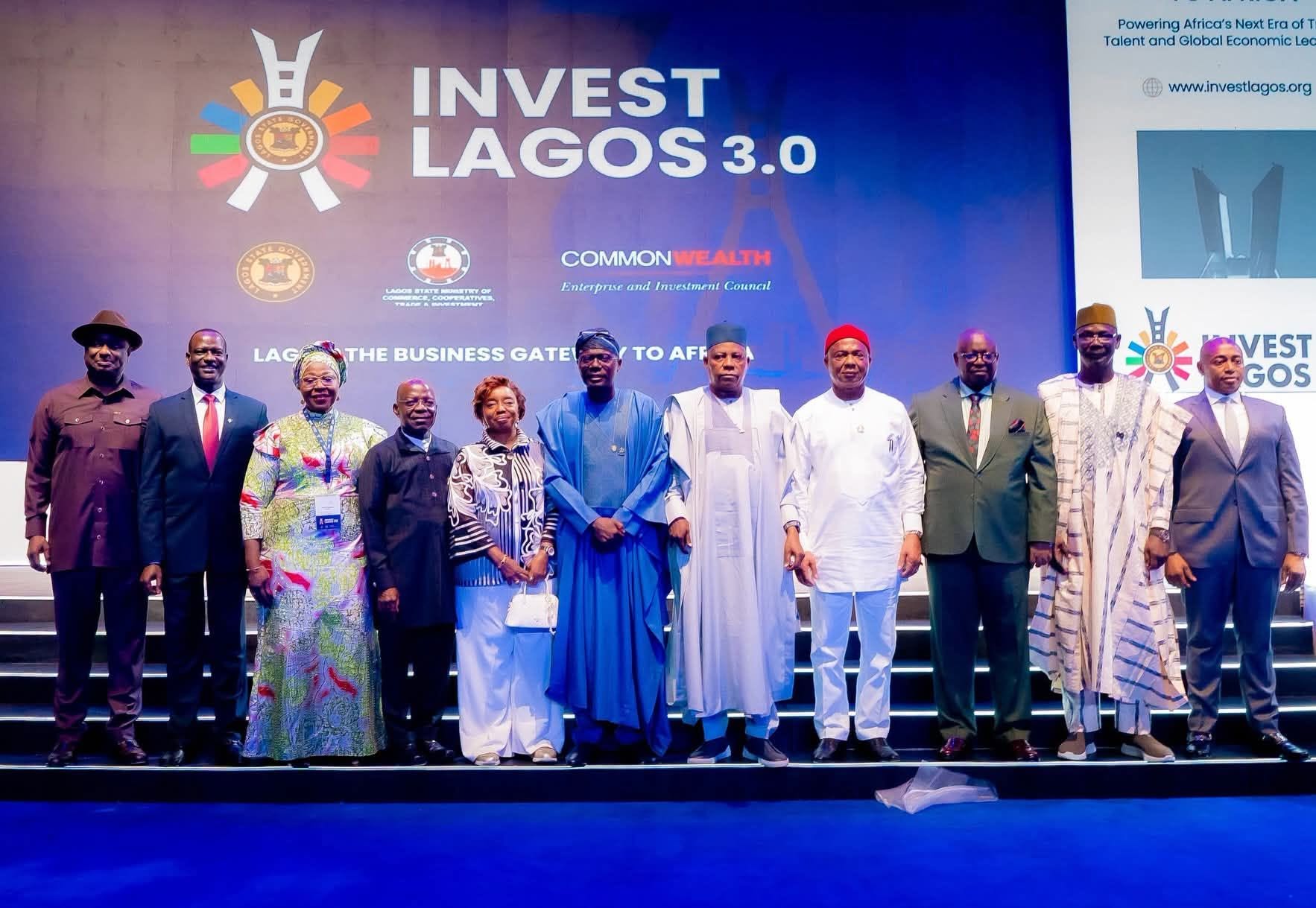
The country recently hosted an investment conference from July 15 to 18, 2025 as a result of the ongoing reforms by the government. The conference targets infrastructure investment, development finance, and technical partnership in key critical sectors.
The main challenge of the Boakai-led government is that the vast majority of the people have yet to feel the pulse of development, particularly in their disposable incomes. Mainly farmers, they rely mainly on subsistence agriculture. Products hardly reach the markets on time. The National Transit Authority, NTA, is working on strategies to commence transportation of farmers’ products to urban markets. This will increase their disposable incomes and reduce prices in the markets.
Liberia is the first African country to gain independence, with Ethiopia, both maintained sovereignty during European colonial scrambling for Africa.
A founding member of the League of Nations, UN, OAU, now AU, and ECOWAS, the country, since independence, was governed by unbroken American/ Liberian rule, which ended in 1980, in a coup by Samuel Doe, an indigenous native, against William Tolbert.
Then followed a civil war from 1989 to 1997, with the election of the rebel leader, Charles Taylor, with a second civil war that ended in 2003.
The two wars resulted in the deaths of about 250,000 people, about 8 per cent of Liberia’s population of 5.5 million people. This caused the economy to contract by 98 per cent of GDP.
This followed a democratic election in 2005, won by Africa’s first female President, Madan Ellen Johnson-Sirleaf, who ruled for two terms, 2006 to 2017.
International football star, George Weah won the 2017 elections, ruled from 2018 to 2024.
Current President Boakai won the 2023 elections and has ruled for 18 months.
Relations with Nigeria, ECOWAS, AU and the World
Liberia has strong bilateral relations with Nigeria. Apart from ending the civil war in Liberia, where thousands of lives were lost, Nigeria, through ECOMOG-led forces, spent billions of US Dollars. Nigeria, currently, provides technical aid corps TAC volunteers to Liberia, particularly in the educational sector.
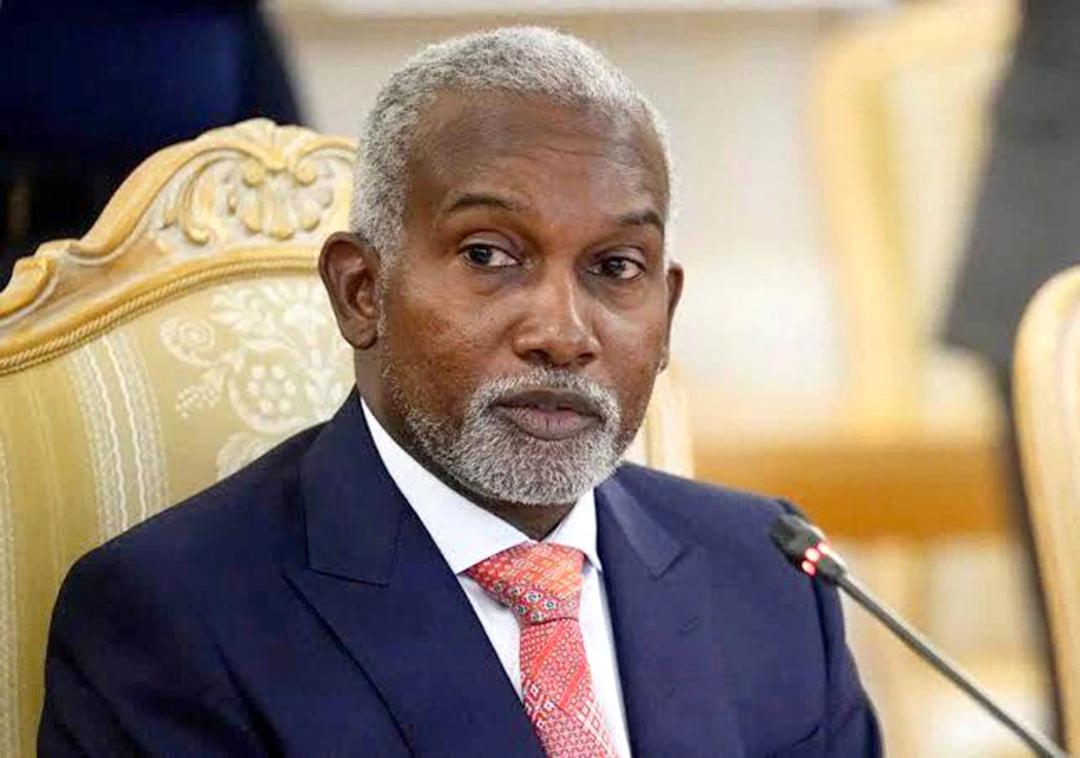
In 2023, Nigeria deployed 26 TAC volunteers to the educational sector in Liberia. These teachers are currently working in five counties in Liberia, in Lofa, Bomi, Grand Cape Mount, Grand Bassa and Nimba. They teach English Language, Mathematics, Physics, Chemistry, Biology and Geography.
Nigeria is also currently waiting for response from the Liberian authorities to deploy about 25 lecturers, including Professors and Doctors, to the University of Liberia under the TAC program.
In the military sector, Nigerian Armed Forces used to offer vacancies, gratis, to the Armed Forces of Liberia, AFL, in some selected courses.
Liberia is a founding member of ECOWAS, AU and UN. The late President William Tolbert, together with the late West African Presidents and the only survivor today, 91-year-old Yakubu Gowon, signed and ratified the Lagos treaty that formed ECOWAS in 1975.
Liberia was also a leading founding member of the then OAU, now AU, in Addis Ababa in 1963.
The country also played a leading and significant role in the formation of the League of Nations, comprising 63 countries in 1920.
The League of Nations was the first worldwide intergovernmental organisation, formed to maintain peace at the end of the First World War.
It was disbanded in 1946, at the end of the Second World War in 1945, resulting in the formation of the United Nations. Liberia played a critical role in the emergency of the UN in 1945.
Significance of July 26 To Liberians
July 26 Independence Anniversary is the biggest celebratory day in Liberia. Liberians so cherish it that when one whispers 26, Liberians scream with joy!
Salaries are promptly paid, with bonuses, early in the week preceding 26 July. Banks extend business hours due to overcrowding in banking halls. “Just say 26, the Liberian will yell, smile and hug you with warm affection”, remarked Kolubah from Nimba County.
Liberians like fun and merriments. In a year, Liberians celebrate countless holidays, so numerous than the working days in offices!
As the country marked its 178th independence anniversary, President Boakai has commenced a new economic model of development, through strategic equal partnership, fueled by foreign direct investment FDI.
This model will change the old-fashioned dependency to a new equal partnership to empower Liberians.
The investment conference, recently held in Monrovia from 15 to 18 July 2025, marked a turning point in the country’s new economic model of investments, not aid, needed for Liberia’s economic development
Leave a Reply