

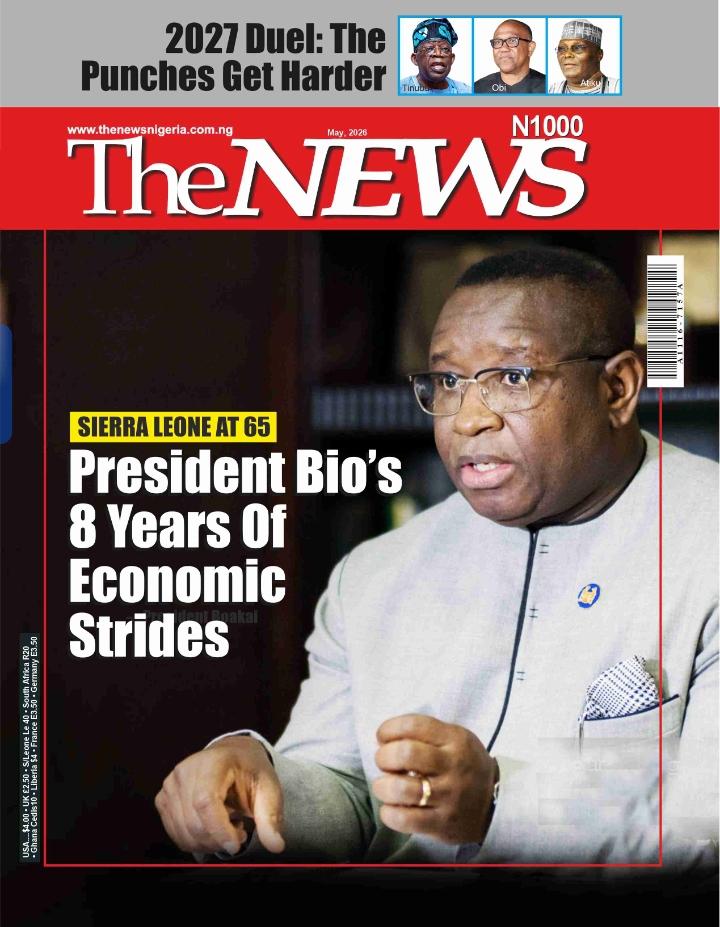
As Sierra Leone marks its 65th independence, President Julius Maada Bio showcases his achievements in key sectors as he also celebrates eight years in office
Abubakar Hashim /Sierra Leone
It is not only individuals who mark their days with birthdays; countries and administrations also celebrate milestones. They exhibit wisdom by pursuing what is good for the greatest number.
John Bordley Rawls, an American moral, legal, and political theorist in the modern liberal tradition, argues that institutions—the “basic structure” of society—must be evaluated through the lens of justice, particularly how they distribute rights, duties, and advantages.
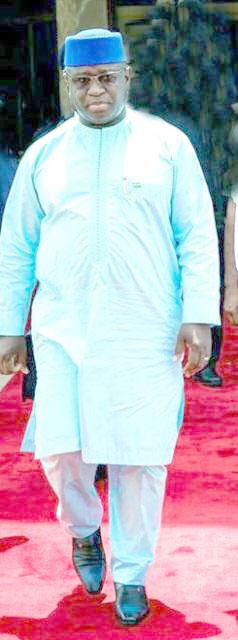
These principles apply to President Julius Maada Bio of Sierra Leone, who organized a double celebration this April. His country turns 65, and he has spent eight years in office, “distributing rights, duties, and advantages” to his people. News of this twin anniversary has extended beyond Sierra Leone’s shores, with ECOWAS, the AU, the UN, and the global community joining in the celebrations as the nation clocks 65 on April 27, 2026. Coincidentally, President Bio also marked eight years in power on April 4, 2026, having first been sworn in on April 4, 2018, for a five-year term and re-elected in 2023.
Eight years on, President Bio—currently ECOWAS Chairman—has recorded notable economic strides and gains despite significant domestic and external challenges.
Security:
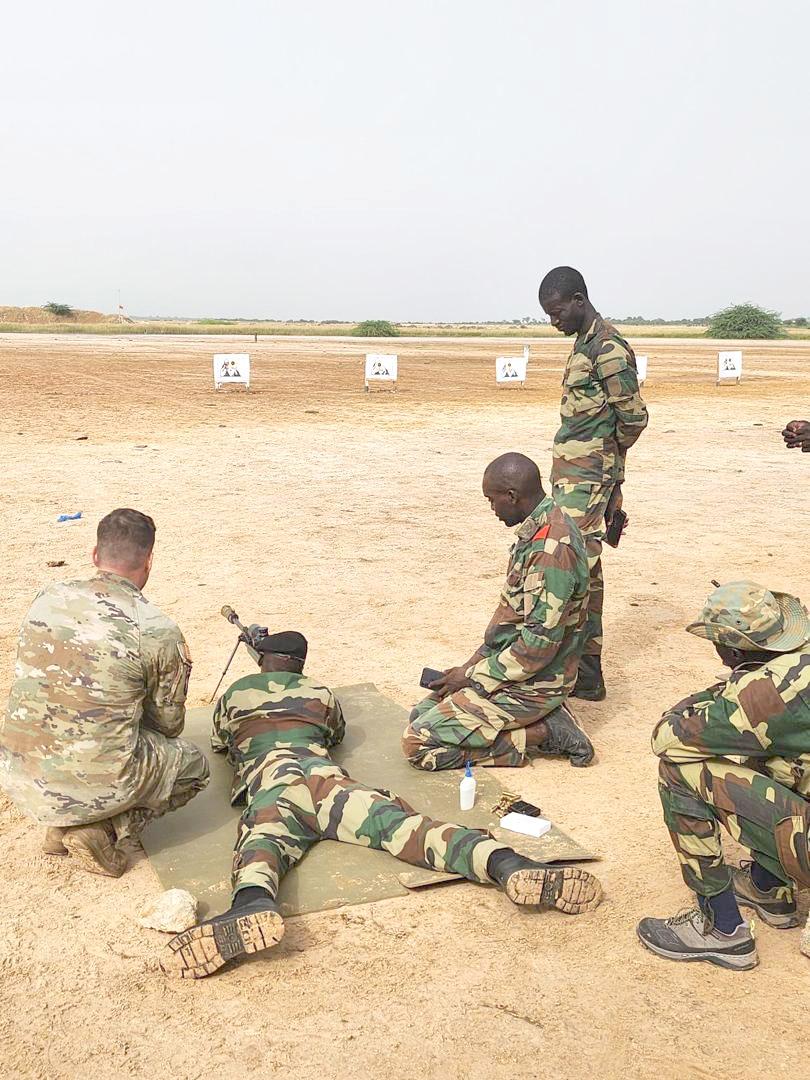
Overcoming the 11-year-old civil war is a significant stride the country has achieved to regain its past glory as the “Athens of West Africa” that produced the best brains on the continent. The late President Ahmed Tejan Kabbah officially declared an end to the war 24 years ago, in 2002.
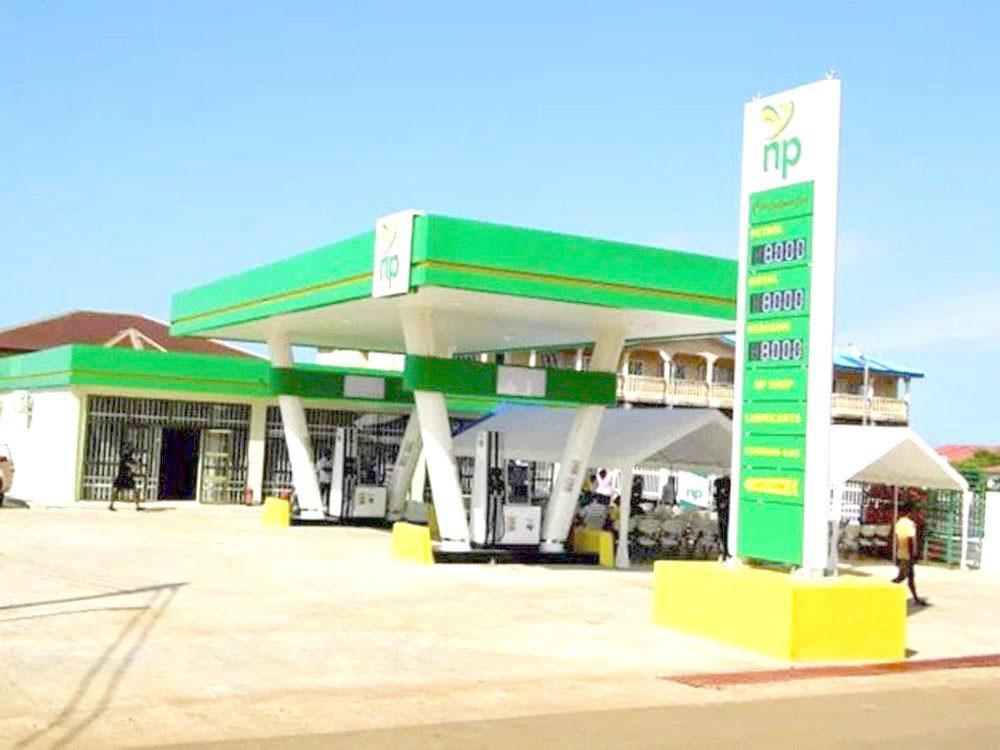
Regular supply of petroleum products
President Bio was part of the ECOMOG contingents who fought to bring peace to both Sierra Leone and Liberia as a military officer. He further brokered peace with rebel leader, Foday Sankoh, and later handed over power to a democratically elected President Ahmad Tejan Kabbah in 1996. Overcoming the war, maintaining peace and stability in the region, currently engulfed in insecurity, terrorism, kidnapping, and banditry, are significant strides for Sierra Leone at 65.
Economy
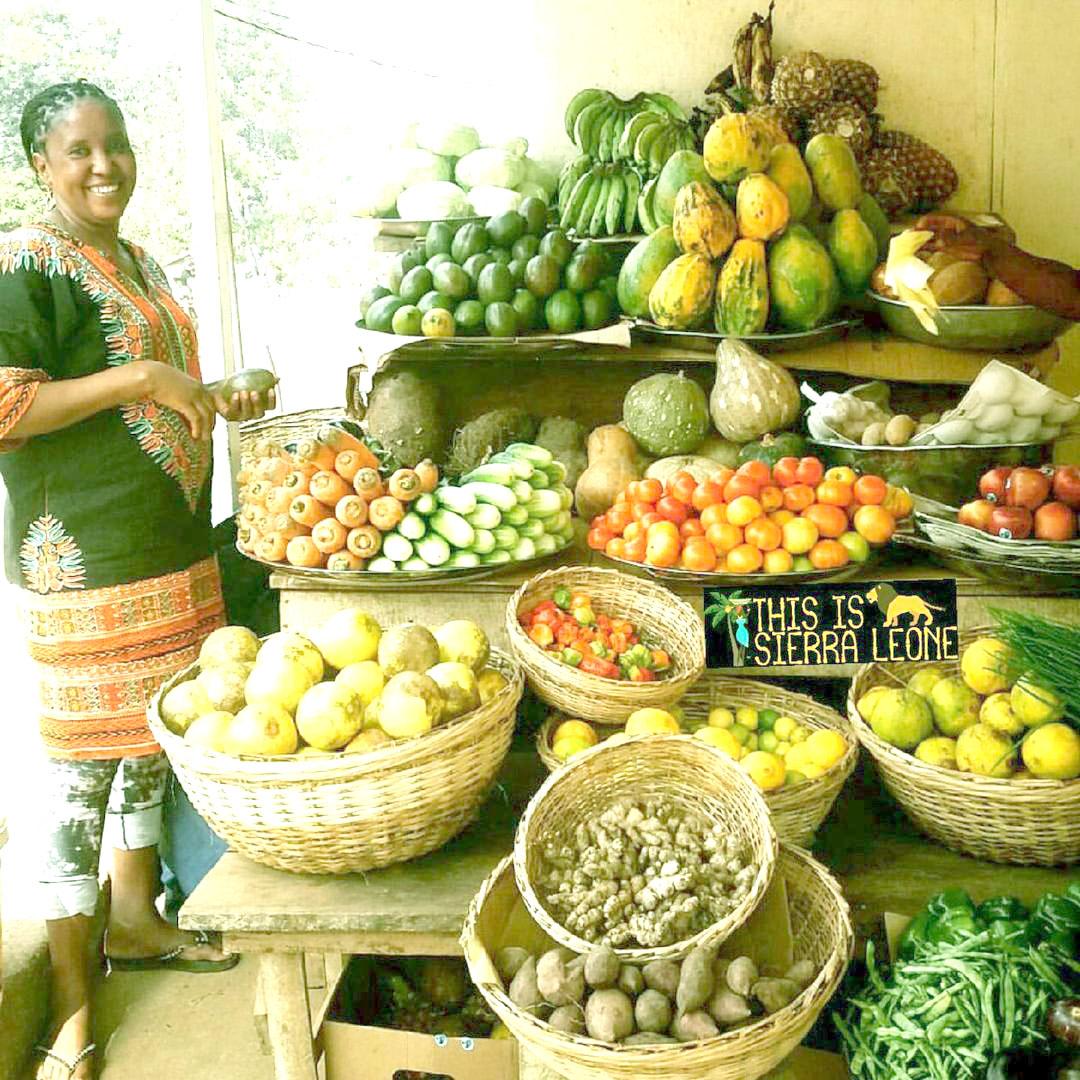
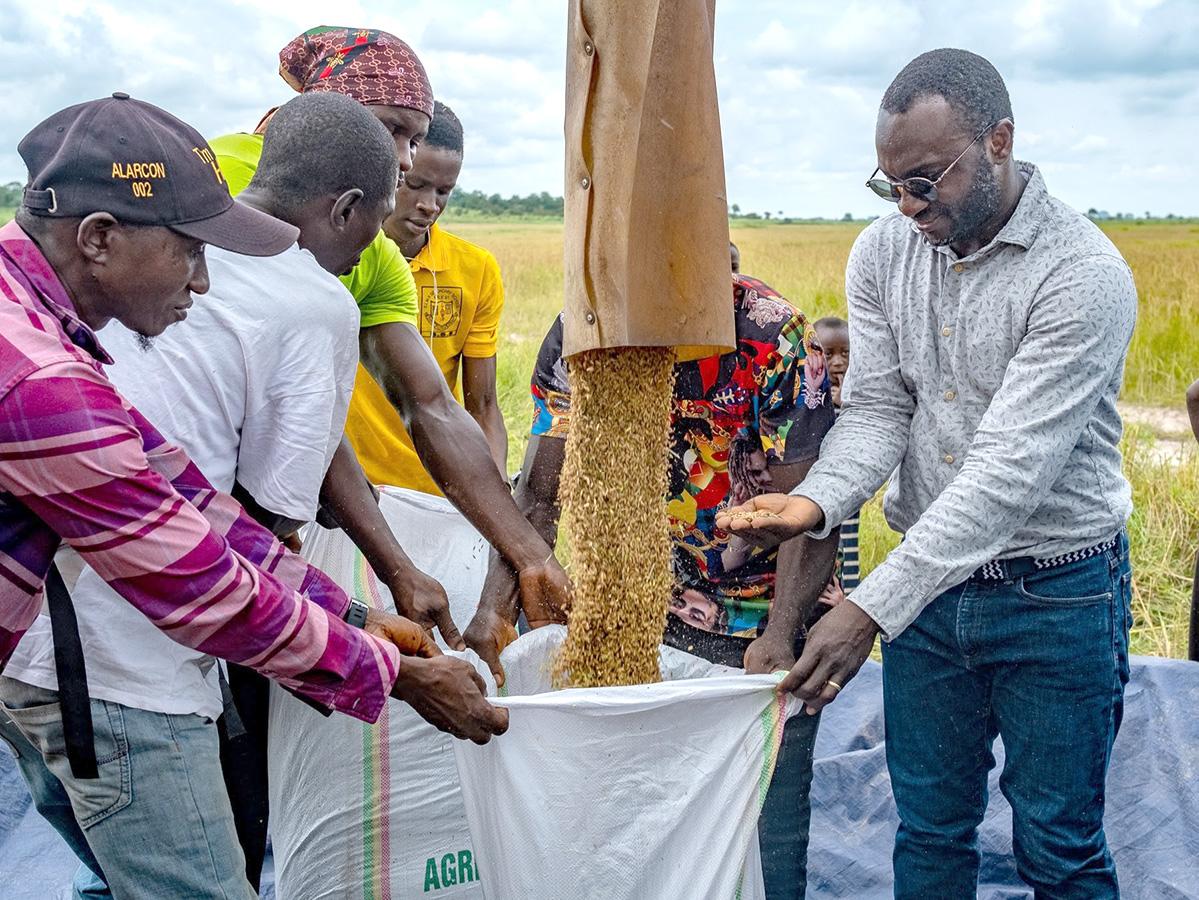
The economic policies of the Bio-led government, 2018 to date, have yielded positive results eight years on, despite chanllenges. When he first came to power in 2018, his first 100 days put a premium on Human Capital Development HCD, embedded in a National Transformation Program NAT, 2018-2023, with agriculture as an auxiliary pillar. HCD formed the main thrust of his economic policy during his first term in office. His second term, 2023-2028, is emphatic on agriculture, through the “Feed Salone” program to ensure food security.
Today, his economic policy has yielded positive results, with inflation declining to a single digit since April 2025, the exchange rate has been relatively stable, and domestic treasury bill rates have dropped at a sustainable pace.
Local food production, through Feed Salone program has increased, despite global uncertainties in 2025, and currently in 2026, particularly the ongoing US- Israel- Iran war.
Relative stability is currently sustained through ongoing prudent economic policies by the government, through implementation of a comprehensive Medium Term National Development Plan MTNDP, 2024-2030. The goal is to achieve structural transformation and reduce poverty by 2030, in line with the Sustainable Development Goals, SDGs. The main challenge is a global decline in Official Development Assistance, ODA, to all countries, particularly those in Sub-Saharan Africa, coupled with severe external calamities ongoing.
In this regard, the government is currently prioritizing domestic revenue mobilization through its National Revenue Authority (NRA) as a more stable and predictable source of financing model. This involves broadening the tax base, strengthening tax administration, and integrating the informal sector into the formal economy. This is crucially significant to increase revenue, improve lives and livelihoods of the people particularly the poor and vulnerable.
Additionally, it improves the fiscal space to address unforeseen development challenges, reduce dependency on external sources of support that are currently dwindling, due to wars, climate-change calamities and trade disputes.
This ugly economic atmosphere has resulted in global growth slowing down, from 3.3% in 2024, to 3.2% in 2025 and 3.1% in 2026. This slowdown has heightened global policy uncertainties and trade tensions in the world.
Like other African countries, Sierra Leone’s economy is diverse and multilayered. It is primarily hinged on the IMF, World Bank, and other multilateral development partners’ assessments and review frameworks. Like other African countries, the economy is tied to the Extended Credit Facility ECF program, a fund that provides financial assistance to countries with balance of payment deficits.
To tackle this ugly economic situation, resulting in donor fatigue, President Bio, eight years on, has slightly shifted away, looking increasingly inward, on virtually all economic fronts. It is this paradigm shift, eight years on, that makes the Bio-led government tick.
Impact of the US–Israel–Iran War on Sierra Leone’s Economy: Government’s Current Response Plan
Like COVID-19, which devastated the world, the ongoing war in the Middle East has spill-over effects on economies in the world. Sierra Leone and all other low-income countries are being adversely affected by the war. The relative stability of the economy is now under threat of being eroded.
The first sign of erosion is an increase in petroleum prices, as a result of an increase in international crude oil prices, especially gasoline and diesel.
Secondly, the Middle East conflict is also weakening public finances, with government expenditures on energy subsidies, goods, and services increasing.
Government Response Plan to the War
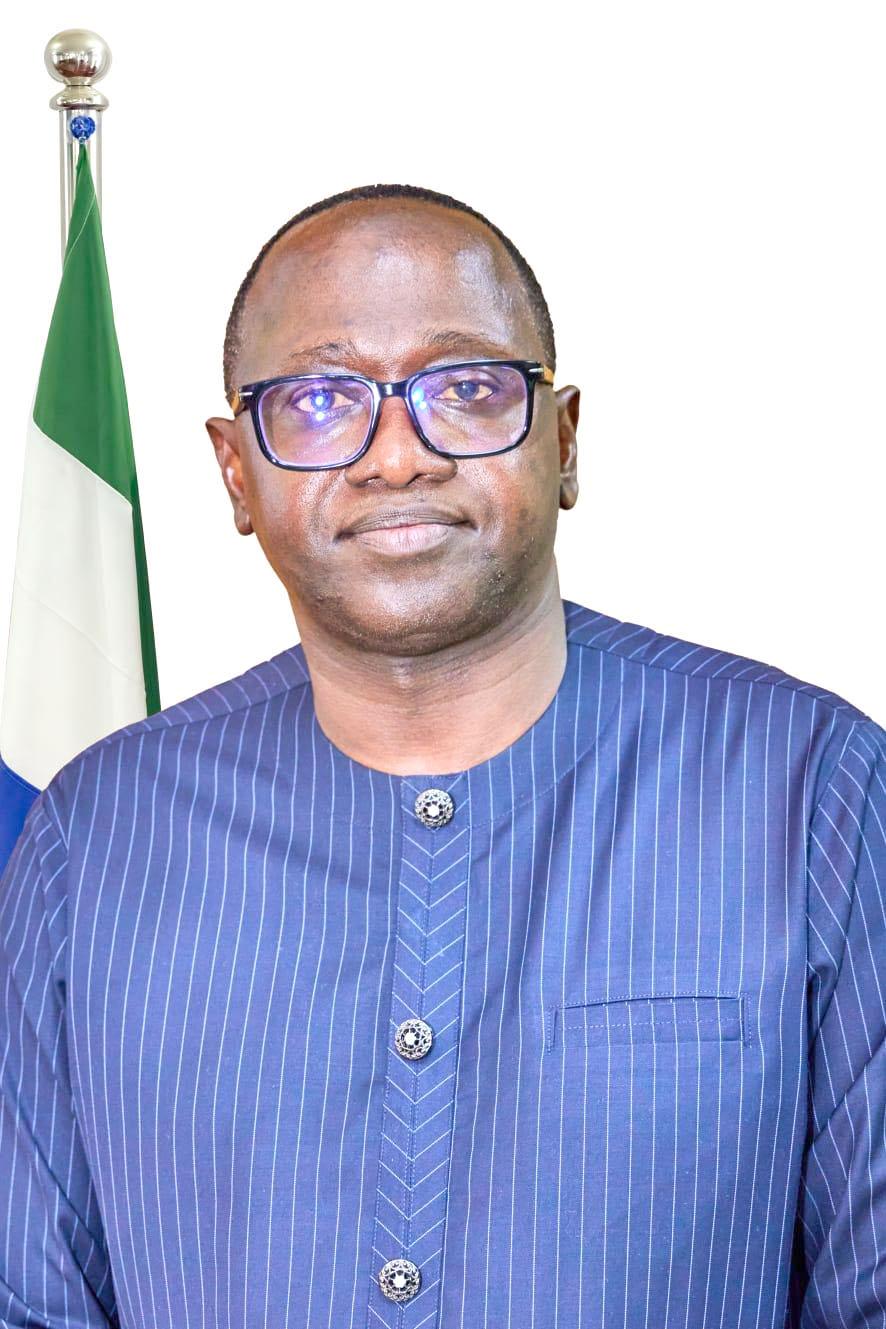
Minister of Finance, Sheku Ahmed Fantamadi Bangura, at the just-concluded IMF/World Bank Spring Meetings in Washington DC, presented the government’s response plans as follows:
Importing essential and strategic commodities like fuel, rice, flour, and fertilizer, and building strategic reserves, to ensure steady supplies and stabilize prices in the market.
- Protect the extremely poor and vulnerable persons, including the aged, youth, and school children, through social safety-net programs. These include school feeding, conditional cash transfers, and labor-intensive public works.
- Introduction of a temporary, integrated fuel subsidy to mitigate the sharp increase in fuel prices for the people.
- Replacement of general subsidies with targeted subsidies, like subsidized public and school bus transportation services.
Agriculture:
Since he came to power in 2018, President Bio’s government has initiated a 5-year National Transformation Program, NAT, 2018-2023. NAT laid a strong foundation for the prioritization of agriculture, with the sole aim of achieving food sovereignty for the people.
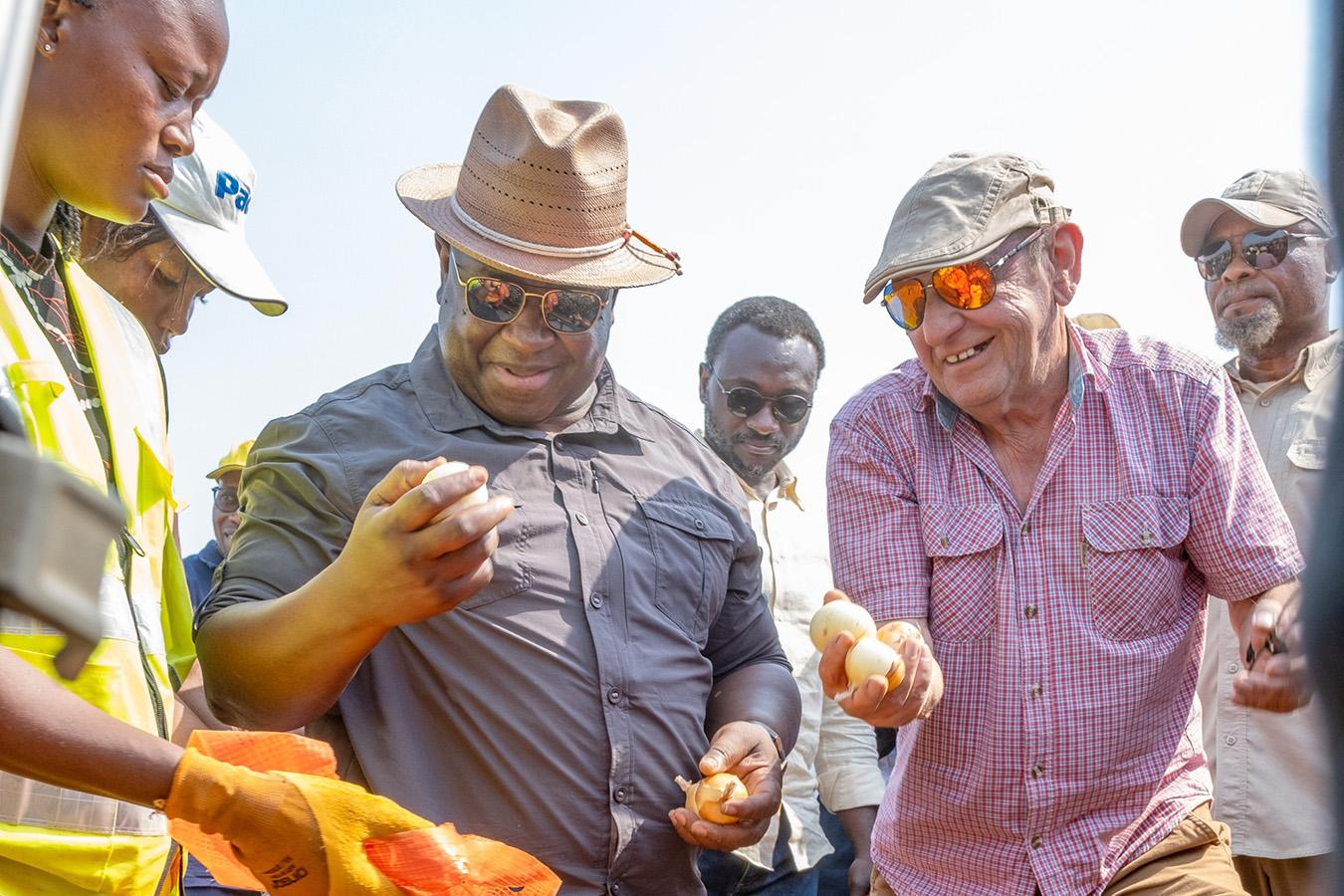
Later, “Feed Salone’’ Project became an offshoot of the NAT program, strengthened by the personal commitment and passion of President Bio, as the country’s chief farmer, fortified and guided by a strong presidential council, and executed by the country’s Ministry of Agriculture and Food Security.
Feed Salone is an all-encompassing, private sector- led program of local farmers and rice importers, with the overall objective to boost agricultural productivity, to ensure food security and inclusive economic growth.
Today, Feed Salone has expanded credit facilities to farmers across the country, through commercial banks, maintaining an interest rate in line with the Central Bank of Sierra Leone 10% benchmark. In addition, a 24-month additional grace period for agricultural borrowers is in place to ease the repayment burden on farmers and agribusiness.
Minister of Agriculture and Food Security, Dr. Henry Musa Kpaka, recently remarked, “The government is actively engaging commercial banks to widen financial opportunity for the agriculture sector”, noting that “85% of funds have already been accessed by agri-businesses. When the facility was first introduced, he further remarked, only two entities benefited, but today, 14 businesses have accessed the fund”.
The year 2026 has commenced on a strong footing for the agriculture sector in Sierra Leone. In partnership with the World Bank – supported FSRP program, the country is injecting 5.8 million dollars directly into 62 agribusinesses, particularly SMEs, through a matching grant scheme. The SMEs, which form the bulk of the population, are co-investing 1.25 million dollars.
This financing will boost competitiveness and profitability, with priority to processing, post-harvest management, mechanization, branding, marketing, and select production upgrades.
The finance strategy is to target, in 2026, value chains central to the food security agenda, including rice (22 SMEs), livestock/poultry (27), and cassava (13).To promote inclusive economic growth, 42% of the beneficiaries are women-owned businesses.
Half of these funds, according to the minister, have already been disbursed, with the balance to be realized, based on the progress of approved business plans.
The private sector is critical to sustaining gains in the Feed Salone program. This is deliberate, as the private sector is the engine of economic growth that will speedily transform the agricultural sector, from subsistence to commercial venture. There are also training programs to help farmers move from subsistence to profitable commercial enterprises. The agriculture sector is further strengthened by support from development partners through the Food and Agriculture Organization FAO. On March 17, 2026, FAO supported the ministry with 16 vehicles and 45 motorcycles to strengthen agricultural field operations nationwide.
On March 19, 2026, Minister Kpaka inspected 40 newly procured tractors at the Ministry’s engineering facility in Kissy, Freetown, ahead of the 2026 planting season.
Benefits of “Feed Salone”
According to the FAO, “the number of people estimated to be acutely food insecure in Sierra Leone has decreased by 400,000 between 2024-2025 lean seasons, rice self–sufficiency improved to 72.0% in 2024, from 67.5% in 2023. This is as a result of the transformative activities of the Feed Salone program, with a strong political will by the president.
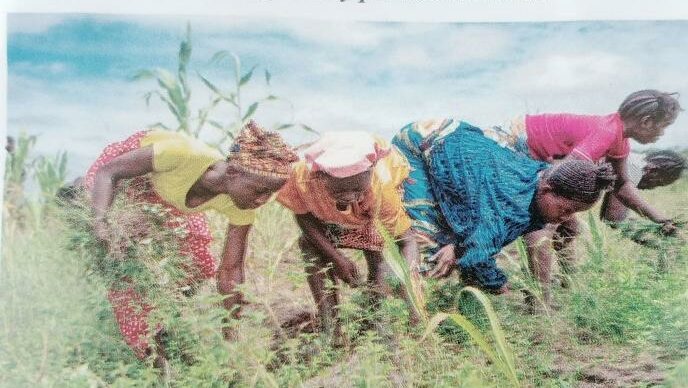
According to the World Food Program WFP Food Monitoring System survey, July 2025, the share of severely food-insecure households in Sierra Leone has dropped from 28% in 2023 to 13% in 2025, a 15% point reduction.
These surveys were independently conducted by FAO and WFP of the UN, with no government participation, inputs or acquiescence.
Sustaining economic stability in agriculture, through local initiatives like the Feed Salone program, with a relatively stable exchange rate of the Leone to the USD, by the Central Bank of Sierra Leone, is another significant stride of the Bio-led government at 8, as Sierra Leone clocks 65.
Education
Since 2018 to date, education has been a key component of the government, eight years on in power. It was well articulated during Bio’s first 100 days in office on 14th July 2018, as his initial flagship program. Since then, over $ 1.2 billion has been expended to improve access to quality education.
This has snowballed into improved pass grades in NPSE and BECE exams, in the last 3 years, averaging 79.2% and 93.3%, respectively.
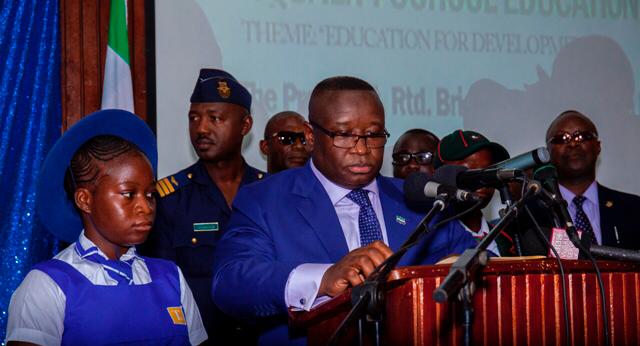
In 2025, there was a sweeping change in the training of 14,000 teachers in elementary learning on literacy and a recruitment of 200 resource officers to monitor learning observations in schools.
In 2026, efforts are ongoing to build a strong human capital foundation for children and youths, through support to the Free Quality School Education FQSE, through subsidies for pupils in primary and junior secondary schools, public examination fees for NPSE, BECE, and WASCE. School feeding programs will also be subsidized for pupils in government primary schools.
In 2026, 500 schools will be provided with electrification through mini-grid solar, with internet connectivity for digital literacy.
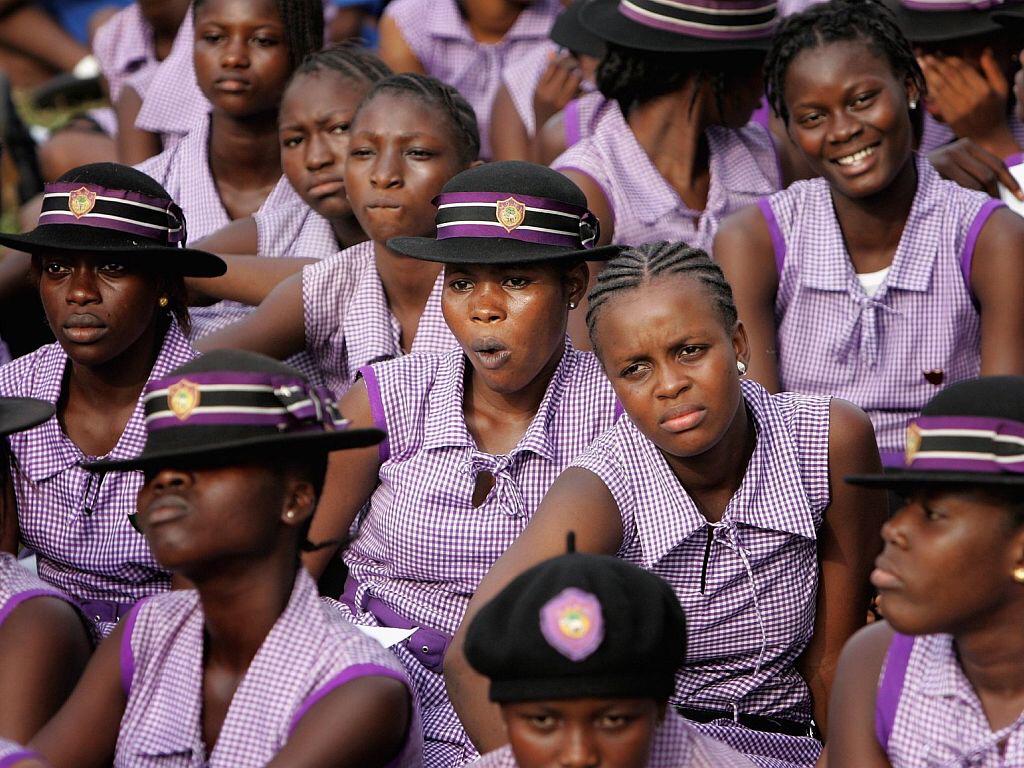
These steps are not limited to primary and secondary schools alone. Tertiary educational institutions are also empowered to bolster youths with world-class creative and innovative skills.
In 2025, there were remarkable achievements in tertiary education. For instance, Kono University of Science and Technology enrolled 374 students in the 2024/2025 academic year in ICT, Agricultural Science, Mining Engineering and Technology, Computer, and Environmental Science.
Government Technical Institute (GTI) was also constructed in 2025 in Mattru Jong, and rehabilitation and expansion of GTIs in Kailahun, Kono, and Kabala were achieved, each fitted with an 80 KVA generator, dormitories with persons with disabilities, and modern workshops.
The Student Loan Scheme was also rebranded, with 421 students benefiting from the scheme, primarily aimed at assisting students from poor parentage.
Health
Like education, health is another critical sector that touches the lives of the people. There have been significant investments to improve the health sector, resulting in the decreame of maternal mortality from 443 to 354 per 100,000 live births between 2020 and 2023, which is surprisingly below the Sub-Saharan Africa average of 553. Infant mortality rate also declined from 70 to 56 deaths per 1,000 live births. Life expectancy improved from 54 to 62 years, ahead of the government target of 57.
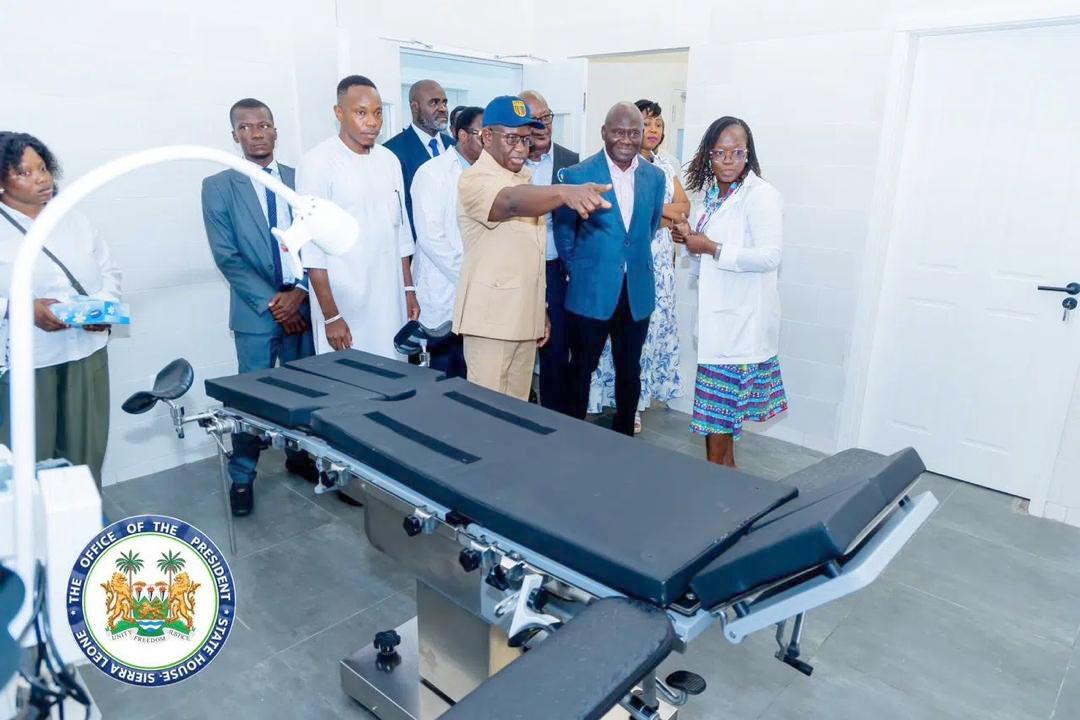
Despite severe challenges, particularly external donor fatigue, due to a decrease in external development assistance, there were the commissioning of maternal centers of excellence and installation of solar power service to 97% of Government hospitals and 300 Periphery Health Units nationwide. To reach remote rural areas, mobile clinic bus services have been expanded to ensure access to health services. There is also a commitment by the government to continue to support the free health care initiatives, to improve access to basic health care for under- fives, pregnant women, and lactating mothers.
The Bio-led government, during COVID-19, when the entire world was raging, did achieve some economic strides, with the implementation of the Quick Economic Response Program, QERP, to bolster households with necessities, importers and exporters with incentives to sustain their businesses. Despite COVID-19, President Bio met his 2020 delivery targets.
Energy
Like other African countries, this sector is the most challenging, herculean and perennially problematic for all past governments, including the Bio-led Government, 2018 to date. This is due to its complicated engineering profile, routine decline in Hydro Dam Water level in the dry season, and inadequate external support, through the Millennium Challenge Corporation (MCC), World Bank, African Development Bank, and several foundations, to tackle energy poverty in Africa at large. All African countries, including the continent’s powerhouses like South Africa, Nigeria, Ghana, and others, are routinely experiencing power challenges.
After a thorough review of the MCC Compact Portfolio by the US government this year, the Sierra Leone Power Compact was approved, among five in Africa, to proceed to the implementation stage. The review was a result of confidence-building of the Bio-led government to deliver results. An implementation body, Millennium Challenge Authority (MCA, has been set up, with recruitment of staff and procurement of critical services ongoing.
Mission 300 Energy Compact, an initiative by the World Bank, African Development Bank, and several foundations, was endorsed last year. This is a partnership to tackle energy poverty in Africa at large. The ultimate goal is to increase access to electricity to 78.0%, with an investment of 2.2 billion dollars over the next 5 years.
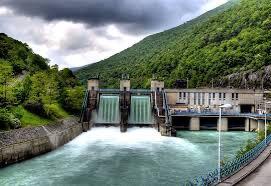
Currently, there is a rationing of electricity due to a fall in the Bumbuna hydro dam in the dry season, according to a press release by Sierra Leone’s Electricity and Distribution Service Authority, EDSA, with normalcy soon in supply distribution.
24-Hour Light Early 2027
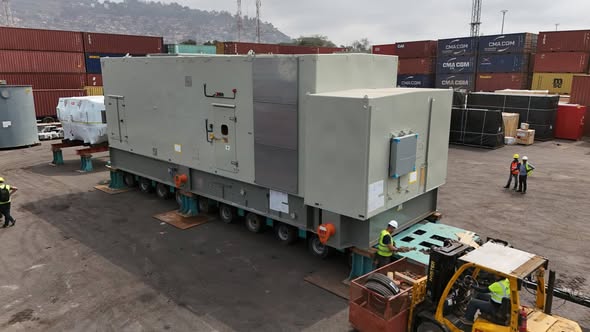
On April 18, 2026, the first turbine of the 108 MW Nant Power Plant arrived at the Kissy site in Freetown.
Nant faced delays under the previous government 13 years ago, but was revived after 2018 when President Bio came to power.
Phase 1 will deliver 70 MW by May 2027, while the full 108 MW is expected by September 2027. It is expected to provide 24-hour light nationwide, augmented by the Bumbuna Hydro Dam, with the possibility of export to neighboring countries
This is the first independent power producer of this scale since independence on April 27, 1961.
When President Bio spoke at the opening of the International Vienna Energy and Climate Forum in Vienna, Austria, on 9 April 2026, he said, “Sierra Leone is committed to energy sector transformation through the Mission 300 initiative, supported by the World Bank and the African Development Bank.”
Roads, Bridges, and Infrastructure
Infrastructural development in roads, bridges, and technology is catalytic to rapid economic growth. Since 2018 to date, this sector has received a massive boost in the reconstruction and rehabilitation of roads and bridges nationwide. However, there was a review on spending on roads, accounting for a huge chunk of the domestic capital budget. There was a comprehensive review in 2025, in spending on roads, leading to a slowdown in projects implementation.
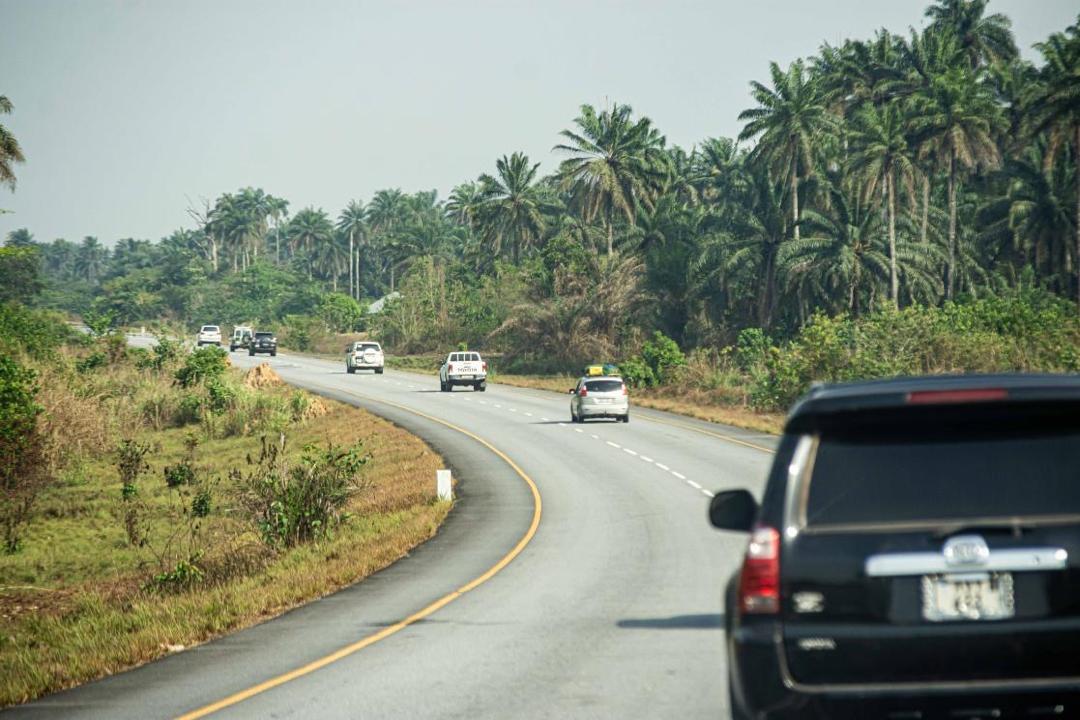
In 2026, priority roads will be completed, as part of the Public Investment Program PIP, to fast-track the movement of people and goods, inter-district connectivity, and regional integration.
Trunk and Feeder Roads are prioritized, especially roads leading to markets and agriculturally productive areas. Bridges, to replace non-motorized ferries, along coastal areas, are also prioritized, to bolster trades, particularly farm products and services
In this regard, a total of NLE 792.3 million is allocated to the Sierra Leone Roads Authority (SLRA) from the domestic capital budget, for the reconstruction and rehabilitation of roads and bridges nationwide.
This amount covers the reconstruction of roads, including the Kabala-Falaba-Limbaya junction-Guinea border road. Bandajuma-Pujehun- Gbondappi road, Kambia- Madina-Kukuna-Konta-Guinea border road, Moyamba-Sembehun-Shenge road, and construction of Mano Junction-Tongo-Kangama-Bompeh road. It also involves the rehabilitation of Jojoma and Geoma Bridges.
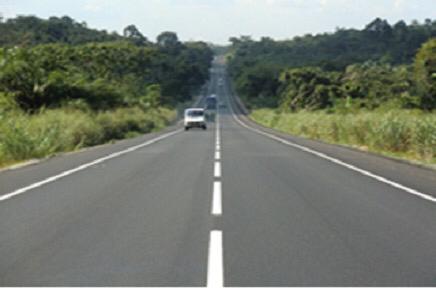
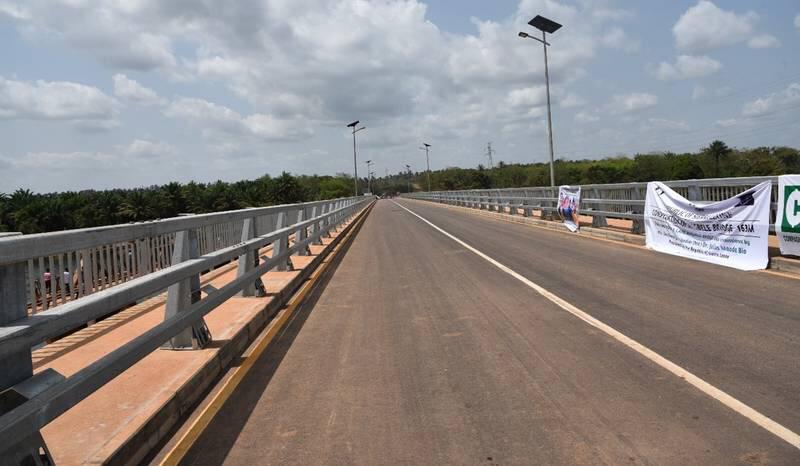
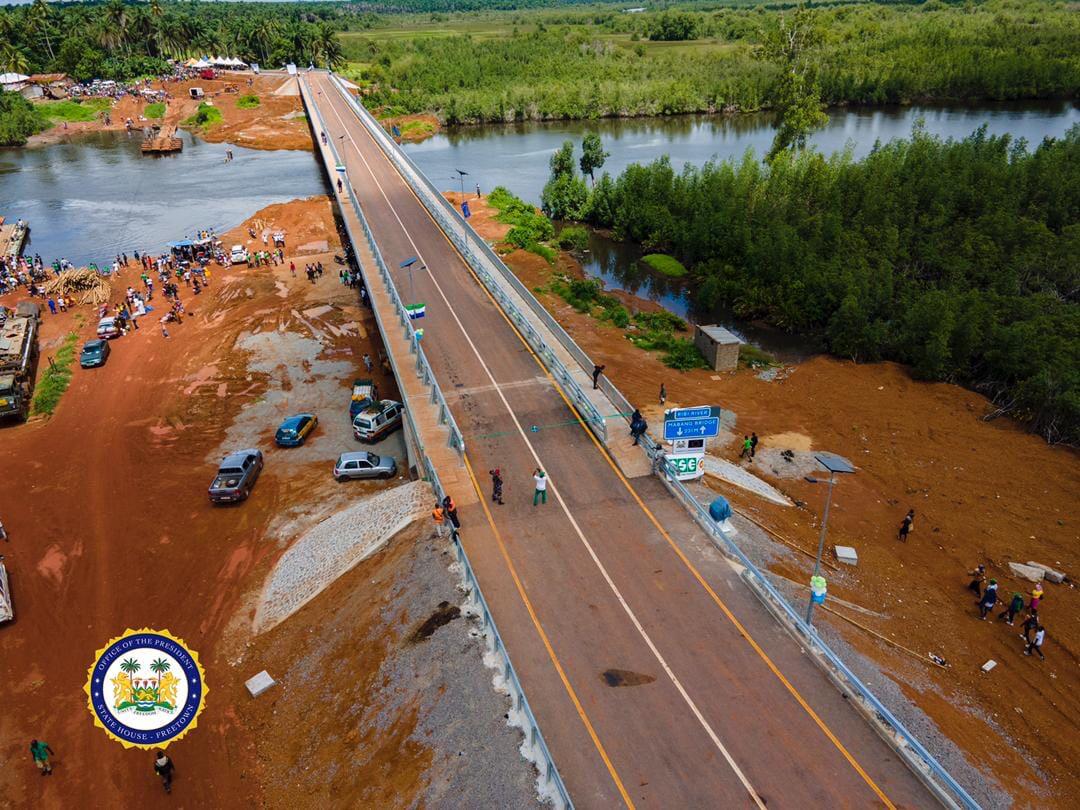
The amount also covers rehabilitation of city and township roads in Makeni, Bo, Kenema, Moyamba, Pujehun, Bonthe, Mattru Jong, Kambia, Tihun, and Western Area Urban Rural key streets. These include Macauley Street, High Broad Street, Leicesster Road, Southridge Road, including township roads in Waterloo, Hastings, Jui, and Tombo.
Apart from the domestic capital budget, the Bio-led government also gets support from multilateral development partners, like AfDB, World Bank, BADEA, and IsDB, toward the construction of roads and bridges, including Tikonko-Kpetema-Mattru Jong Road and Kambia-Tomparie-Kamakwei Road. The support also includes the Sierra Leone Connectivity and Agricultural Market Infrastructure Project CAMIP, for 3 bridges in Moselulo, Komrabai, and Sumbuya, with government counterpart funding.
Transport, Aviation, and Communications
This sector has realized a dynamic transformation, like in other African countries. Since he came to power in 2018, the sector was evolving, with the merging of Transport and Aviation into a single ministry, while Communication was integrated with the Information ministry, since the government of late President Ahmad Tejan Kabbah.
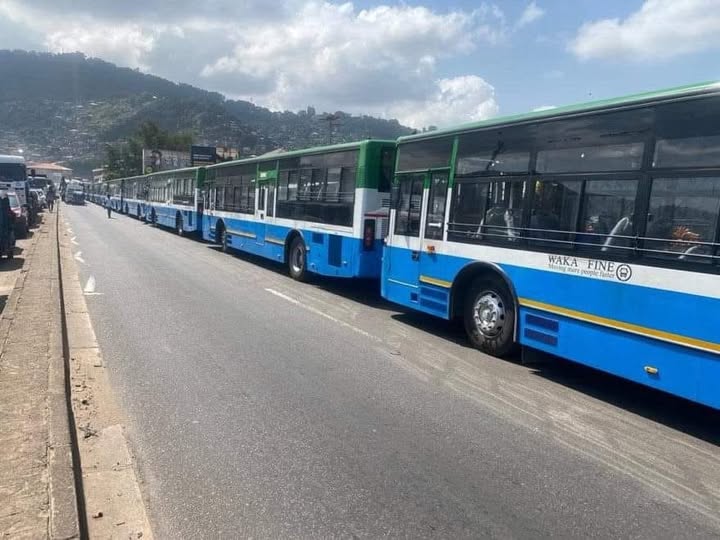
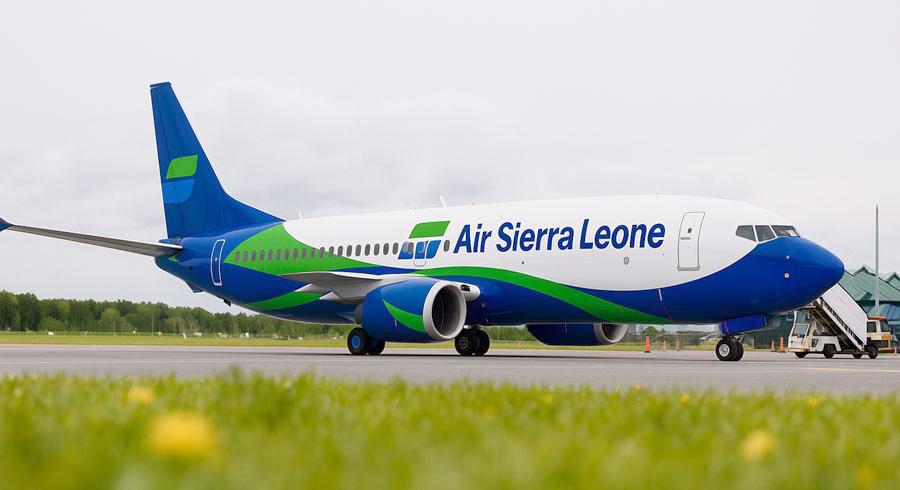
Today, the sector has been further bolstered. The transport sub-sector is thriving, with private operators, as concessionaires, and the Sierra Leone Ports and Harbours Authority, SLPHA, as Landlord, at the Sea Port, thereby promoting efficiency. On the road service, the bus service, ‘Waka Fine’, is spectacularly successful, even to private vehicle owners. The new international airport is a marvelous edifice. Air Sierra Leone has commenced operations on the regional and London route.
The communications sector, too, has grown strong and virile. There is a signed up ECOWAS Free Roaming Agreement FRA with Liberia, The Gambia. Guinea and Cote D’Ivoire, to reduce roaming cost, thereby promoting economic and digital integration.
Though with a few challenges, like network delays and hitches, as in other African countries, the sector has witnessed growth. There is a laudable proposal to establish 16 digital learning hubs across all districts. This will provide training for over 2,500 youths in emerging technical skills to boost their digital capacity.
Foreign Affairs
Since 2018 to date, the Bio government has been proactive in its foreign relations profile. It became resoundingly visible and active when President Bio became ECOWAS Chairman on June 22, 2025, taking over the mantle from Nigeria’s President Bola Ahmed Tinubu.
Bio’s stewardship as ECOWAS Chairman was tasked with four strategic priorities: “Restoring Constitutional Order and Deepening Democracy, in a region now widely acknowledged as the coup belt; Revitalizing Regional Security Cooperation; Unlocking Economic Integration; and Building Institutional Credibility’’.
President Bio, in his acceptance speech, as the new ECOWAS Chairman, remarked that he acknowledged the huge tasks ahead, with the full awareness of the magnitude of the tasks and the complexities of the challenges in the region.
Almost a year now as Chairman of ECOWAS, President Bio has undertaken a string of diplomatic engagements to neighbouring Guinea, Equatorial Guinea, Guinea Bissau, Benin, to restore constitutionality in these countries. His recent diplomatic shuttles to Guinea led to a peaceful election and a transition from military rule to a civilian administration. The same in Benin recently held its elections, with an attempted coup a few months ago. Chairman Bio is still engaging with the military leadership in Guinea-Bissau on a peaceful civilian transition to democratic rule.
Bio’s leadership at ECOWAS, in meeting the four tasks on his acceptance speech as chairman, is a dynamic stride in his foreign policy direction, eight years on in power, as the country celebrates 65 years of independence.
However, ECOWAS is currently engulfed in existential crises of coups and insecurity. Mali, Burkina Faso, and Niger have exited the ECOWAS bloc to form the Alliance of Sahel States, AES (French: Alliance des États du Sahel). The Bio-led ECOWAS inherited these crises. His military background, anchored on his skillful diplomatic prowess, is a plus to his chairmanship tenure, in a region currently enveloped in crises.
Mining
Sierra Leone is a country rich in virtually all minerals in the world, but there is an imbalance in revenues derived from the mineral deposits. There is a strong commitment to correct this imbalance, to bolster revenue mobilization from mineral resources. In 2024, for instance, Sierra Leone’s total mineral exports were 1.2 billion dollars. Government revenue from royalties and licenses was just 43.3 million dollars, about 3.6% of total exports.
To correct this imbalance, the Bio-led government has established the Sierra Leone Mines and Minerals Development and Management Corporation (SLMMDMC) and Mineral Wealth Fund (MWF). These entities are geared to increase financial returns to the government through direct operations, equity participation, and dividends, taking cognizance of value addition. Another goal is to build multi-purpose infrastructure with strong economic parameters in all sectors. Today, the MWF is actively advancing the Tonkolili-North project. The fund is also committed to investing in new mining, rail, and port facilities. The first shipment of iron ore will be at the end of 2026. Both SLMMDMC and MWF are operating on the principles of transparency, accountability, and good governance, in line with international best practices. The ultimate goal of these twin strategies is to benefit the people from their mineral wealth, promote good governance, and improve government revenues
Trade and Industry
The bulk of Sierra Leone’s trading population, about 70%, falls within the Small and Medium Enterprises, SMEs, mainly domiciled in the urban cities. The government is bolstering the sector to grow maximally, with an allocation of 2.0 million NLE to the Small and Medium Enterprises Agency SMEA.
The industrial sector of the economy, though still in its infancy, is growing and thriving. Since he came to power in 2018, there has been the establishment of about 30 industries in the country, particularly agro-processing, like juice and steel processing, like nails. Others include soap, detergent, matches and other industries producing household utensils.
Fisheries and Marine Resources
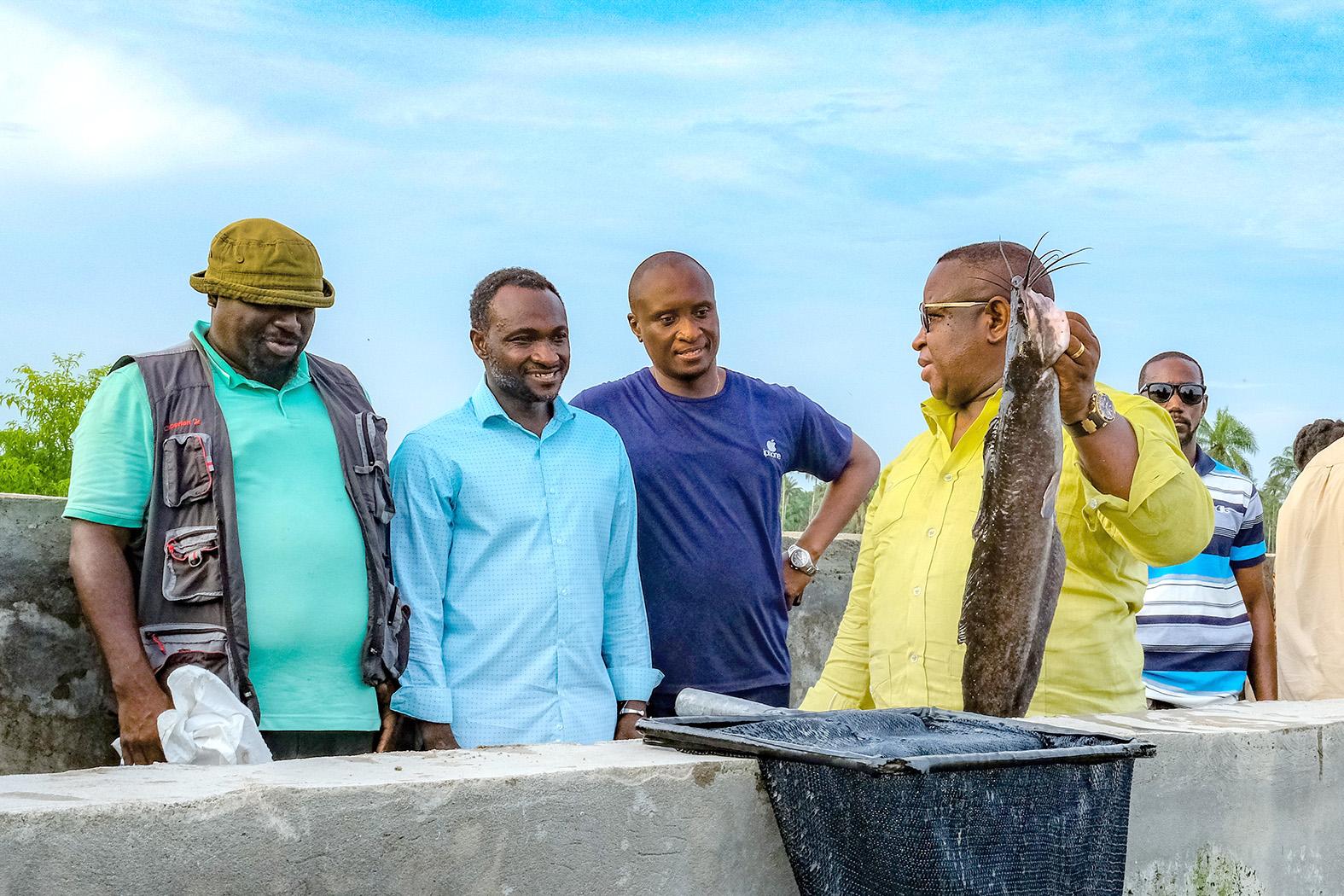
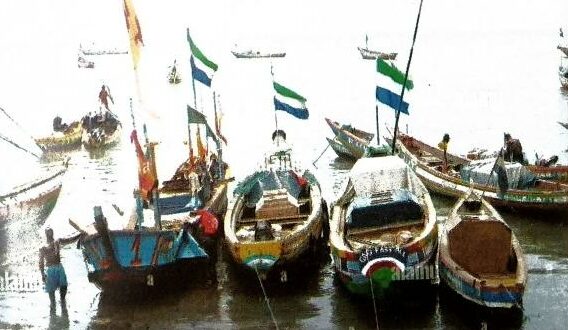
The Bio-led Government, since 2018 to date, has put a premium on this sector. Freetown, the capital, is a peninsula, surrounded by coastal line. In collaboration with the Chinese Government, 170.4 million NLe will be disbursed for the construction of a fish harbor. Government counterpart funding to the project is 49.0 million NLe. The fish harbor will be a revolution, to process, transform and add value to fish stock, for domestic consumption and export. This will provide employment opportunities to youths and women, who constitute the bulk in this sector.
Tourism
Sierra Leone is a tourist delight. Freetown, the capital city, is a peninsula, dotted with white sandy beaches. The breathtaking landscape is another natural topographical beauty. The tourism sector is a sleeping giant, as it has been dormant many years ago.
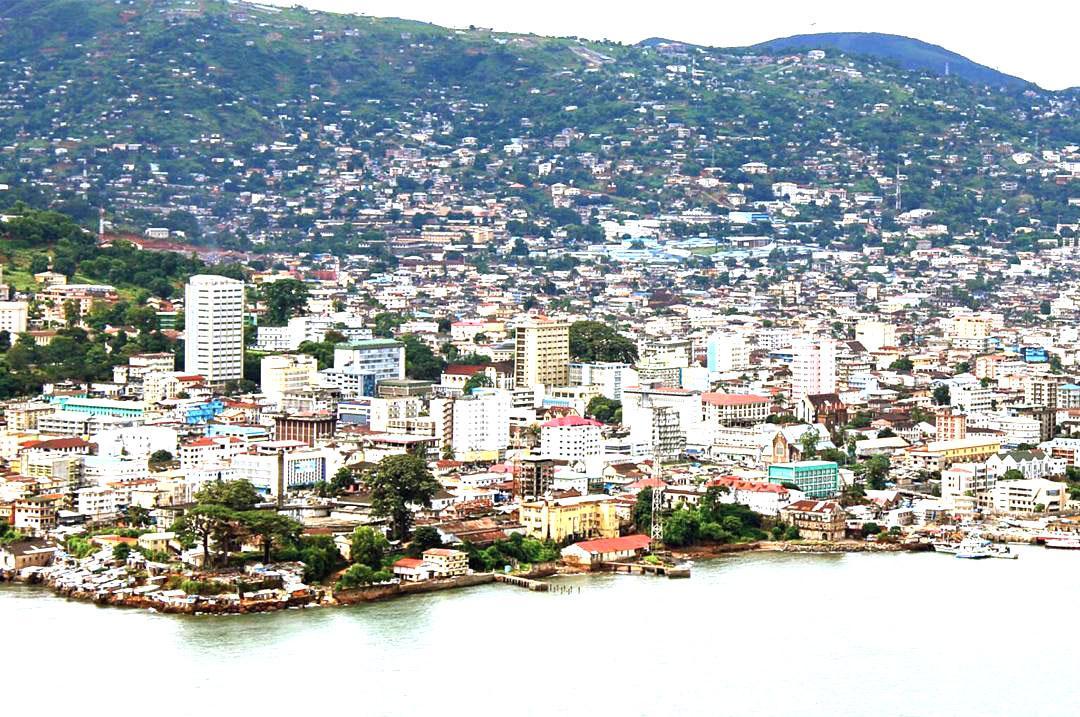
It took a new turn when the government, in collaboration with the World Bank, is investing 65,5 million NLe into the tourism sector, under the Sierra Leone Economic Diversification Project, to complete the construction of the tourist sites at Leicester Peak, Tacugama Sanctuary, and Bureh Beach. Government counterpart funding is 1.5 million NLe into this project that will turn around the tourism sector, in both revenues and employment opportunities.
Religious Tolerance and Harmony
Sierra Leone is a religiously tolerant country. Muslims are married to Christians and live together harmoniously. During weddings, couples enter mosques and churches, almost simultaneously, with no hitches. Wedding bells ring in churches, followed by Koranic recitations in mosques for the newly wedded couples.
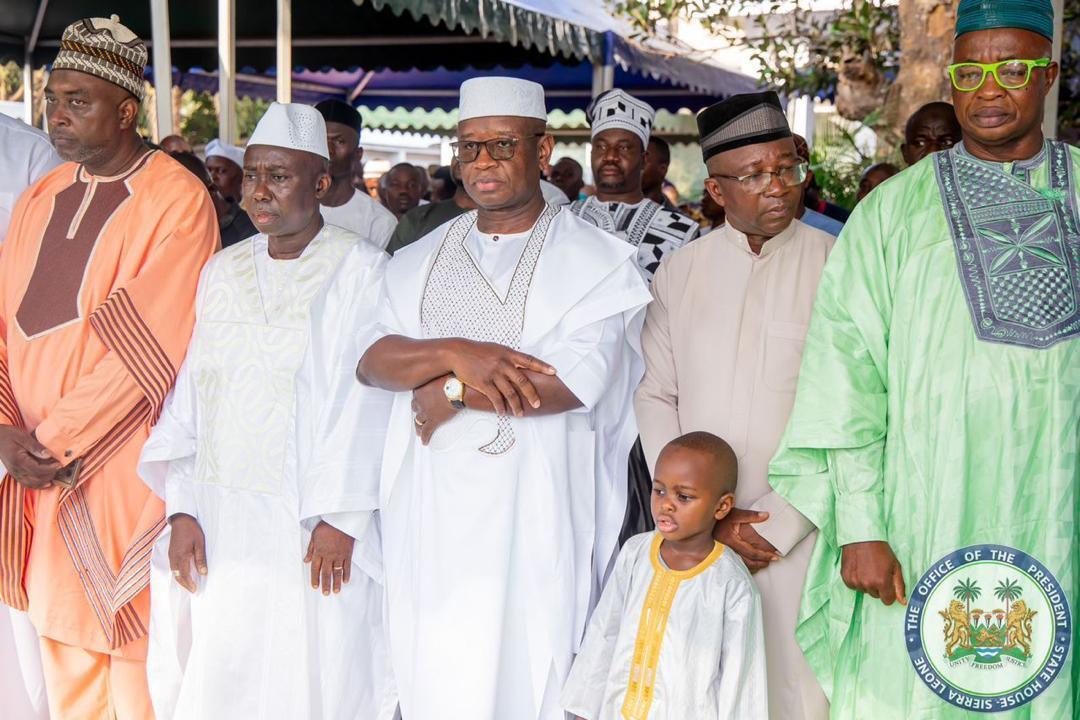
Virtually, all the Presidents attend both mosques and churches, despite their religious beliefs. This has promoted religious harmony in the country. It is under President Bio that this religious harmony is more prominent. A devout catholic, he attends Muslim prayer ceremonies, like the recent Eid Fitri prayers. He is married to a devout Muslim, Fatima Bio.
Climate Change and Environment
Climate calamities and environmental degradation are the current global conversations among leaders in world fora. The severity of the sector is enormous. Sierra Leone, particularly Freetown, the capital, is prone to climate calamities and environmental hazards.
To counter these existential climate challenges, the Ministry of Environment and Climate Change was created, with its core activities decentralized to district levels. New entities were created in the ministry, like the Nuclear Safety and Radiation Protection Authority, National Protected Area Authority, in addition to the already existing Meteorological Agency, to give early warnings and tackle climatic disasters in the country.
Challenges
Like other countries, the Bio government, eight years on, is challenged by global uncertainties, through trade and tariff wars and natural calamities. These, inevitably, affect exports of commodities like iron ore, gold, and diamonds, due to weak demand in the international markets. Decline in growth in developed countries also affects Sierra Leone, particularly remittance flows, thereby reducing consumption levels in the country.
Another challenge is meeting domestic targeted revenues, to address critical and competing demands in the economy, like roads, water, energy, health, education, and other infrastructural amenities.
Put on the pendulum, the Bio-led government, 2018 to date, has scored a pass mark, in virtually all economic parameters, from data obtained by this medium, from independent international agencies of the UN, and other multilateral agencies like AfDB, IsDB, BADEA, and other international stakeholders.
There are existential challenges facing the Bio-led government, both domestic and external, for eight years since he assumed power. The capacity to counter and overcome these burning challenges by the government, both local and international, for the benefit of the people, makes the Bio government tick. The economic strides, during the peak of COVID-19, when the whole world was ravaged by crises, complied with current response by his Government on the on-going Iran war, are the unique strides of his administration, to counter challenges, as he clocks eight year in power and as the country celebrates 65 years of independence from Great Britain.
Leave a Reply