

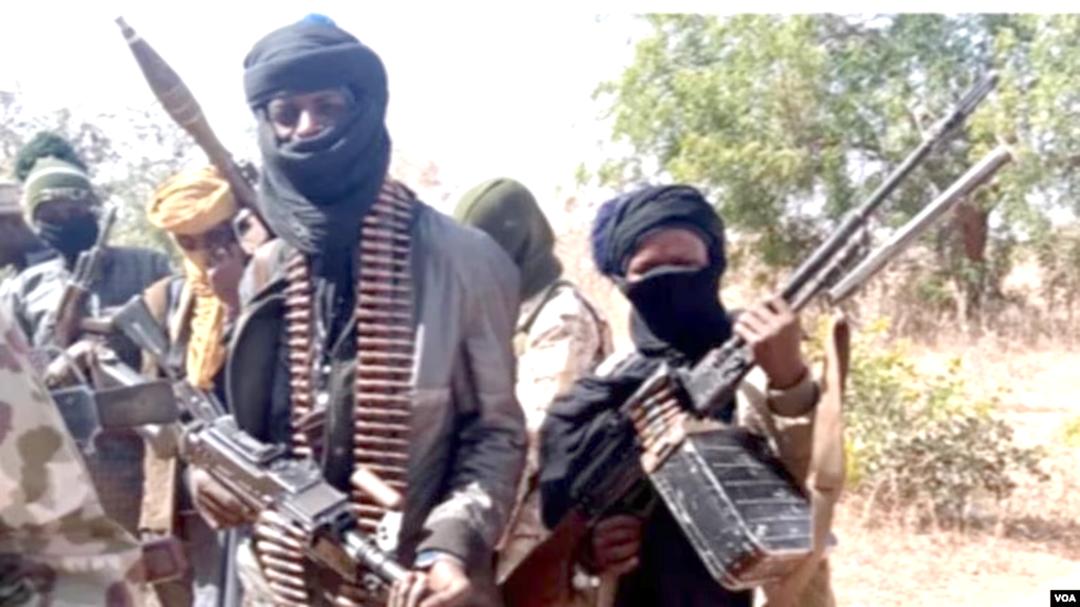
As bandits, terrorists, kidnappers, and other violent actors wreak havoc on Nigerian communities, the government, in concert with the United States, tightens the pincer on them
By Richard Elesho
Stakeholders from the Bunu District of Kabba-Bunu Local Government Area in Kogi State could barely contain their grief. Led by a clergyman and President of the Bunu Development Association, Pastor Bolorunduro Johnson Kolawole, they gathered in Lokoja on Friday, 30 December 2025, not in celebration, but in mourning. As the year wound to a close, they emerged from hiding to recount stories of terror that had shattered their communities.
Their accounts painted a grim picture of life under siege. Armed non-state actors—variously described as bandits, terrorists, or unidentified gunmen—had turned daily existence into a nightmare. Illegal mining, killings, kidnappings, rape, and the violent seizure of ancestral lands had become commonplace. According to the community leaders, at least 32 Bunu indigenes had been killed in recent months, while more than 70 others languished in captivity over Christmas, held for ransoms totaling N100 million. Entire villages had been emptied, with residents fleeing 21 of the district’s roughly 40 communities.
Fighting back tears, Pastor Kolawole appealed to the federal government. “Enough is enough,” he said. “What is happening is a war beyond us. We are tired of burying our people.”
Events soon confirmed that the situation was even more dire than initially described. After bandits agreed to release 38 abductees in exchange for N15 million raised by the community, only seven were returned. Two were dead on arrival; others were critically ill. One more died shortly after reaching the hospital.
The abduction had occurred on Sunday, 14 December, at the Evangelical Church Winning All (ECWA) in Aiyetoro-Kiri, an agrarian Bunu settlement. Worshippers were ambushed as they exited the church. Gunmen killed three people on the spot, wounded several others, and abducted 38 into the surrounding forest.
“Our people are exhausted,” said David Amupitan, an indigene of the area. “We are tired of selling our property to pay ransom and living in constant fear while those in authority appear indifferent.”
A Deepening Crisis
Nigeria’s insecurity crisis is not new, but its scale and brutality have worsened over the last two decades. Conflicts between farmers and herders, separatist agitations in the southeast, and the rise of extremist groups have long strained the state. Yet the current wave of violence—marked by mass kidnappings, religious attacks, and territorial occupation—has pushed the country to the brink.
Nigeria now ranks among the most terrorism-affected countries globally. Since 2007, more than 50,000 lives have been lost to terrorism, with millions displaced. The insurgency gained global attention in 2009 with the emergence of Boko Haram, founded by Mohammed Yusuf. Initially concentrated in Borno State, the group escalated its campaign through bombings, school attacks, and mass abductions.
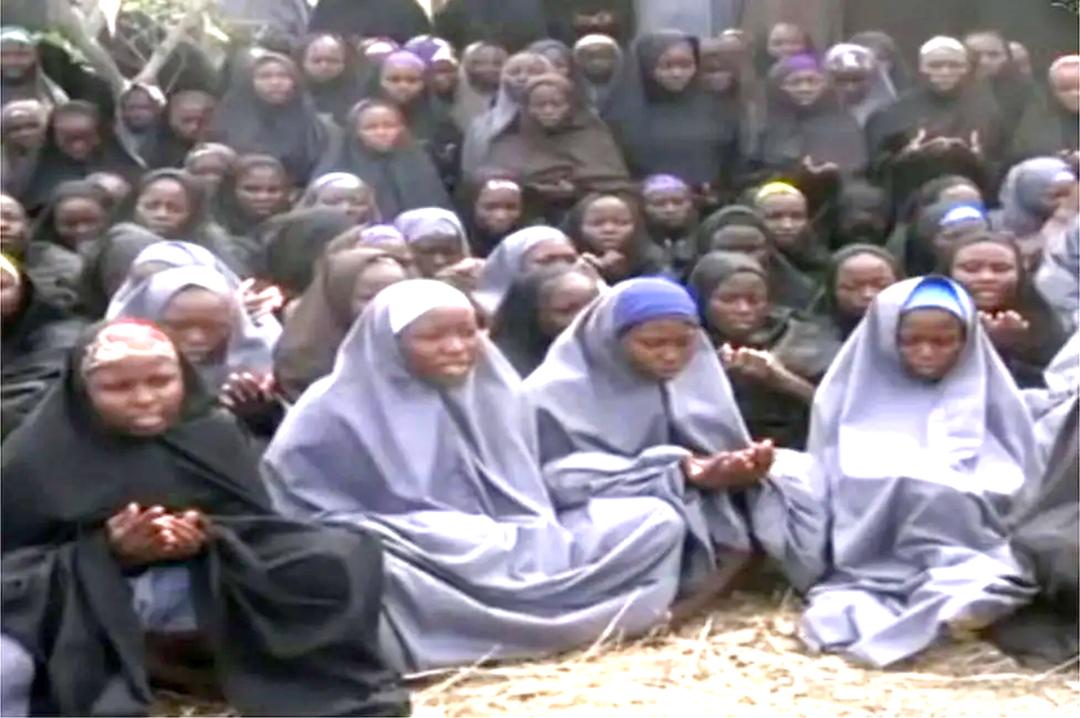
The 2014 kidnapping of 276 Chibok schoolgirls remains one of the most notorious acts of terror in Nigeria’s history. Four years later, 107 girls were abducted from a school in Dapchi, Yobe State. All but one—Leah Sharibu, who reportedly refused to renounce her faith—were later released.
Over time, Boko Haram splintered. One faction evolved into the Islamic State West Africa Province (ISWAP), aligning with international jihadist networks. Others morphed into loosely organized bandit groups involved in cattle rustling, kidnapping, and village raids. New groups, such as Lakurawa, emerged in the northwest, expanding the geography of terror.
As these groups spread southward into the North-Central region, states such as Plateau, Benue, Niger, Kwara, and Kogi experienced escalating violence. Attacks have also spilled into southern states including Ondo, Ekiti, Edo, and Delta. Vast forest reserves, often poorly governed, have become safe havens for criminal networks, aided by local collaborators who supply food, fuel, and intelligence.

Shadows of Terror
Nigeria has not witnessed such widespread fear since the civil war of 1967–1970. Today, entire communities live under the constant threat of attack. Benue State, for instance, hosts hundreds of thousands of internally displaced persons. In June 2025, a militia attack in Yelewata, Guma Local Government Area, left an estimated 200 people dead and displaced thousands more after markets and homes were burned.
One of the most alarming incidents occurred in November 2025, when 303 students and 12 staff members were abducted from a Catholic school near Kainji Lake—the largest single abduction in Nigeria’s history. The incident forced the closure of public schools across the state.
Places of worship have increasingly become targets. In November, gunmen attacked a Christ Apostolic Church in Eruku, Kwara State, killing three worshippers and abducting 35 others during a thanksgiving service. Days later, another church was attacked in Ejiba, Kogi State, where a priest and his wife were kidnapped and held for ransom.
Edo’s Silent Tragedy
Edo State has recorded a surge in kidnappings, particularly along highways in Edo North and Edo South. Police authorities reported the arrest of 171 suspects and the rescue of 377 victims in 2025 alone. Still, many victims were either killed in captivity or released only after paying enormous ransoms.
A particularly tragic case involved the abduction of two brothers in Auchi in January 2026. One, a young medical doctor, remains in captivity. The other was killed before ransom could be raised. Their mother, in a widely circulated video, pleaded publicly for help to save her remaining son.
An Ongoing War
Nigeria’s war on terror is complex, multifaceted, and far from over. While military operations and international partnerships—particularly with the United States—have intensified, communities continue to pay the heaviest price. From churches to schools, from farms to highways, ordinary Nigerians remain trapped between violent extremists and an overstretched security apparatus.
What is unfolding is not merely a security challenge but a humanitarian emergency. As communities cry out for protection and justice, the central question remains: can the state restore safety, reclaim its territories, and end the cycle of fear that has gripped the nation for far too long? “He is still in their den. Delay could be dangerous; I don’t want this one to be killed. The international community should please assist me to bail my son out. He is a medical doctor serving the nation.”
In sections of Katsina and Kano States, armed criminal groups have effectively erected parallel systems of authority. These gangs impose their own rules, dictate conduct, and levy illegal taxes on vulnerable communities. Sugarcane farmers reportedly pay as much as N50,000 per acre to continue farming. Failure to comply often invites violence or expulsion.
The bandits are deeply entrenched in forest strongholds such as the Rugu Forest in Faskari Local Government Area of Katsina State and the Falgore Forest in Doguwa Local Government Area of Kano State. From these hideouts, they enforce illegal farm levies and terrorise communities. The psychological and economic toll has been devastating, forcing many farmers to abandon their livelihoods entirely.
Dialogue with the Devil?
Overwhelmed by the scale of violence, the Katsina State Government turned to dialogue. Authorities initiated negotiations with bandit leaders, a move that included the controversial release of about 70 detained bandits.
The Commissioner for Internal Security and Home Affairs, Nasir Muazu, explained that the initiative was designed to consolidate peace accords already reached between affected communities and “repentant” bandits across multiple local government areas. According to him, the peace framework spans at least 15 LGAs and has contributed to the release of nearly 1,000 abducted victims.
However, public trust was shaken when a letter dated January 2, 2026, marked “SECRET,” surfaced online, revealing details of the arrangement. Critics argued that negotiating with criminals legitimises violence, while supporters insisted it was a pragmatic response to an extraordinary crisis.
Fear Spreads Southward
While northern communities struggled with entrenched banditry, new fears emerged in the southwest. On January 10, 2026, a chilling notice appeared in Ikoyi-Ile village in Oriire Local Government Area of Oyo State. Written in both Yoruba and English, the message warned residents to prepare for an attack scheduled for January 20.
Although authorities could not immediately confirm whether the threat was genuine or a hoax, panic spread rapidly—fuelled by the memory of a recent gun attack in the area that claimed five lives. The incident reinforced concerns that banditry, once largely confined to the northwest and north-central regions, could metastasise nationwide.
Beyond Rhetoric: A Reworked Security Architecture
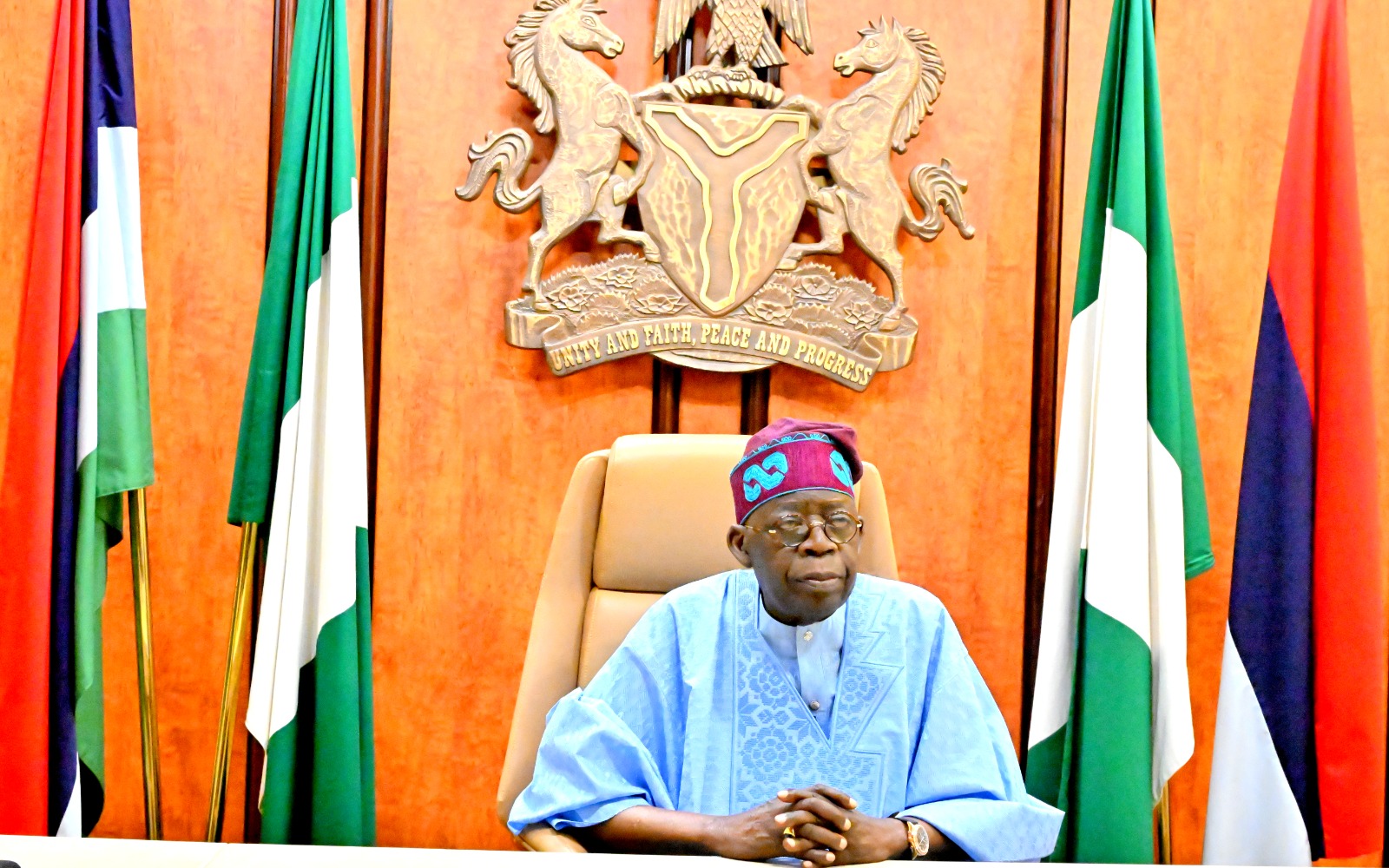
Faced with growing public frustration, the Federal Government under President Bola Ahmed Tinubu moved to take the war against terrorism beyond rhetoric. Central to this effort was a comprehensive overhaul of Nigeria’s security architecture.
In October, President Tinubu reshuffled the nation’s security leadership, replacing service chiefs and initiating a broad retooling of the military and other security agencies. In early December 2025, he removed Mohammed Badaru as Minister of Defence and appointed General Christopher Musa, the immediate past Chief of Defence Staff. Musa has since taken a front-line role in coordinating counterterrorism operations.
The Office of the National Security Adviser, led by Mallam Nuhu Ribadu, also intensified operations by coordinating special units, including auxiliary forces locally referred to as Yanbaga. These efforts, officials claim, have led to the neutralisation of thousands of bandits and the rescue of numerous captives.
Both kinetic and non-kinetic strategies—ranging from military offensives to dialogue and intelligence-led policing—are now being deployed across the country.
International Attention and Controversy
Nigeria’s worsening security situation inevitably attracted international scrutiny. The United States and Israel, among others, expressed concern, with some leaders framing the violence in religious terms.
In late 2025, U.S. President Donald Trump publicly accused Nigeria of failing to halt what he described as a “genocide of Christians.” He designated Nigeria a “country of particular concern” and warned of possible military intervention if the killings continued.
The Nigerian government strongly rejected the genocide label, insisting that victims of the violence cut across religious and ethnic lines. To de-escalate tensions, Abuja dispatched a technical delegation led by Ribadu to Washington on November 20, seeking to clarify Nigeria’s position and security efforts. The engagement reportedly fostered better mutual understanding.
Christmas Day Strikes
That understanding took a dramatic turn on Christmas Day. In coordination with Nigerian authorities, the U.S. military conducted airstrikes in Sokoto State, targeting militants accused of mass killings. According to reports by The New Humanitarian, the strikes killed at least 155 fighters linked to the Lakurawa group, with over 200 others reported missing.
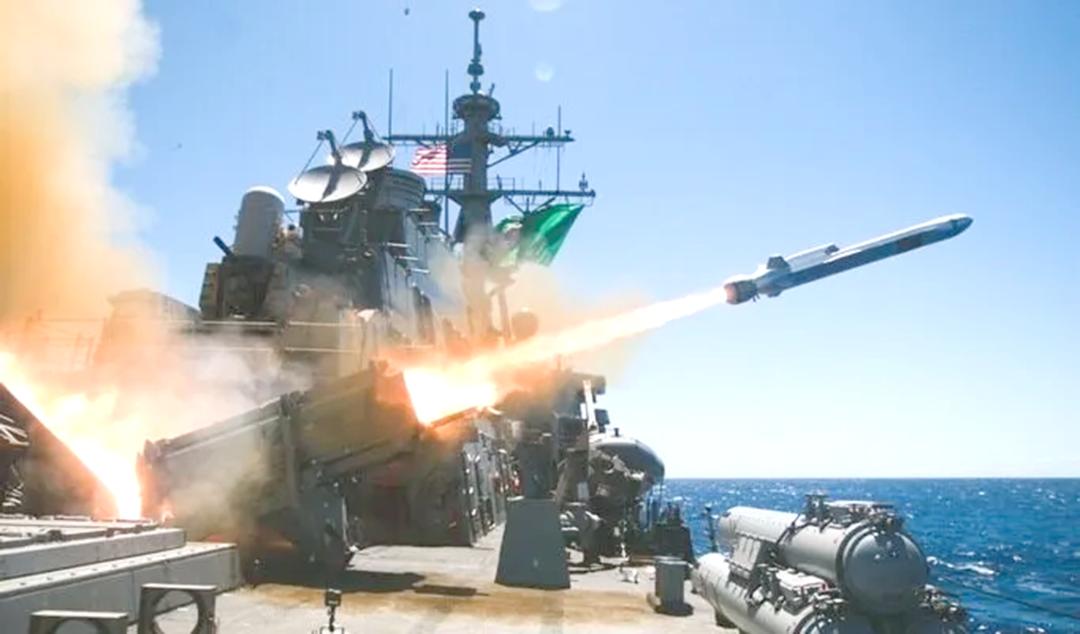
The operation allegedly involved Tomahawk missiles launched from a U.S. naval destroyer stationed in the Gulf of Guinea. Targets included areas in Isa—home base of notorious militant Bello Turji—as well as Tangaza and Tambuwal. Of these, Tangaza is widely considered a core Lakurawa stronghold.
Sources indicated that the strikes followed a deadly pattern: an initial missile strike killed about 30 fighters; as survivors gathered to assess damage and assist the wounded, a second missile hit, inflicting further casualties.
While the U.S. Defence Secretary hinted at additional actions, Nigeria’s Ministry of Foreign Affairs emphasised that the operation was guided by the principle of protecting civilian lives, regardless of religion or ethnicity.
The Defence Minister later explained that the collaboration primarily provides Nigeria with advanced satellite surveillance and real-time intelligence, enabling precision strikes. According to him, U.S. support is limited to threats beyond Nigeria’s immediate operational reach.
“Lakurawa is a new and evolving threat,” he said. “We are addressing established threats while ensuring emerging ones do not grow unchecked. Nigerians should be assured that better days lie ahead.”
Much Ado About Lobbying
As military cooperation deepened, controversy erupted over Nigeria’s engagement of lobbyists in the United States to counter the genocide narrative.
A Kaduna-based law firm, Aster Legal, reportedly retained the U.S. public affairs firm DCI Group on behalf of the National Security Adviser. The December 17 agreement authorises the firm to brief U.S. officials on Nigeria’s security efforts and to encourage continued American support.
The cost—$750,000 per month for an initial six months, totalling $4.5 million—sparked outrage. Opposition parties, including the PDP, ADC, LP, and NNPP, condemned the arrangement as wasteful and morally questionable.
ADC spokesperson Bolaji Abdullahi described it as a “misplaced priority,” arguing that no amount of paid lobbying could mask government failure to protect lives.
The ruling APC, however, defended the move. Its Lagos State spokesperson, Seyi Oladejo, insisted that professional lobbying is standard global practice and accused critics of ignorance or deliberate misinformation.
Other Fronts, Same War
The U.S. partnership represents only one strand of Nigeria’s security strategy. Across the country, joint police, military, and paramilitary operations continue to target criminal enclaves. Ground troops, naval units, and air assets are now routinely deployed, with helicopters and fighter aircraft frequently seen over theatres of operation.
Leave a Reply