

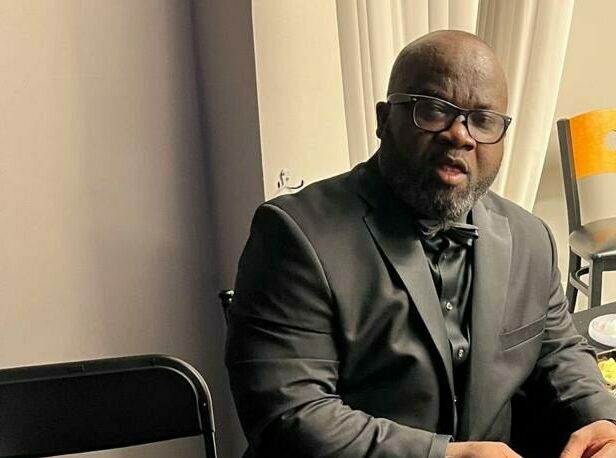
* Liberia: President Boakai’s Private Sector Development, Through Fayiah George Korfeh Example
Fayiah George Korleh is a Liberian who has excelled in the US in critical government positions.He worked meritoriously in the US CIA for six years and later in the FBI for nine years. He retired in May 2025 and decided to develop his country of origin, Liberia, in the private sector.
In this interview with Abubakar Hashim, Fayiah spoke on why he is passionate about investing in Liberia’s development, in line with President Boakai’s dream to empower Liberia in the private sector.
How are you in line with the President’s vision to put Liberians in charge of the economy in Liberia?
I am very much in agreement with the President’s vision of putting Liberia’s economy in the hands of Liberians. I will go further by asking the President to establish a Citizens’ Economic Council. We will be working in the open, so anyone could engage with its deliberations and input to its debates, where the task of the council would be to explore the deeper strengths and weaknesses of our economy, to develop core design principles for a resilient human warfare economy, and to assess a set of ideas which might help to create that economy by 2029.
What is the present situation of the Liberian business sector in Liberia?
The business sector over the years has been faced with significant challenges, primarily driven by poor physical infrastructure (unreliable electricity, limited paved roads, lack of security), high operational costs, and widespread corruption. However, under the current leadership, the Liberian business sector is currently undergoing a strategic transformation. With the president’s Arrest Agenda, the administration is shifting focus from international aid toward self-sustaining private investment. We, the investors, hope and pray that this administration will address the inconsistency, overlapping tax policies, a weak judiciary for contract enforcement, and limited access to finance that further hinders growth, particularly for small and medium-sized businesses.
What is the present business sector in Liberia?
Liberia’s business landscape is characterized by a growing economy with opportunities for investment and development. The country’s economy is significantly dependent on natural resources, foreign aid, and foreign direct investment. The key sectors are mining, agriculture, and infrastructure development, with potential for growth in the energy and tourism sectors. However, challenges such as limited access to capital, inadequate infrastructure, and a complex regulatory environment hinder business operations. This current leadership under President Joseph Nyuma Boakai is working to improve the investment climate, streamline business registration, create a clear and helpful corridor for the private sector, create a better environment for the small and medium enterprises, and promote foreign investment.
How do you see and assess the Liberian business sector?
Liberia’s economy is diverse, with strong sectors in agriculture, mining, and services. The government is prioritizing growth through infrastructure investment and support for local businesses. The country is attracting foreign investment with policies that offer tax breaks and protections for both locals and foreigners. Liberia has a favorable business environment with low cost of labor and access to regional markets. Despite the challenges we face as investors or small and medium business owners, Liberia has made strides in improving the business climate by implementing reforms aimed at enhancing transparency and reducing bureaucratic hurdles. The government is also undertaking initiatives to improve infrastructure, reduce corruption, establish more predictable business policies, and improve the investment climate. The business sector in Liberia is optimistic about the future, believing that improvements are on the horizon. The World Bank’s recent updates highlight the need for unlocking employment potential, enabling firm growth, and addressing spatial and sectoral concentration. This administration’s focus on infrastructure development, natural resources, digital transformation, and the youth demographic is seen as a strategic pillar of economic growth. We strongly believe that these trends are expected to create a conducive environment for businesses to grow and contribute to the nation’s economic progress.
Leave a Reply