

By Nehru Odeh
The Odi community in Bayelsa State is set to host the 69th edition of its annual Odi Ogori Ba Uge Festival, scheduled to hold from July 27 to August 2, 2025. This was disclosed at a pre-festival media and marketing luncheon held in Lagos, where organisers outlined plans for an expanded celebration that will blend culture, tourism, entertainment, and heritage preservation.
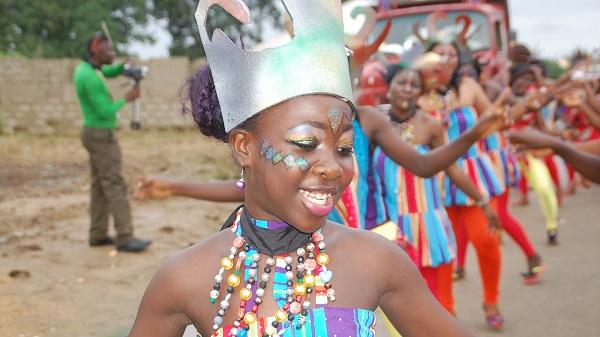
The Odi Ogori Ba Uge Festival, translated as the “Festival of Victory over a Buffalo in Odi,” commemorates the historic event of July 27, 1957, when residents united to kill a mysterious buffalo that had terrorised the community. What began as a thanksgiving ceremony has grown into a major cultural carnival that attracts indigenes, tourists, and culture enthusiasts from across Nigeria and beyond.
With an expected attendance of more than 100,000 visitors, next year’s edition will feature its signature attractions, including the Boat Regatta, Love Boat cruise, War Boat display, traditional wrestling, masquerade performances, and a rich offering of Ijaw cuisine. Organisers say the 2026 celebration will emphasise spectacle, creativity, and an immersive cultural experience.
Mr Isaac Moses, co-founder of Goge Africa and anchor of the event, while providing historical context, narrated how the people of Odi killed the mysterious buffalo, describing them as resilient, peaceful, and fun-loving.
“This community was tormented by the buffalo, which made them unhappy and distressed. But because of the kind of people they are, they organised themselves, formed a strong front, and confronted the challenge. Eventually, they killed the buffalo. It became a celebration of victory — a celebration of their resilience and togetherness. Since then, it has become an integral part of the tradition of the Odi community in Bayelsa State,” he said.
Festival consultant, Israel Eboh, described the annual event as a vibrant showcase of the Niger Delta’s aquatic culture. He noted that elements such as the Love Boat — famous for its blend of music, dance, and culinary delights — continue to generate high anticipation each year.
He added that the War Boat display symbolises Odi’s historical strength and communal bravery, while plans are underway to expand the beachfront to accommodate a growing audience.
Eboh also hinted at increased global visibility for the festival through live streaming, celebrity engagements, and enhanced digital engagement, which he said would help amplify the festival’s message of unity and resilience.
The Director-General of the Nigerian Tourism Development Authority (NTDA), Olayiwola Awakan, stressed the importance of cultural preservation and tourism as key drivers of national development.
He urged Nigerians to take ownership of their cultural narratives. “Let’s tell our story. Nobody will do it for us,” he said, encouraging stronger collaboration between public and private stakeholders to elevate festivals such as Odi’s.
Awakan described tourism as one of the country’s most sustainable economic assets, noting its long-term potential for job creation and youth engagement. He called for a repackaging of the Odi festival to strengthen its appeal to younger generations.
Chairman of the Festival Planning Committee, Ebi Udisi, described the Odi Ogori Ba Uge Festival as a people-driven celebration that has endured for nearly seven decades due to communal ownership and unity of purpose.
He explained that hosting the pre-festival engagement in Lagos was strategic and aimed at attracting corporate partners and sponsors.
According to him, digital platforms will play a central role in widening the festival’s reach in 2026. “We want to make it even more global. The festival tells the story of our people — their resilience, their victory, and their unity,” Udisi said.
He appealed for partnerships that would help transform the festival into a world-class tourism brand while preserving Ijaw culture for future generations.
Beyond its cultural significance, the festival also serves as a homecoming for the Ijaw people, fostering peace, reconciliation, and economic activity within the Niger Delta. Odi’s history of resilience, especially following the 1999 military invasion, adds deeper meaning to the annual celebration. Organisers say the official theme for the 2026 edition will be announced early next year.


Leave a Reply