

By Kayode Adebiyi
Festus Adedayo @Festus Adedayo has a gift for wrapping political commentary in folklore, but once you strip away the colourful language, his argument follows a familiar formula. Stretch a metaphor until it groans, pile unrelated events together, then declare the country finished. The writing is lovely. The reasoning isn’t.
Let’s set the imagery aside and look at the substance.
His core point is that the President is overwhelmed, dishonest and presiding over a collapsing state. It sounds dramatic, but drama is not proof.
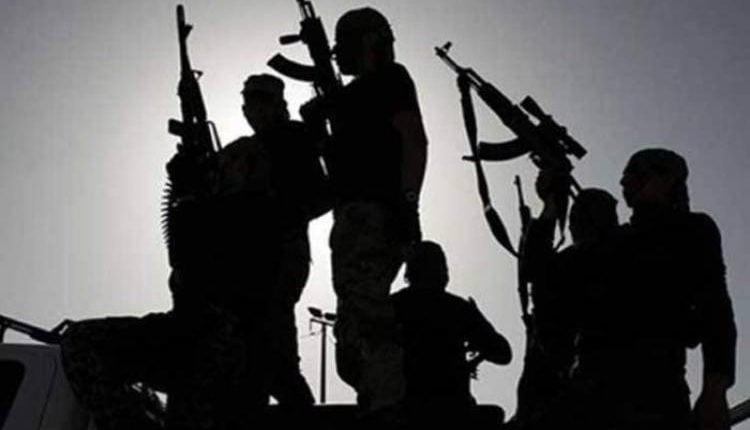
Nigeria’s security problems didn’t spring up in 2023. They grew out of two decades of porous borders, rural collapse, unchecked banditry and an overstretched military. It’s a hard truth, but a necessary one. Lasting solutions start with honesty about how long this crisis has been building.
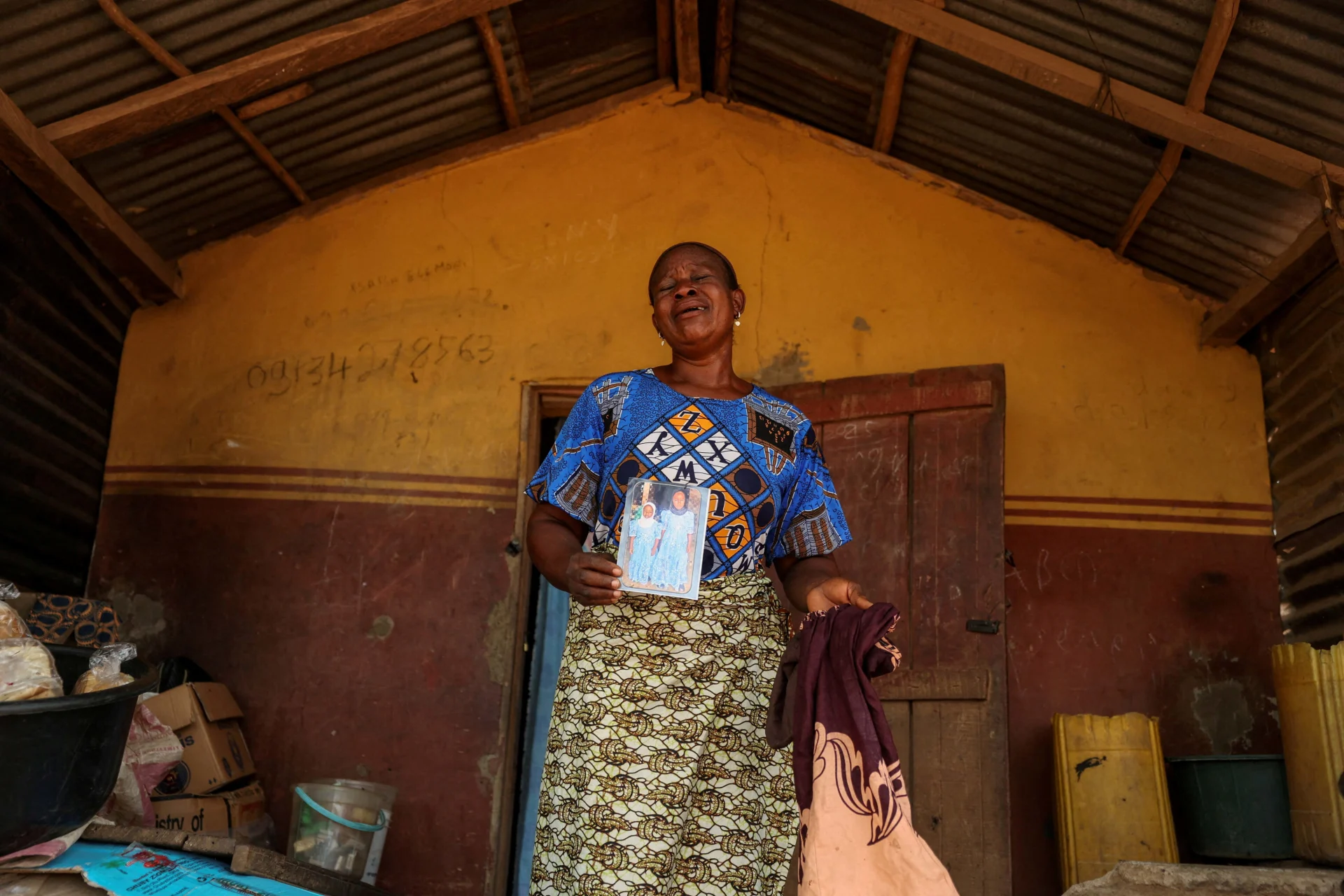
Take the recent rescues. Adedayo treats the release of abducted students and worshippers as evidence of weakness. That’s an easy position for someone who has never faced a grieving family or weighed the consequences of a failed military raid
Anyone who remembers Chibok knows that chest-thumping in hostage situations can end in tragedy. Serious military experts say the same thing: hostage rescue is not a movie. It is calculation, psychology and timing.
Even nations with stronger militaries than ours have negotiated to save lives: Israel in 2011, the US in Afghanistan, Britain in Iraq. Pragmatism is not surrender.
But even that misses the wider picture. The insecurity story today includes the largest military recruitment drive in years, reopened forward operating bases, dismantled bandit camps in the Northeast and North Central and new reliance on drones and satellite surveillance. These steps don’t remove the country’s pain, but they show a government trying to build capacity, not hide from the problem.
Adedayo warns that negotiation emboldens terrorists. Sometimes it does. Sometimes pressure, intelligence and denial of resources break them instead. Look at Ansaru. They didn’t collapse because of grand speeches. They fell apart under focused military pressure, internal sabotage and steady intelligence work.
Banditry endures in Nigeria not because the government negotiates, but because entire regions were left to poverty, illegal mining and lawless borders for years. Fixing that is structural work, not folklore.
He also mocks the President’s approval of state police systems. Yet this is something Nigeria has debated since the 1960s and no administration wanted to touch. Now the door is finally open. Reform is rarely tidy, and critics often laugh at progress simply because it looks imperfect at the start.
Then comes the selective memory. Adedayo leans on Obasanjo’s moral authority but ignores the long list of crises under his watch: Sharia riots, Odi, Zaki Biam, religious violence, the rise of the Niger Delta militancy and the assassination of his Attorney General in broad daylight, despite police protection. Nobody was ever held accountable. Leadership comes with scars, no matter who sits in the chair.
Adedayo ends by saying Nigerians can seek help from world leaders. True. But he leaves out the fact that this administration has repaired diplomatic ties damaged over the last decade, resolved tension with Washington and led ECOWAS with a steadier hand. Quiet diplomacy doesn’t trend on social media, but it matters.
Nigeria is not a folktale or a poetic metaphor. It’s a wounded country trying to recover. What we need isn’t a chorus of despair that treats every policy as disaster, but clear, honest critique that also recognises progress where it exists.
Tinubu doesn’t need to “come home” to a mythical family meeting. What he needs is pressure to deliver, cooperation from stakeholders across board and a national conversation grounded in fact, not fables.
We can argue about policy. We should demand better. But we must stop turning insecurity into a one-man morality play. This is a long, messy fight, with victories that rarely trend and losses that always do.
Nigeria deserves criticism that sharpens, not despair dressed as poetry.
Selah!

Leave a Reply