

By Nehru Odeh
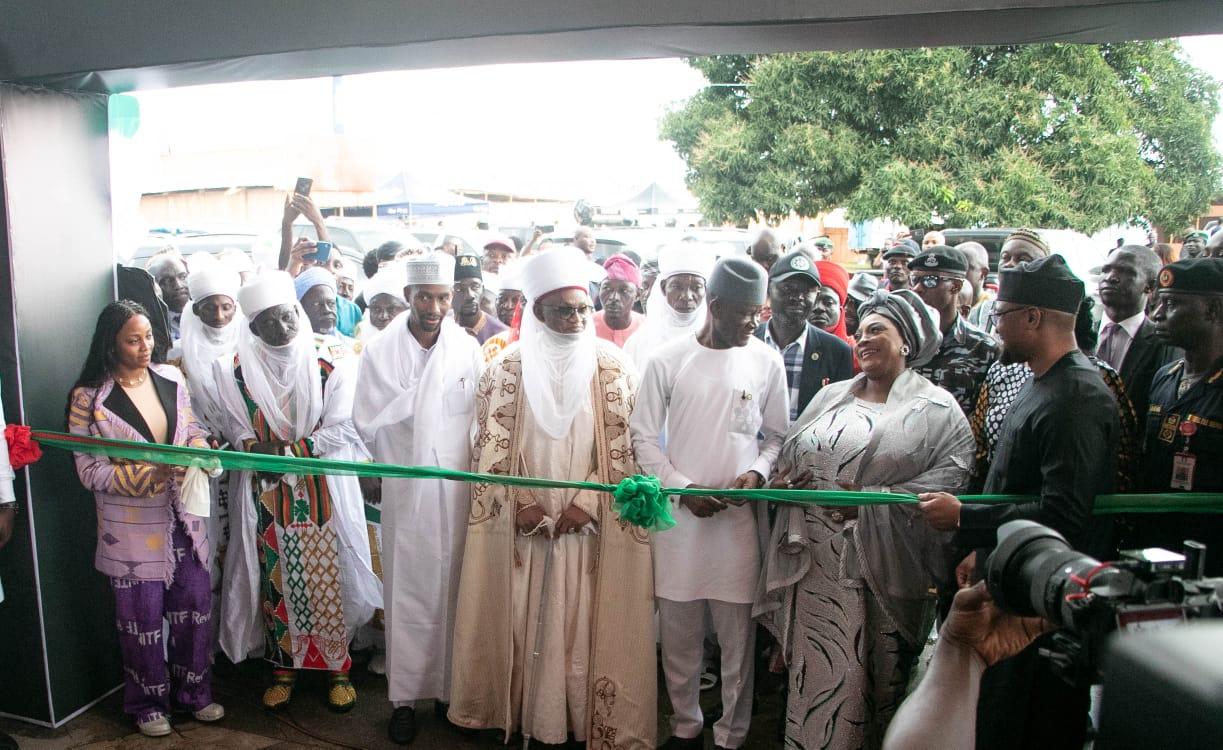
The ongoing 2025 Nigeria International Trade Fair is indeed one with a difference. Billed to last until November 30, it opened at the Lagos International Trade Fair Complex on November 21 with a renewed commitment to strengthening Nigeria’s role in regional and international commerce.
Organized by the Lagos International Trade Fair Complex Management Board (LITFCMB), the ceremony brought together government leaders, investors, industry executives, and private-sector partners to mark the official commencement of this year’s exhibition, held under the theme, “Trade, Technology and Transformation: Leveraging Digital Trade for Economic and Industrial Growth.”
Still, the remarkable thing about this year’s event is that Nigeria is witnessing an evolution in terms of trade and expanding its possibilities. For decades now, the commercial and industrial trade fair has evolved and has now become a global marketplace. This rebranding is a testament to Nigeria’s openness to trade, innovation, and transformation.
This year’s theme, “Trade, Transformation and Technology: Digital Trade for Economic and Industrial Growth,” positions Nigeria as a strategic platform, particularly for small and medium-scale businesses, and as a forward-thinking country for investment at large.
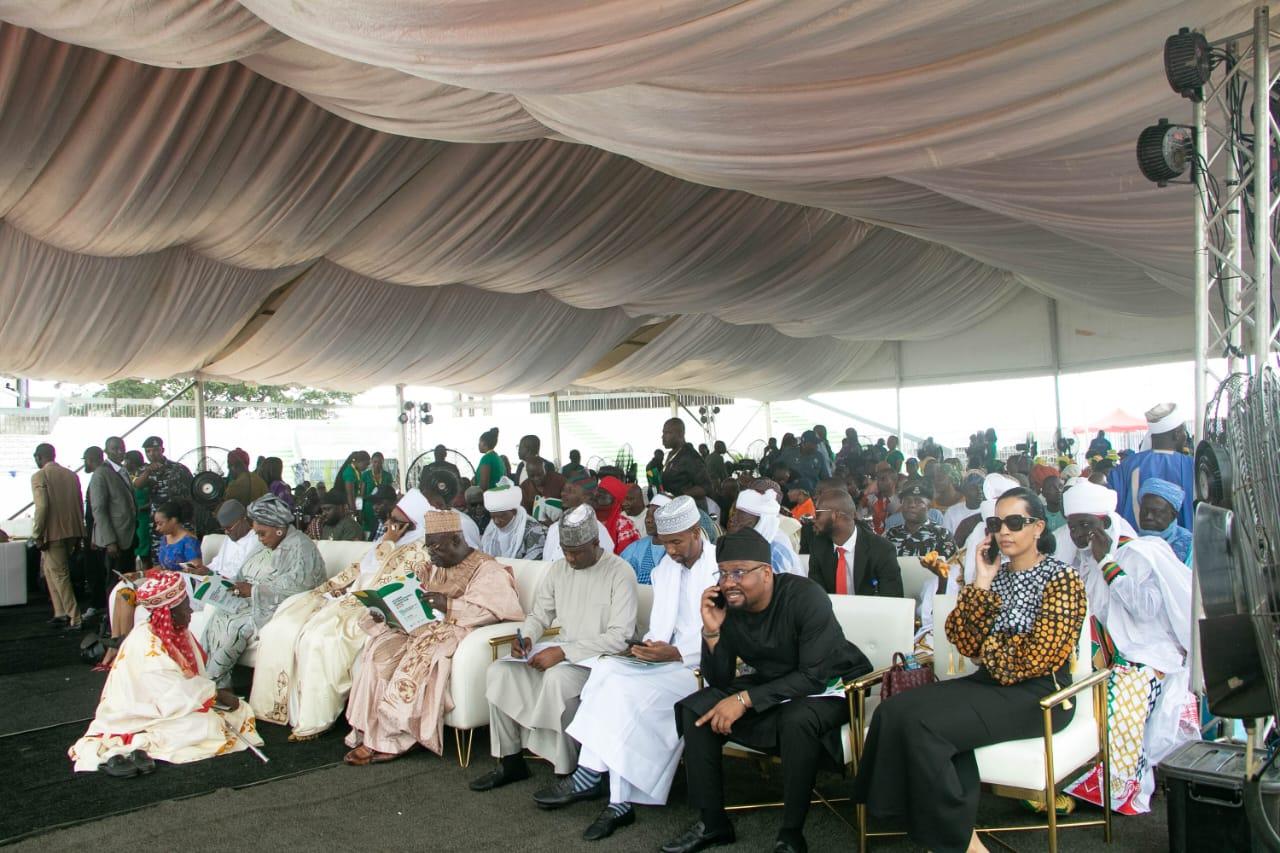
The 2025 edition is even more symbolic. Coming off the global recognition of Nigeria as the Digital Trade Champion, the fair highlighted how innovation and digital solutions are redefining commerce, industry, and collaboration. This signals not only Nigeria’s leadership in Africa’s digital economy but also its growing influence on the global stage.
It is also instructive to note that this year’s event is historic in the sense that after being known as the Commercial and Industrial Trade Fair (CITF) for the past 17 years, it has now transformed with the launch of the Nigeria International Trade Fair 2025. Thus, it is not just another gathering; it is a statement of Nigeria’s readiness to lead in digital trade, build stronger industries, and shape the future of commerce in Africa and beyond.
Notable personalities present at the opening ceremony included the Minister of Industry, Trade and Investment, Dr. Jumoke Oduwole; the Minister of State for Industry, Sen. John Owan Eno; the Executive Director of LITFCMB, Barr. Vera Safiya Ndanus; the Permanent Secretary of the Ministry of Trade and Investment, Amb. Nura Abba Rimi; and the DG of SMEDAN (Small and Medium Enterprises Development Agency of Nigeria), Charles Odii.
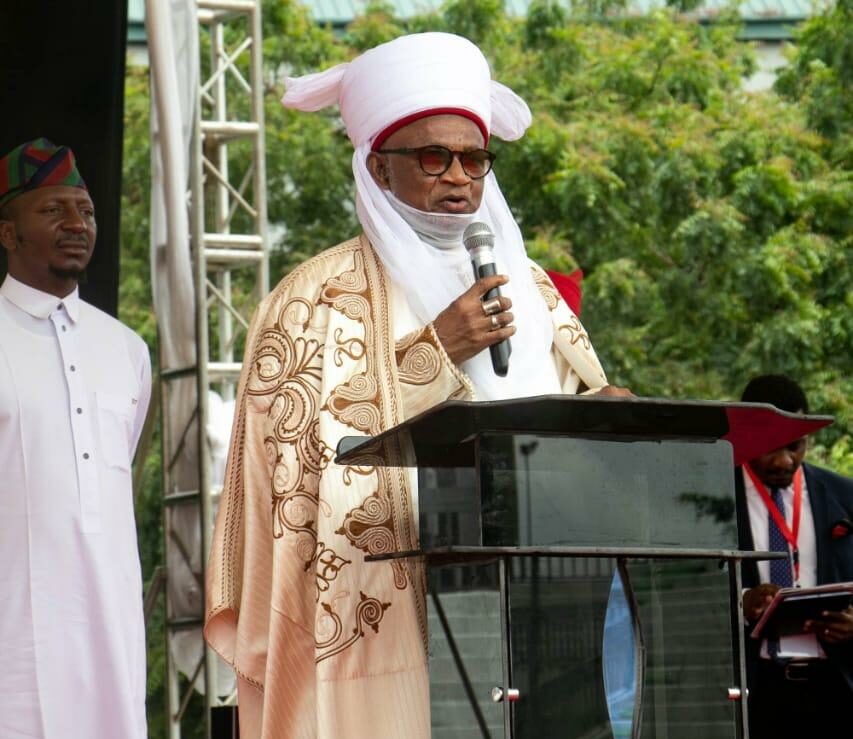
Others were the MD of Tafawa Balewa Square, Mrs. Lucia Shittu; and the Royal Father of the Day, His Royal Highness Gen. Yahaya Abubakar (Etsu Nupe), among many others. Their participation underscored the national relevance of the fair as a platform for investment, business expansion, and state-level collaboration.
In her opening remarks, the Executive Director of LITFCMB, Barr. Vera Safiya Ndanusa, reaffirmed the Board’s statutory mandate to organise trade fairs across Nigeria and its renewed focus on restoring the Complex as a functional, nationally relevant centre for business. She emphasized that the fairground is being repositioned to support enterprise growth, investment inflow, and wider participation across sectors.
“Our goal is to create and sustain an environment where trade thrives, businesses can scale, and investment can flow freely,” she said. “A truly vibrant trade ecosystem must be inclusive, and inclusivity begins with access.
“We intend to make the fairground a primary entry point for African trade—a marketplace where producers and buyers from across the continent meet; a logistics hub connected to regional value chains; a centre for cross-border SME activity; and a launchpad for Nigerian businesses looking to expand beyond our borders. To achieve this, we are intentionally expanding access to markets physically, economically, and digitally.
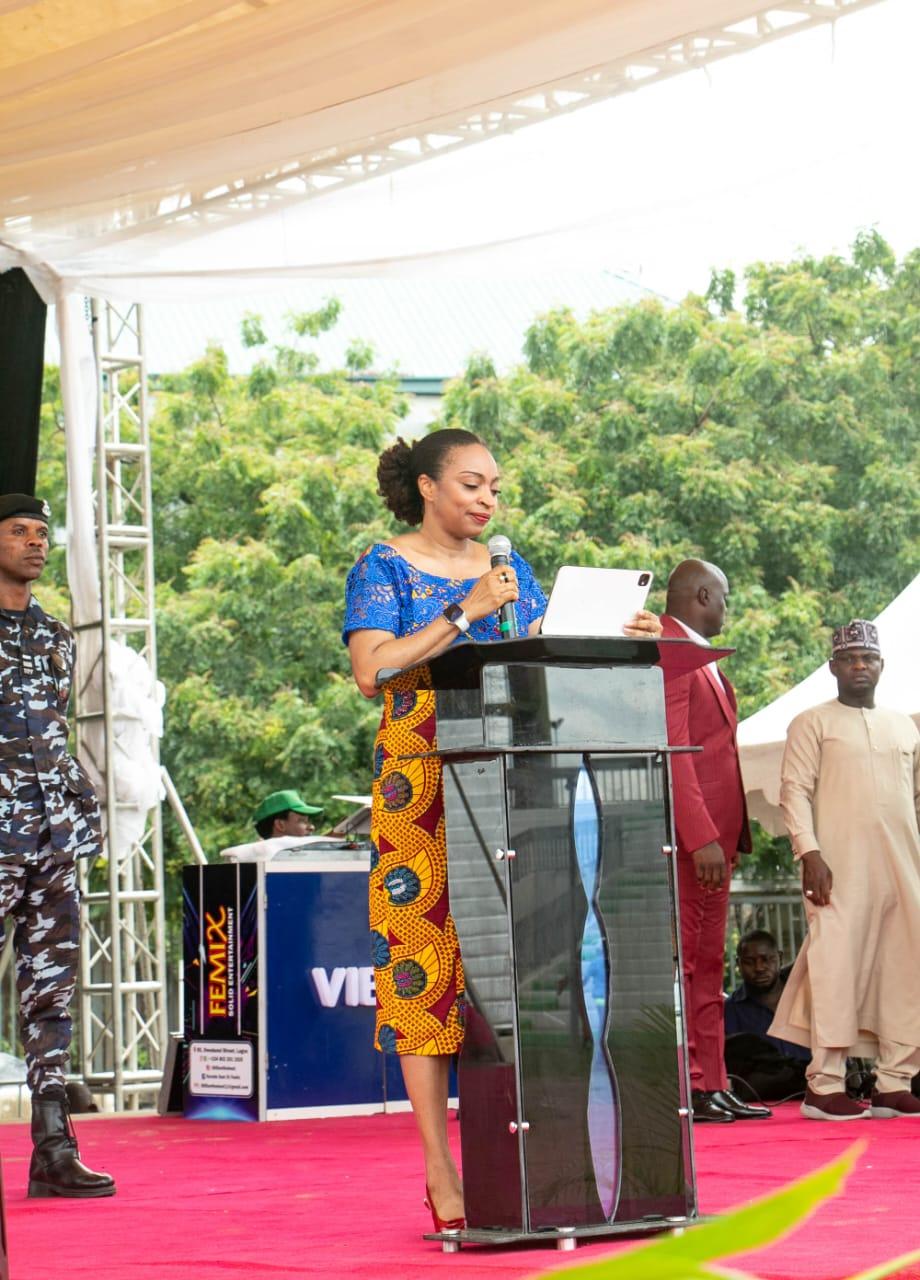
“We are working to make participation more affordable for SMEs, women-led enterprises, and young entrepreneurs. We are improving mobility within and around the complex. A truly vibrant trade ecosystem must be inclusive, and inclusivity begins with access,” Ndanusa said.
The Minister of Industry, Trade and Investment, Dr. Jumoke Oduwole, reinforced the fair’s importance in the current economic landscape, noting that the platform continues to shape the direction of trade and business nationwide.
“This trade fair and this physical space continue to shape the future of trade and business in Nigeria, especially at a time where global uncertainty, ongoing economic reforms, and an evolving business climate demand resilience and partnership,” she stated, adding that the trade fair is more than an exhibition; it is a testament to the resilience of our economy and a reminder that even in challenging times, our commitment to growth, collaboration, and partnership remains unbreakable.
“We warmly welcome our international partners. This year, during our visit to several African and global trade fairs, we observed a strong and growing interest in partnering with Nigerian products and enterprises. Nigeria stands ready to serve as a regional market leader and an accessible gateway to West Africa and the African continent as a whole.
“We invite you to explore the opportunities here and deepen your partnership. Let us seize this moment to collaborate, strengthen our economy, expand our markets, and chart a brighter, more prosperous future for our continent.
“We will deepen regional engagement, strengthen collaboration, and showcase the very best of African enterprise. We continue to shape a Nigeria that is more connected, more competitive, and more competent,” Oduwole maintained.
This year’s edition was supported by strong public- and private-sector partnerships, including the Lagos State Government, Imo State Government, Oyo State Government, Niger State Government, the Federal Ministry of Industry, Trade and Investment, the Corporate Affairs Commission, and the Nigeria Export Processing Zones Authority.
Others are the Nigerian Ports Authority, the Nigerian Export Promotion Council, and the Oil & Gas Free Zones Authority Nigeria. Corporate partners powering the fair include First Bank, The Alternative Bank, Tolaram, Dufil, CCECC, Minimie, Munch It, Wazobia TV, Wazobia FM, Kellogg’s, Lagride, Lush Hair, Indomie, Power Oil, Colgate, Guinness, Fan Milk, Auto Spare Parts and Machinery, Choice2Mobile Technology, and Perfect Trust, among others.
The Nigeria International Trade Fair, which ran from November 21 to 30 at the Lagos International Trade Fair Complex, welcomed over 4,000 attendees and more than 50 exhibitions, product showcases, and business engagements designed to promote investment, strengthen value chains, and support SMEs and large enterprises operating within and beyond Nigeria.
About Nigeria International Trade Fair 2025 (NITF)
Founded in 1981, the Nigeria International Trade Fair (NITF) is Nigeria’s flagship national trade platform, connecting local and international participants to catalyse commerce across ECOWAS and beyond. Organized by the Lagos International Trade Fair Complex Management Board under the Federal Ministry of Industry, Trade and Investment, NITF convenes businesses, policymakers, investors, and innovators from Nigeria, ECOWAS, and global markets. Its mission is to catalyse exports, investment, and industrial growth through a credible show and year-round engagement.


Leave a Reply